From the file. Written for the paper dated January 1972. Opened in the public stacks July 14, 2026.
As the United States grapples with a rapidly aging population, the conversation often sways between alarmism and optimism, with both sides wielding statistics that can mislead more than inform.
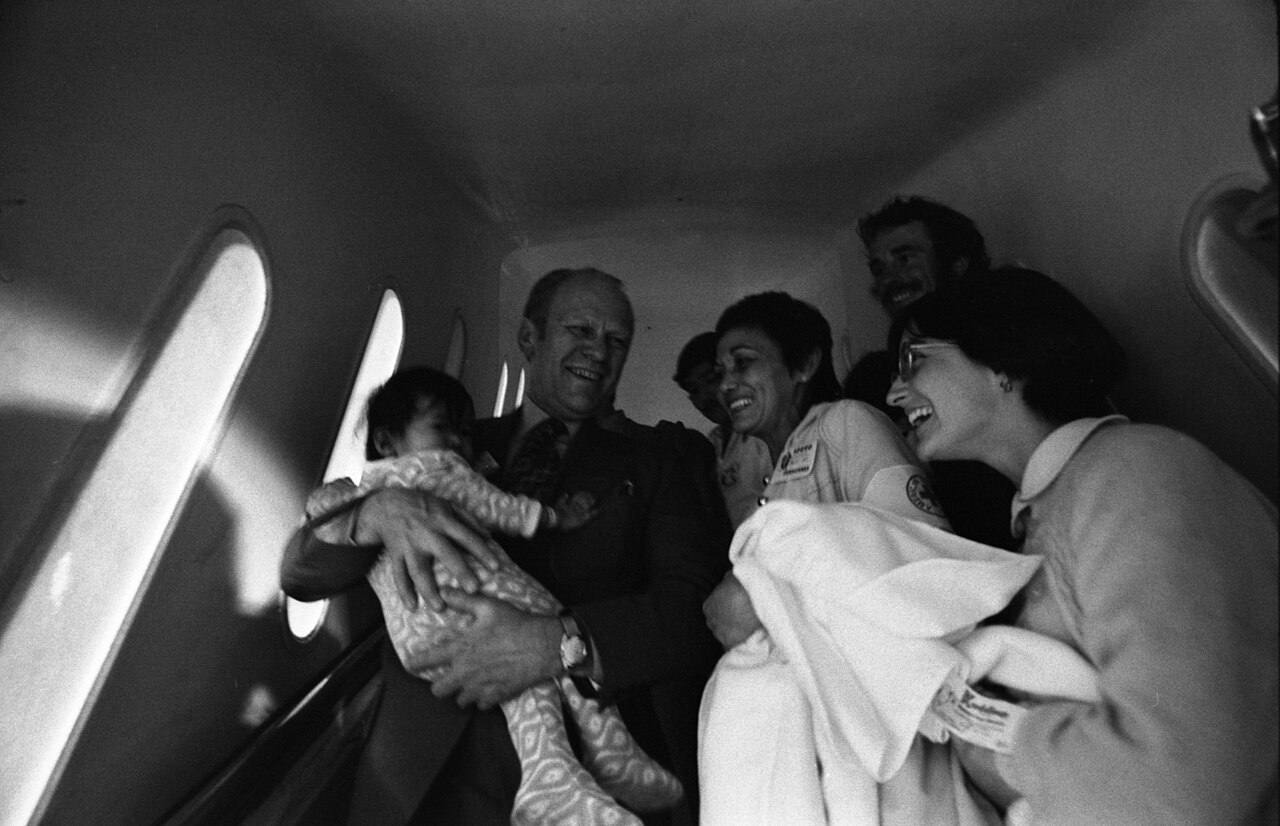
Demographic Changes Unveiled
The latest figures from the Census Bureau suggest that by 1980, there will be more than 20 million Americans aged 65 and older. This statistic has sparked a debate that seems to divide the nation into two camps: those who see the aging populace as a burden and those who regard it as an opportunity for societal enrichment. Both perspectives, however, often miss the nuance of the numbers.
“We must not view our senior citizens solely as a liability, but rather as a vital part of our community.”
It's easy to focus solely on the costs associated with healthcare, pensions, and social services that an aging population demands. Critics on the right often argue that this demographic trend will lead to an unsustainable economic burden on the younger generations. They paint a picture of future taxpayers shackled with enormous debt due to the rising costs of an elderly care system they perceive as inefficient and overextended.
Meanwhile, a chorus of voices from the left lauds the aging population as a testament to improved living conditions, medical advancements, and the triumph of social programs that have lengthened life expectancy. They argue that older Americans are invaluable resources, possessing rich life experiences and wisdom that can be of great benefit to society. This side emphasizes the need for community engagement and lifelong learning initiatives to ensure that older citizens can continue to contribute meaningfully.
The Economic Reality
However, both viewpoints tend to oversimplify the economic implications of an aging populace. Yes, healthcare costs are rising, but it’s crucial to recognize that many older adults are healthy and active participants in the workforce. In fact, a significant number of seniors are choosing to remain employed well past traditional retirement age. The narrative of the elderly as solely dependent and frail is not only inaccurate but also potentially damaging.
“We should not forget the economic contributions of our older citizens.”
It is also worth noting that the aging population is not a monolithic group. There exists a vast diversity in income, health status, and social engagement among older adults. While some may require assistance, many others are self-sufficient and continue to contribute economically, socially, and culturally. This demographic shift can be seen as a call to adapt our economic systems to better integrate older individuals into the workforce, rather than relegating them to the sidelines.
Policy Implications
The current political discourse often fails to address the need for comprehensive policies that reflect the complexity of the aging population. On one side, there is an urgent need for reform in healthcare and pension systems to ensure sustainability. On the other, we must foster an environment that encourages the active participation of seniors in the workforce and community life. This means creating flexible job opportunities that can accommodate older workers and developing programs that encourage intergenerational collaboration.
As we move forward, it is essential for both liberals and conservatives to find common ground on this issue. Instead of pitting generations against each other, we need to foster interdependence and mutual respect. The conversation must shift from alarmist rhetoric to constructive dialogue focused on solutions that benefit all ages.
Looking Ahead
The aging population is not merely a challenge to be managed; it is an opportunity to redefine the way we view age and its role in society. By embracing the potential of older Americans, we can create a more inclusive and prosperous future for everyone. It is time to discard the binary thinking that has characterized the current debate and embrace a more nuanced understanding of what an aging population can mean for our country.
In summary, the numbers reveal a complex reality that demands careful consideration and informed dialogue. Whether one leans to the right or the left, it is crucial to recognize the shared responsibility we have to create a society where all individuals, regardless of age, can thrive.
✦ ✦ ✦