From the file. Written for the paper dated December 1971. Opened in the public stacks July 14, 2026.
The issue of water contamination is quickly becoming one of the most pressing health concerns of our time. As reports of pollutants infiltrating our waterways multiply, the public is increasingly demanding clarity on this critical issue. Yet in the rush for certainty, both alarm and complacency threaten to distort the narrative.

The Environment and Public Health
The recent surge in awareness surrounding water contamination has prompted a wave of studies and reports examining its impact on public health. Chemicals from industrial waste, agricultural runoff, and even household products are finding their way into our drinking water systems. The heightened visibility of these concerns has led to widespread discussions, not only among scientists but also among policymakers and the public at large.
Alarmingly, many communities are discovering that the water they consume daily may not be as safe as previously believed. Recent investigations have uncovered traces of heavy metals, pesticides, and other hazardous substances in municipal water supplies. In response, local governments are scrambling to reassure constituents that their water is safe, yet the very act of reassurance often lacks the clarity that residents crave.
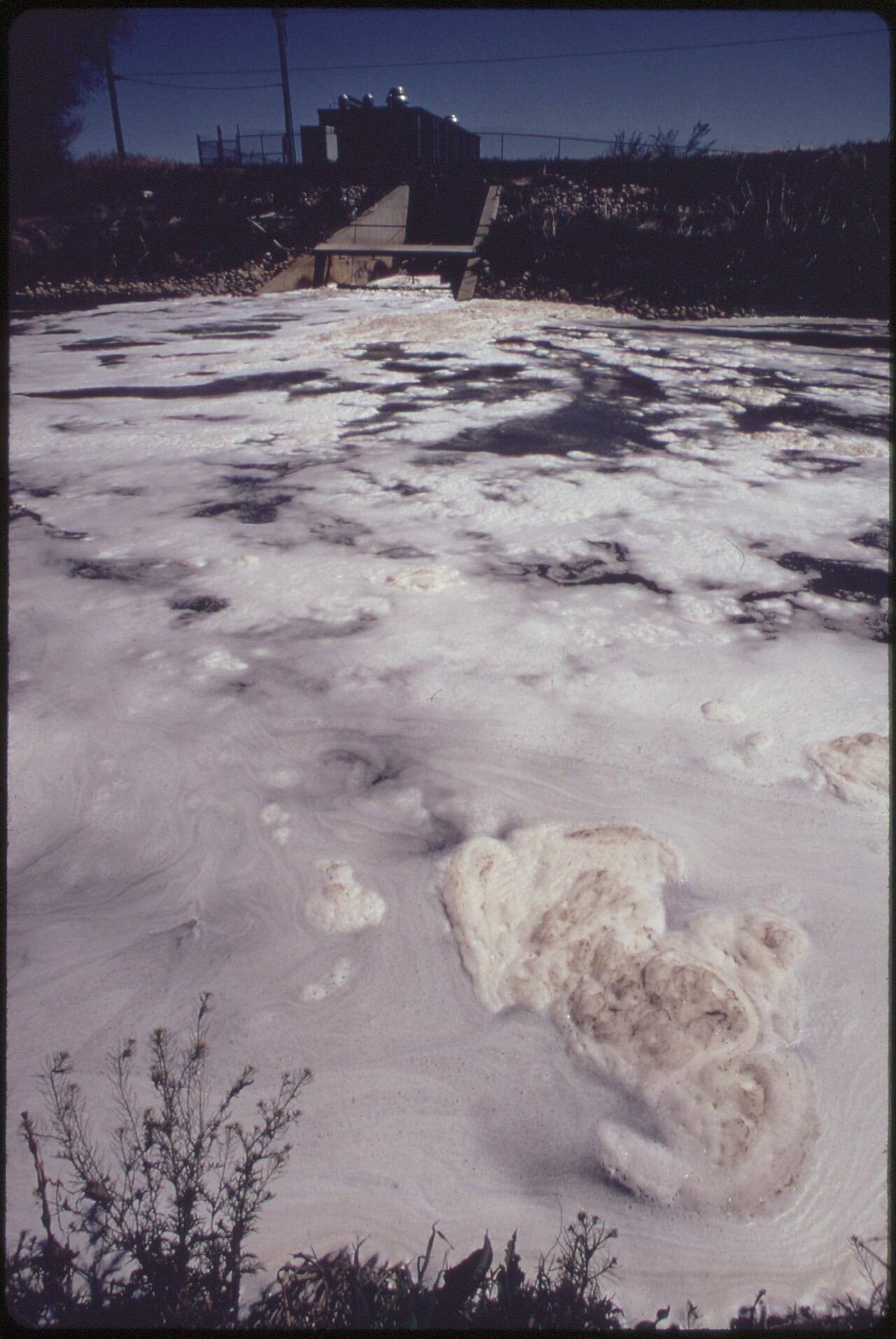
“In the rush for certainty, we risk overlooking the nuances of water safety.”
Health experts are urging caution amid the clamor for definitive answers. While it is true that some contaminants pose serious health risks, the complexity of water systems means that certainty is often elusive. The issue is further complicated by inconsistent testing methods and varying regulatory standards across states.
The Specter of Misinformation
On one hand, the left is fervently pushing for strict regulations and the immediate overhaul of existing water management practices. Environmental activists argue that the government must take a more aggressive approach to safeguard public health. This has led to calls for more stringent testing and the complete removal of harmful substances from water supplies. However, the fervor with which these changes are demanded can sometimes overshadow the scientific complexities involved.
Meanwhile, the right often downplays the severity of water contamination. Some politicians argue against excessive regulation, claiming that such measures could stifle economic growth and innovation. This narrative tends to prioritize corporate interests over public health, suggesting that existing regulations are sufficient. Such complacency can lead to dangerous oversights, leaving vulnerable populations at risk.
The divide between these perspectives has created a confusing landscape for the average citizen trying to discern the true risks associated with their water supply. The public deserves straightforward information, yet both extremes often resort to hyperbole, undermining their credibility and obscuring the facts.
The Need for Balanced Dialogue
What is needed is a balanced dialogue that recognizes the importance of both environmental protection and economic viability. It is essential to establish a middle ground where rigorous scientific inquiry informs policy decisions without succumbing to alarmism or complacency. The complexity of the issue requires input from scientists, policymakers, and the communities affected by water contamination.
Moreover, public education plays a crucial role in this conversation. It is imperative that citizens understand not only the risks posed by contaminated water but also the measures being taken to address these issues. Transparency in testing and reporting is essential to building trust between the public and regulatory bodies.
Conclusion: A Call for Clarity
As we navigate these murky waters, it is incumbent upon all stakeholders to demand clarity and accountability. The health of our communities depends on a comprehensive understanding of water safety that transcends political rhetoric. Both sides must engage in a constructive dialogue that prioritizes science, education, and the health of citizens.
In conclusion, the urgency of the water contamination issue cannot be overstated. It is not merely an environmental concern but a fundamental public health crisis that requires our collective attention. Let us strive for a future where our drinking water is a source of safety and health, not a cause for alarm.
✦ ✦ ✦