From the file. Written for the paper dated December 1971. Opened in the public stacks July 14, 2026.
As debates swirl around the issue of minimum wage, a clearer understanding emerges amidst the fog of economic theory and political posturing. The question of what constitutes a living wage has become a focal point for both activists and policymakers alike.
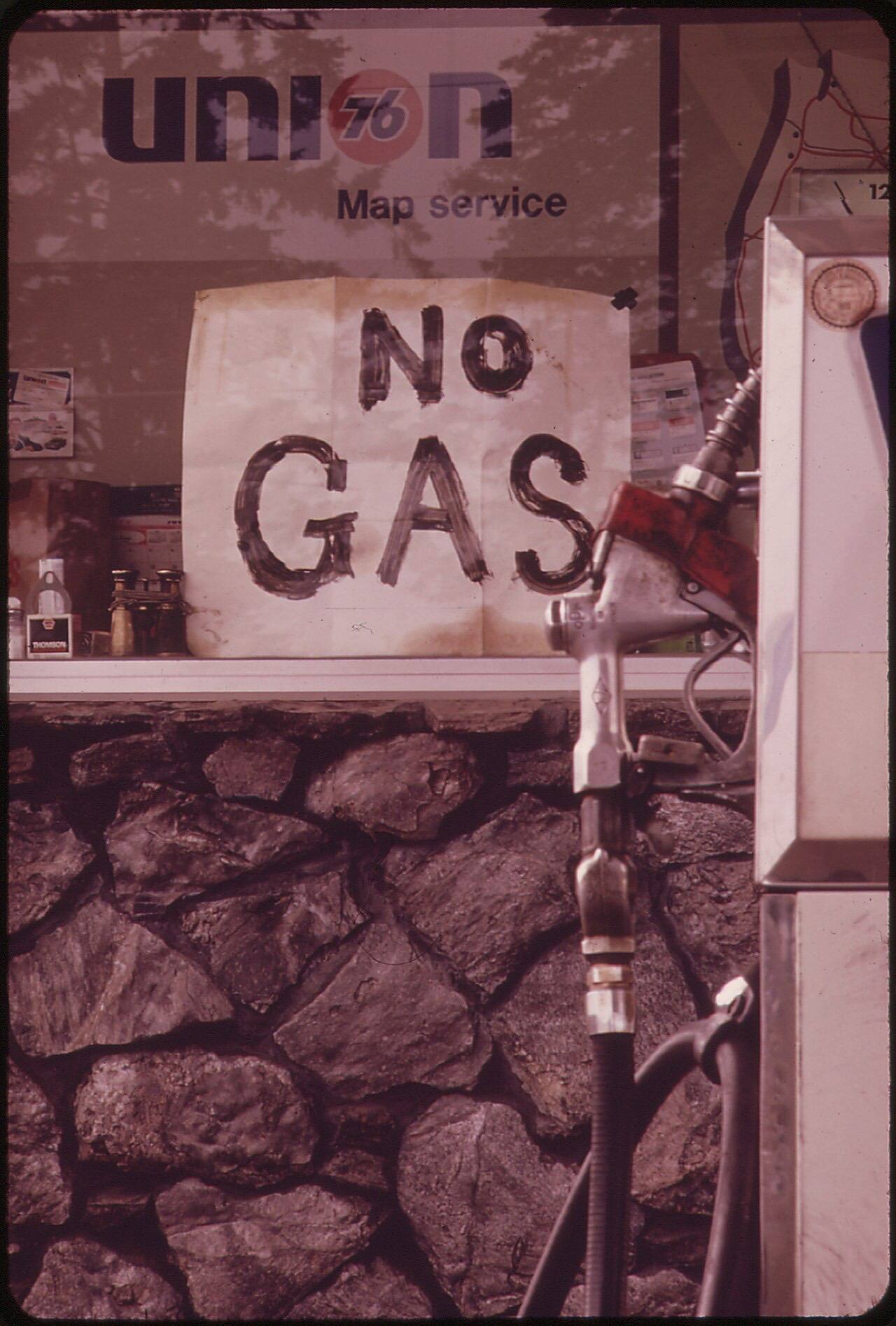
The Landscape of Minimum Wage
In recent months, the discourse surrounding minimum wage has intensified. Activists argue for a substantial increase to ensure that workers can meet basic living expenses, while businesses often counter that such increases could lead to job losses and economic strain. The reality is more complex than the polarized arguments suggest.
The federal minimum wage currently stands at $1.60, with many states setting their own rates. Some regions have adopted higher minimums in recognition of elevated living costs, particularly in urban centers. Yet, as inflation continues to rise, the purchasing power of the minimum wage erodes, drawing attention to the urgent need for reevaluation.
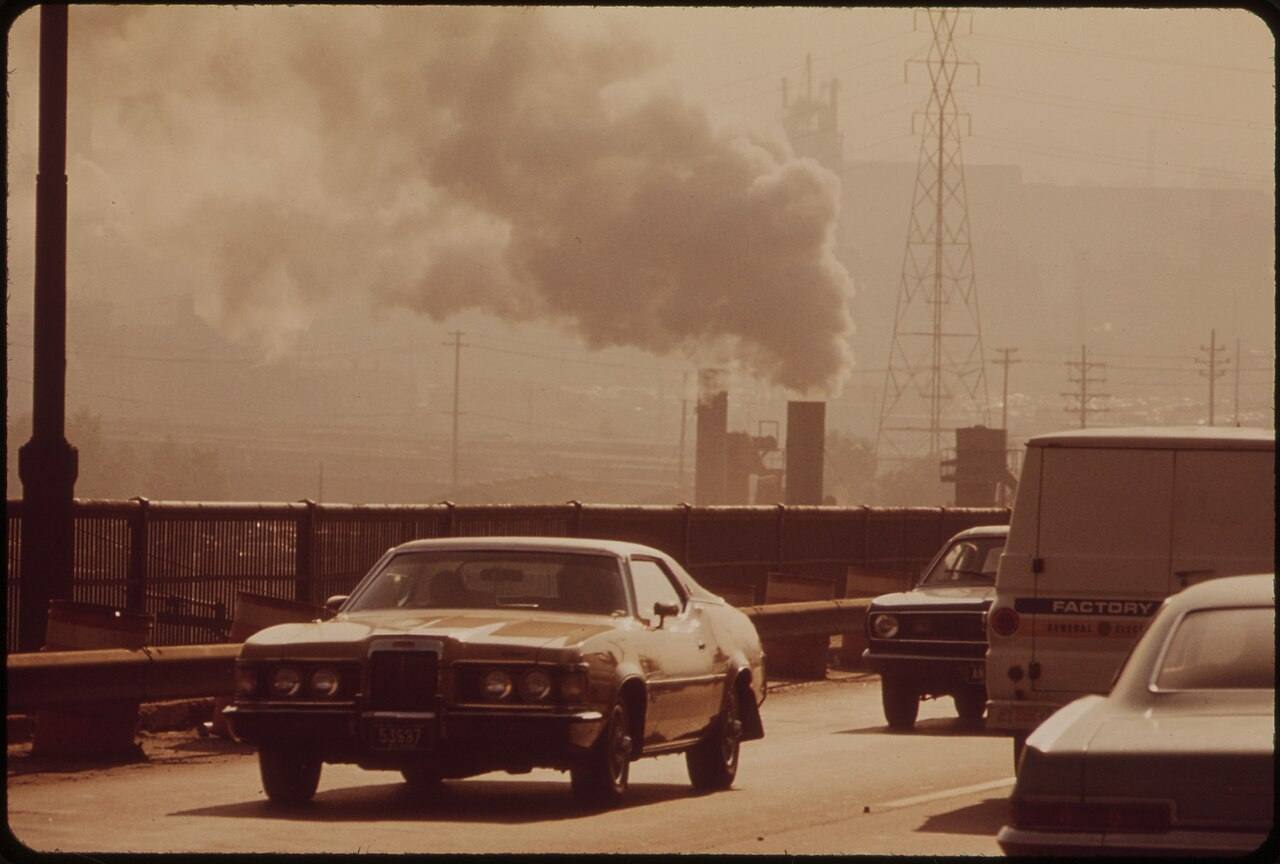
"The debate over minimum wage is not merely about dollars and cents; it's about the dignity of work and the right to a decent standard of living."
Understanding the Impact
Proponents of increasing the minimum wage argue that it would benefit not only workers but also the economy as a whole. They cite studies suggesting that raising wages can lead to increased consumer spending, as workers with more disposable income are better positioned to contribute to the economy. This perspective emphasizes the interconnectedness of labor and commerce, challenging the notion that higher wages inherently lead to job losses.
On the other hand, critics highlight the potential consequences of significant wage hikes. They warn that small businesses may struggle to absorb the increased labor costs, potentially leading to layoffs or reduced hiring. This argument resonates particularly in rural areas, where economic conditions differ markedly from urban centers and where the impact of policy decisions can be devastating.
The Politics of Minimum Wage
Political maneuvering surrounding the minimum wage has also reached a fever pitch. Democrats largely advocate for a more substantial increase, framing it as a moral imperative to ensure that all workers can earn a living wage. The rhetoric often emphasizes social justice, with leaders calling it a fight for the working class. However, this focus sometimes overlooks the diverse economic realities that different communities face.
Conversely, Republicans frequently position themselves as champions of small businesses. By advocating for a more cautious approach to wage increases, they argue that they are protecting jobs and the backbone of the economy. However, this stance can come off as insensitive to the struggles of low-wage workers, leading to accusations of prioritizing profits over people.
The Broader Economic Context
It's also essential to consider the broader economic context. Inflation is a pressing concern, with prices rising on basic goods. The cost of living has outpaced wage growth for many workers, leading to a sense of urgency around the minimum wage debate. However, addressing inflation requires more than simply increasing wages; it necessitates a comprehensive economic strategy.
Some economists advocate for a multi-faceted approach, suggesting that alongside wage increases, there should be efforts to control inflation through fiscal policies and investment in job creation. This perspective seeks to balance the needs of workers with the realities of the market.
A Call for Pragmatism
In this climate of heightened tension, it is crucial for both sides of the aisle to approach the minimum wage debate with pragmatism. While the passion for social justice is commendable, it must be tempered with an understanding of economic realities. Likewise, while protecting small businesses is vital, it should not come at the expense of basic human dignity.
The challenge lies in finding common ground - an approach that recognizes the rights of workers while also fostering economic growth. Constructive dialogue is essential as lawmakers and advocates navigate this sensitive terrain.
Conclusion
As December draws to a close, the minimum wage debate will likely remain a central issue in American politics and economics. With both sides entrenched in their positions, the question remains: can a solution be reached that reflects the needs of workers while considering the realities of the economy? Only time will tell, but the importance of this issue cannot be overstated.
✦ ✦ ✦