From the file. Written for the paper dated November 1971. Opened in the public stacks July 14, 2026.
As debates swirl around childhood nutrition, it becomes glaringly clear that both the left and right have developed a selective memory when it comes to the well-being of our nation's children. This week, we take a closer look at the various narratives that are shaping the conversation.
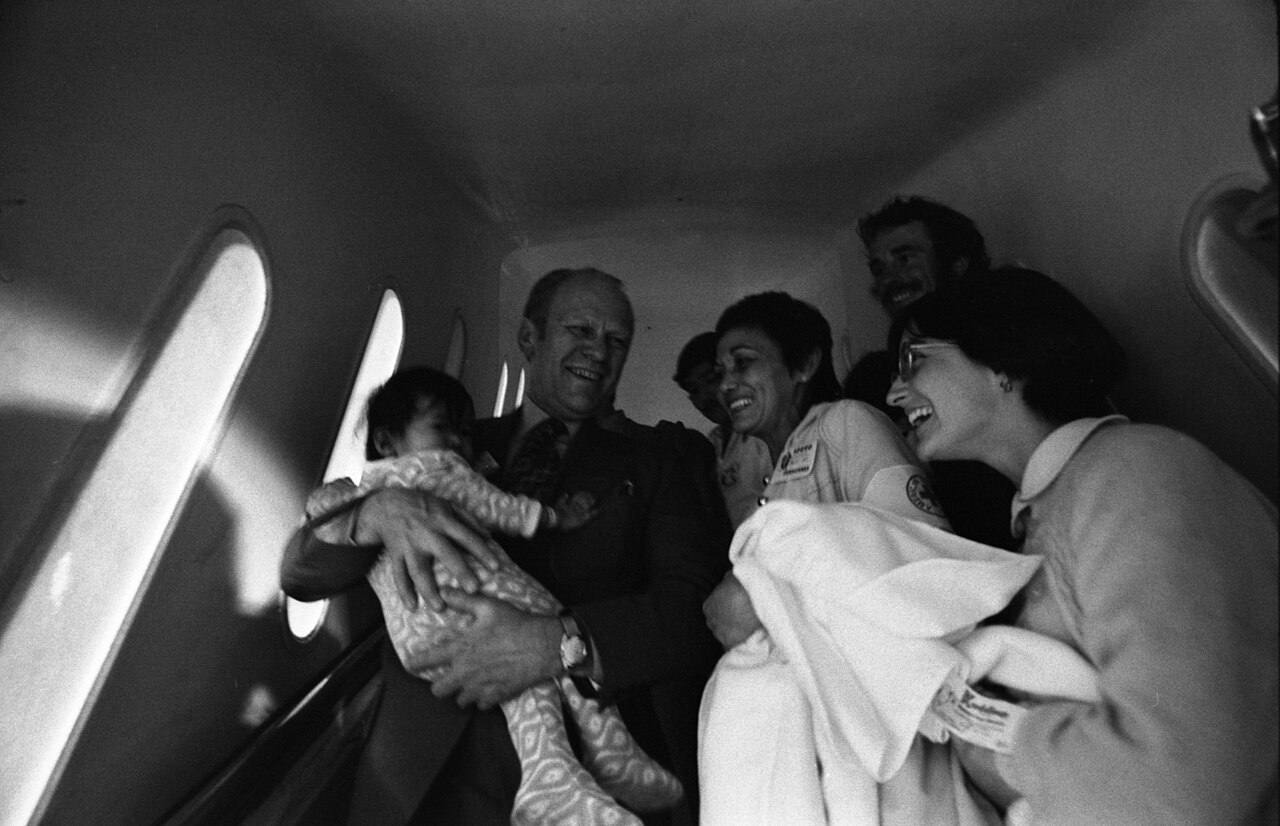
The Left's Commitment: A Balanced Diet for All
On the left, advocates push for an expansion of federal programs aimed at ensuring that every child receives adequate nutrition. Proponents of the School Lunch Program argue that it is essential in combating hunger and malnutrition among low-income families. Indeed, their intentions are noble - who could argue against feeding children? However, a closer examination reveals a troubling trend: the insistence on government intervention often sidelines the importance of personal responsibility and community engagement. By focusing solely on federal solutions, these advocates seem to forget the roles that families and local organizations play in promoting healthy eating habits.
“The more we rely on the government, the less personal responsibility we encourage in our communities.”
The Right's Stand: Personal Responsibility and Parental Control
Conversely, the right emphasizes personal responsibility, often condemning federal programs as unnecessary and bloated. They argue that parents should take charge of their children's nutrition, advocating for less regulation and more freedom in food choices. While it is true that parents play a vital role in shaping their children’s diets, this perspective can be equally myopic. A significant portion of the population lacks access to resources that allow for informed dietary choices. Simply urging parents to do better without addressing systemic issues fails to recognize the complexity of food deserts, income inequality, and educational gaps regarding nutrition.

The Middle Ground: Where Are We Headed?
As we navigate between these two extremes, it is essential to identify a middle ground that addresses the needs of all children. Advocates from both sides must begin to acknowledge that childhood nutrition is not merely a political issue but a fundamental human concern. The health of our children should not be a pawn in a political game.
Current discussions often overlook the critical role of education in promoting healthy eating. Schools should not only focus on providing nutritious meals but also on teaching children about the importance of balanced diets. Cooking classes, nutrition workshops, and community gardens could empower children and their families to make healthier choices. This approach respects personal responsibility while also recognizing the necessity of a supportive framework.
“Education is the key, not just subsidies or restrictions.”
Lessons from the Past
Both sides could benefit from a dose of historical context. Past initiatives, such as the National School Lunch Act, aimed to provide every child with access to proper nutrition. However, those achievements are often overshadowed by current criticisms and failures. This selective memory undermines the actual progress we’ve made and fails to inspire a cooperative spirit aimed at further improvement.
Moreover, it is crucial to remember that the food industry also plays a significant role in shaping childhood nutrition. The marketing of unhealthy foods, particularly towards children, creates a challenging environment for parents trying to instill healthy eating habits. Legislative measures to limit such advertising could be a bipartisan effort that benefits everyone, yet both sides often ignore the power of corporate influence in their respective pursuits.
A Call to Action
It is time for left and right to set aside their selective memories and come together to develop comprehensive strategies that prioritize children’s health. This is not just about what children eat at school or what parents choose to buy; it is about creating a culture that values nutrition and health for everyone. Both sides must recognize their shortcomings and work toward solutions that embrace diversity in access and education.
In the coming weeks, let us hope for a shift in the conversation - one that prioritizes the well-being of children over political agendas. Only then can we forge a path toward a healthier future, one bite at a time.
✦ ✦ ✦