From the file. Written for the paper dated October 1971. Opened in the public stacks July 14, 2026.
As the nation grapples with the implications of presidential pardon power, a closer examination reveals a quiet failure of oversight that has profound implications for our democracy.
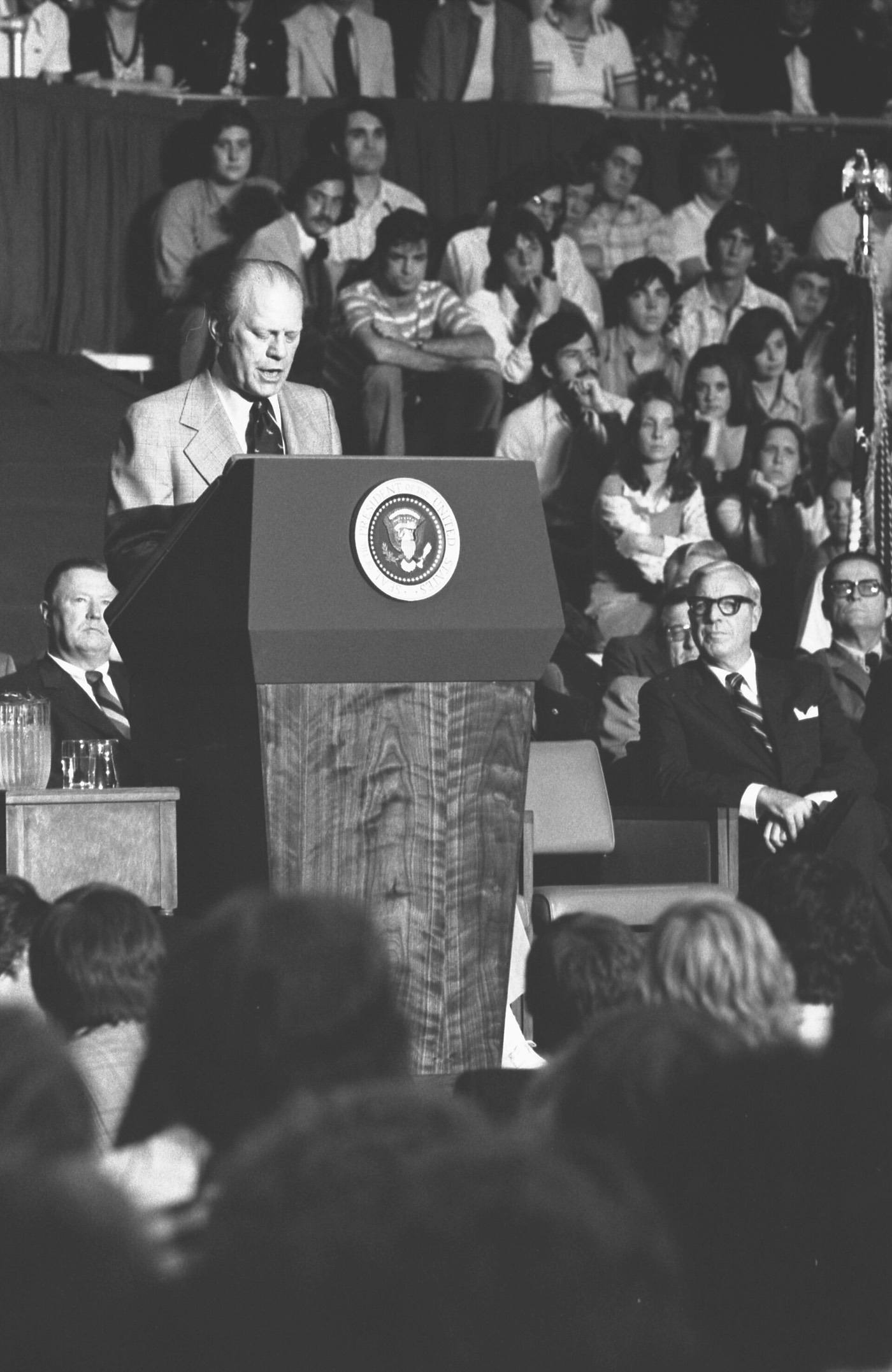
The Scope of Pardon Power
The Constitution grants the president the authority to grant pardons for federal offenses, a power that is both expansive and, many argue, fraught with potential for abuse. This authority, outlined in Article II, Section 2, has been a point of contention throughout American history, yet it has seldom been subjected to rigorous scrutiny. In the current climate, the lack of checks and balances surrounding this power has become increasingly evident.
In recent months, we have witnessed instances where the exercise of pardon power has raised eyebrows among both critics and supporters of the administration. The controversial pardons issued for political allies and individuals with connections to the current administration have sparked fierce debates about the integrity of the office and its accountability to the public.

The Left's Critique
Progressives have taken a strong stance against what they perceive as the president's cavalier approach to pardons. They argue that these actions undermine the rule of law and erode public trust in governmental institutions. The concern is not simply about individual pardons but about the broader implications for governance and the perception that justice can be manipulated by those in power.
“When the powerful can evade accountability, our democracy itself is at risk.”
Many on the left are calling for a legislative review of the pardon process, arguing that the current system allows for a dangerous concentration of power in the executive branch. They contend that without oversight, the potential for corruption and favoritism becomes alarmingly high. However, while their concerns are valid, the left must also navigate their own tendency to paint every action of the administration with a broad brush of disdain, often losing sight of the complexities involved.
The Right's Response
Conversely, conservatives have rallied around the president's use of pardons as a demonstration of executive authority and discretion. Many in the right-wing media have framed this as a necessary tool for the president to correct what they perceive as injustices in the legal system. However, this blind defense of presidential power also raises questions about accountability. Are we to accept that any exercise of power, even one that seems politically motivated, should go unchecked simply because it aligns with our ideological beliefs?
This polarization is disheartening. The right’s unyielding support for the administration’s actions often disregards the need for a balanced approach to governance. While it is essential to defend the executive branch against unjust attacks, it is equally important to hold it accountable for actions that may undermine the very fabric of our democracy.
A Call for Oversight
What is needed now is a bipartisan effort to establish clearer guidelines and oversight mechanisms regarding the use of pardon power. We must ask ourselves - what is the purpose of a pardon? Is it to correct injustices, or is it merely to serve political ends? The answer to this question could determine the future of our justice system and the public's trust in it.
As citizens, we must demand more from our leaders and hold them accountable for their actions. A system that allows for unchecked power, whether from the left or the right, risks becoming a system in which justice is determined by who you know rather than the merits of the case. The danger of politicizing pardon power cannot be overstated; it should serve as a reminder that our democracy relies on a fair and equitable system of justice.
Conclusion
In conclusion, the conversation surrounding the presidential pardon power is one that requires careful consideration and open dialogue. Both the left and the right must move beyond their entrenched positions and recognize the necessity for reform. Only through a balanced approach, one that prioritizes integrity and accountability, can we ensure that the power to pardon remains a tool for justice rather than a weapon for political gain.
✦ ✦ ✦