From the file. Written for the paper dated September 1971. Opened in the public stacks July 14, 2026.
As the nation grapples with a cacophony of scandals and shifting political processes, the extremes of both the left and right have become alarmingly pronounced. This week has seen the fervor of political activism collide with the hard realities of governance, leaving many citizens disillusioned.
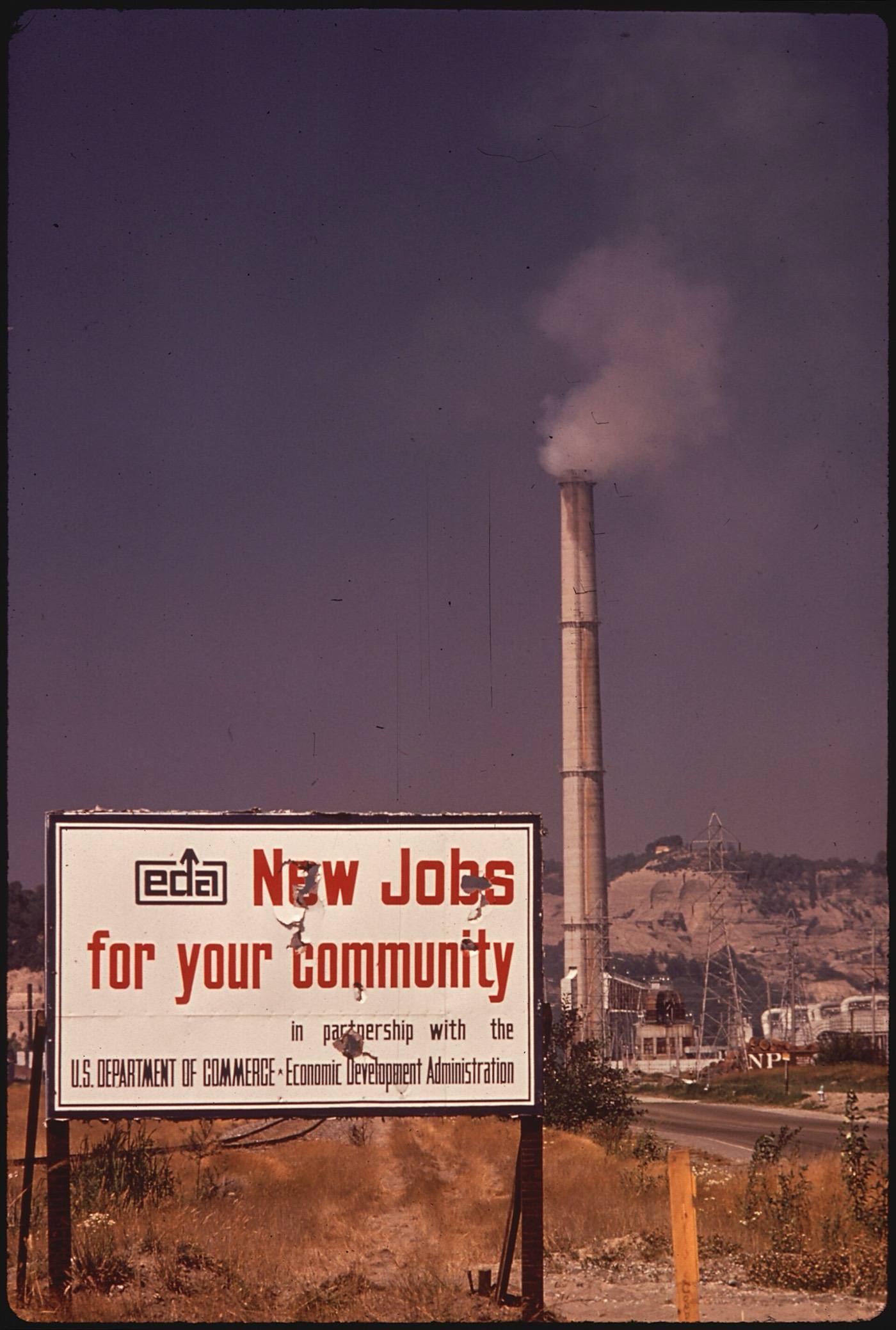
The Left and its Radical Edge
The left wing, once a bastion of reform and progress, now teeters on the edge of radicalism. Demonstrations erupt across the country, fueled by a fervent desire for change. While it is commendable to demand justice and equality, the tactics employed by some factions have raised eyebrows. The recent protests against the Vietnam War, while drawing attention to the plight of soldiers and civilians alike, have occasionally devolved into chaos. Instances of property destruction and confrontations with law enforcement leave many questioning whether the ends justify the means.
"In their pursuit of a noble cause, some on the left risk alienating the very public they seek to engage."
Moreover, there are growing concerns about the rhetoric used by some radical elements. Calls for an overthrow of the existing system can be heard in chants and speeches, creating a polarized atmosphere where dialogue is replaced with demands. It is crucial for progressive movements to reflect on their approaches and consider that change often requires both passion and pragmatism.
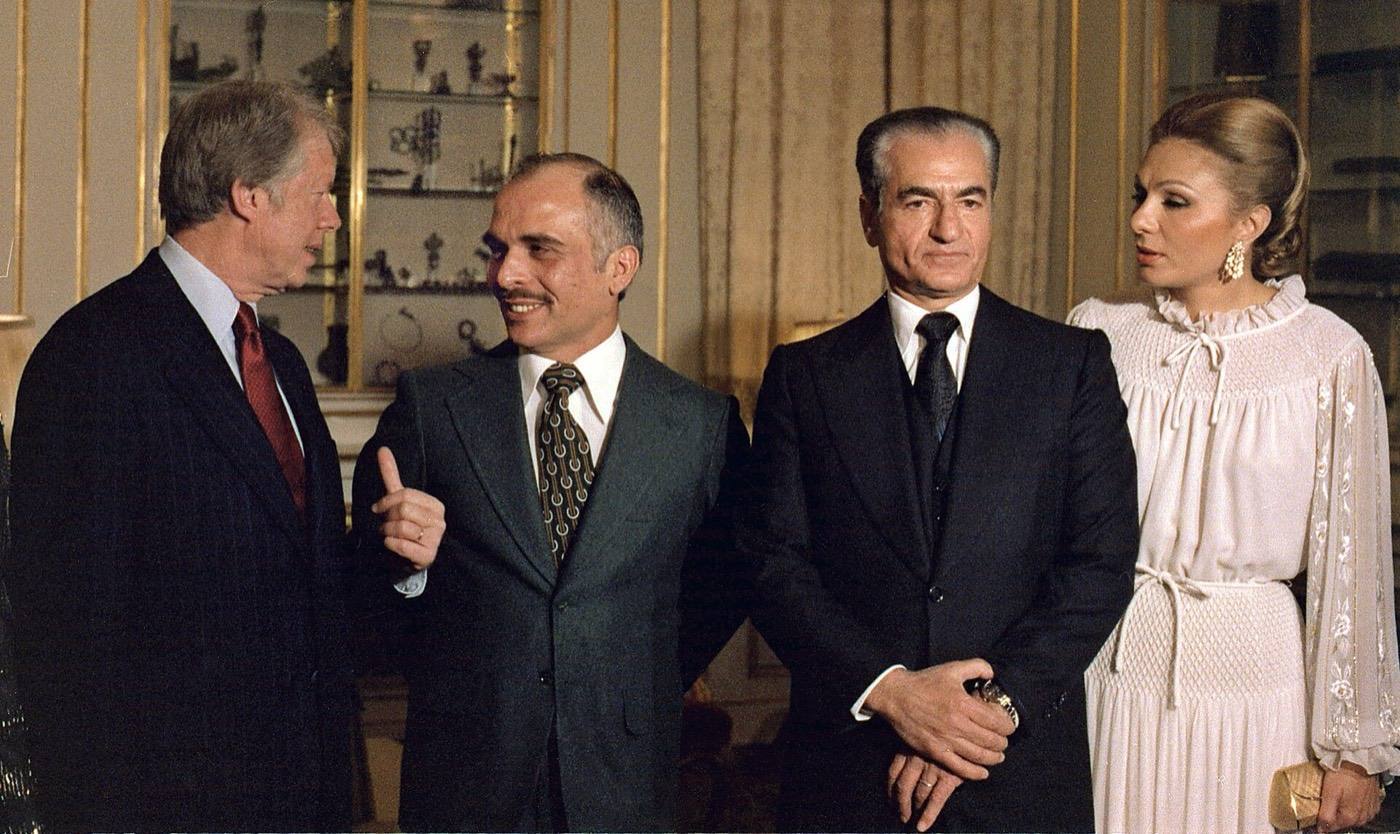
The Right's Rigid Stance
On the other end of the spectrum, the right wing maintains its rigid stance on various issues, often to the detriment of constructive discourse. The recent focus on law and order has morphed into a reactionary posture that disregards the underlying issues of poverty and inequality. Rather than addressing the root causes of unrest, some conservatives appear more intent on demonstrating strength, prioritizing punitive measures over compassion.
The backlash against liberal policies has fostered a climate of fear and suspicion, further complicating the national dialogue. As more citizens rally around the idea of a return to "traditional values," it becomes increasingly difficult to acknowledge the diverse realities faced by many Americans. The right must recognize that a true commitment to democracy includes the acknowledgment of dissenting voices and the complexities of contemporary society.
The Need for Moderation
In this charged environment, it is imperative for both sides to reconsider their approaches. Extremism, whether on the left or the right, risks alienating moderate citizens who are seeking solutions rather than division. The political landscape is not a battlefield; it is a forum for dialogue and compromise.
Some political leaders are beginning to recognize the importance of reaching out across the aisle. They understand that solutions to our national challenges cannot be achieved in isolation. The recent bipartisan efforts to address social issues demonstrate a willingness to collaborate, albeit cautiously. These initiatives, however, must not be overshadowed by the clamor of the extremes.
The Role of the Media
The media, too, holds a significant responsibility in shaping public discourse. The sensationalism of scandal can distort the narratives surrounding critical issues, often favoring conflict over resolution. As journalists, we must strive to present balanced perspectives that reflect the complexity of the American experience. This week, as we report on the various scandals and processes unfolding, it is vital to avoid amplifying the extremes at the expense of the middle ground.
As we navigate through this tumultuous period, the call for moderation and reasoned discussion remains pressing. Citizens must demand accountability from their leaders, while also fostering an environment where diverse opinions can coexist. If we allow the extremes to dominate the conversation, we risk losing sight of the common goals that unite us as a nation.
✦ ✦ ✦