From the file. Written for the paper dated September 1971. Opened in the public stacks July 14, 2026.
As public clinics across the nation grapple with the dual challenges of accessibility and quality, this week has seen a range of reactions from both supporters and critics, illuminating the growing divide in health care perspectives.
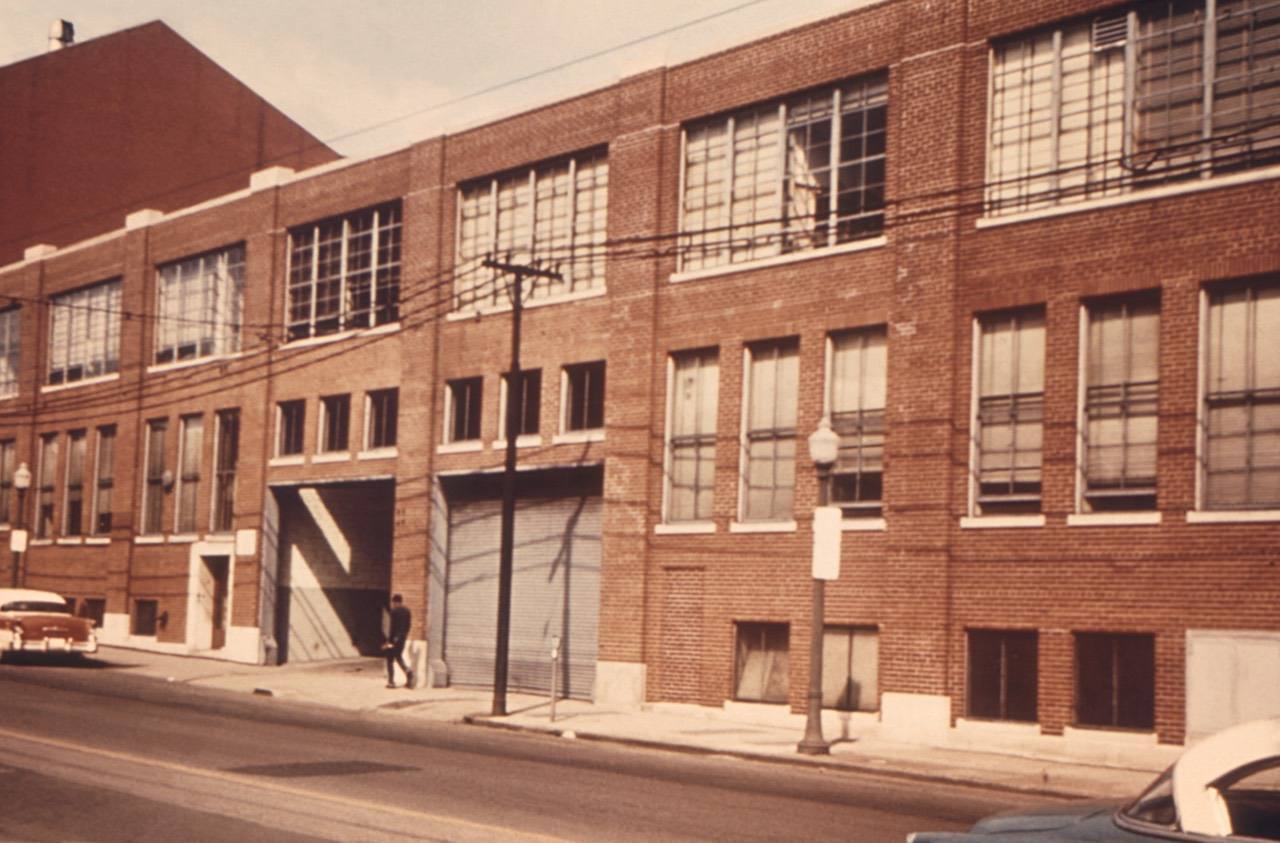
Current Landscape of Public Clinics
Public clinics, often the last line of defense for low-income Americans seeking medical care, have been at the forefront of public discourse this week. Advocates for these institutions argue that they are essential lifelines, especially for marginalized communities. However, critics point to issues of overcrowding, long wait times, and sometimes subpar care as signs that the system is failing.
In cities like Los Angeles and New York, public clinics are experiencing a surge in patient numbers as more individuals seek affordable care. This uptick raises questions about the sustainability of these institutions and whether they can adequately serve the growing demand. In contrast, rural areas are grappling with their own challenges, often facing closures or reduced hours, leaving many without access to necessary services.
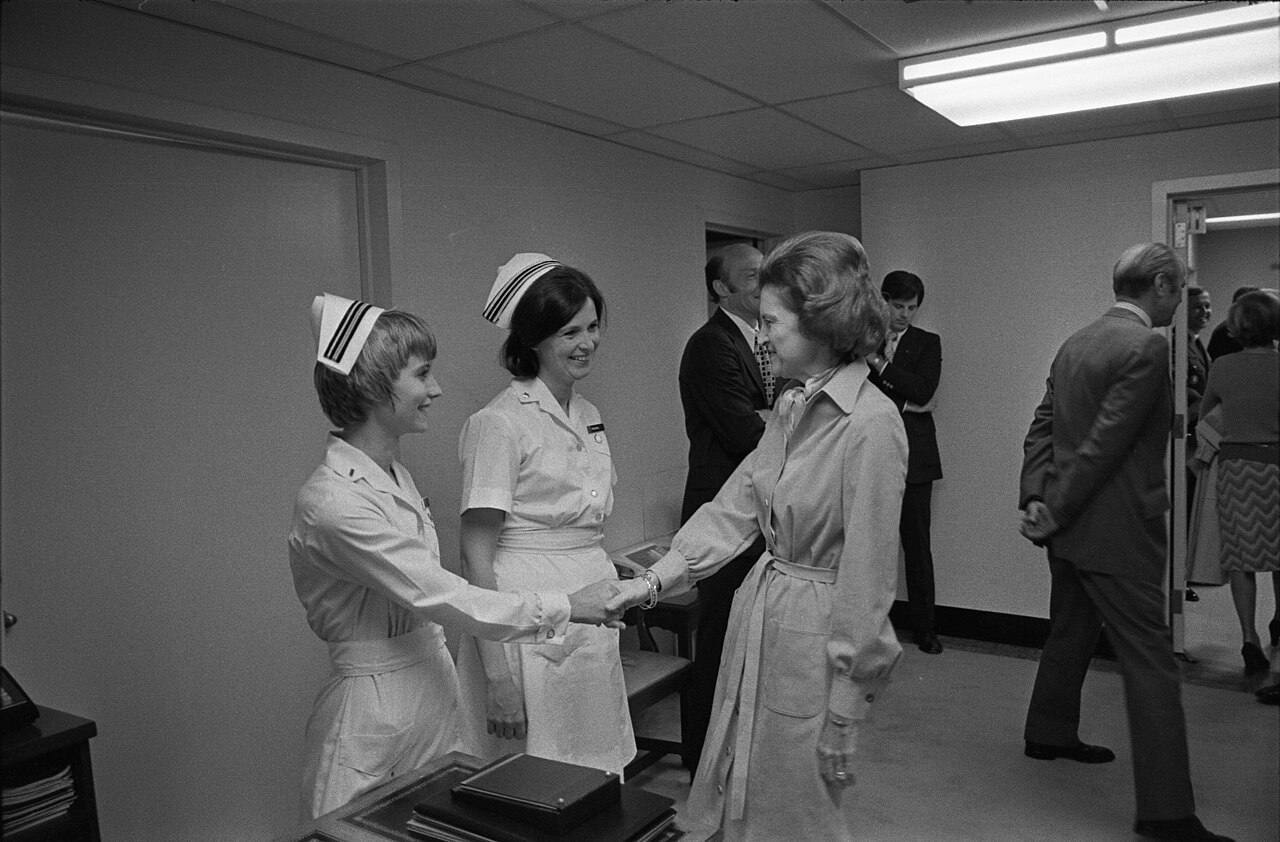
"Public clinics are meant to serve the people, but are we really meeting their needs?"
Critics on the Left and Right
This week, the criticisms of public clinics have come from both ends of the political spectrum. On the left, some progressive activists argue that the government is not doing enough to fund and support these facilities. They contend that increased funding is essential to ensure that clinics can provide comprehensive care to all who need it. This camp emphasizes the importance of universal health care, viewing public clinics as a stepping stone towards that goal.
Conversely, on the right, there is a growing sentiment that public clinics represent a bloated government program that is inefficient and mismanaged. Critics argue that the funds allocated to these clinics could be better spent on private sector solutions that they believe would foster competition and improve overall care. This perspective highlights a fundamental belief in market-driven solutions, often dismissing the unique needs of lower-income populations.
The Human Element
As the debate rages on, it is crucial to remember the human element at the center of this issue. Many patients rely on public clinics not only for physical health but also for mental health services, preventive care, and outreach programs. Testimonials from patients highlight their struggles to navigate a complex health care system that often leaves them feeling marginalized.
One patient in a Chicago clinic shared her experience of waiting hours for a simple consultation, only to be met with a hurried examination. She expressed gratitude for the care she received but lamented the lack of time afforded by overworked staff. This sentiment is echoed by many who find themselves in similar predicaments. Such stories underscore the need for systemic changes that prioritize patient care over political posturing.
Calls for Reform
In light of these challenges, there are calls for reform from both sides of the aisle. Some lawmakers are proposing legislation aimed at increasing funding for public clinics, while others are advocating for a complete overhaul of the health care system. The ongoing discourse suggests that while there may be disagreement on the solutions, there is a shared recognition that the current state of public clinics is untenable.
As public clinics continue to operate under strained conditions, it is imperative that the conversation remains focused on solutions that are equitable and sustainable. The future of health care in America may depend on our ability to bridge the divides that currently exist in this debate.
✦ ✦ ✦