From the file. Written for the paper dated July 1971. Opened in the public stacks July 14, 2026.
As headlines roar with the latest protests and political upheavals, the shipping lanes across our oceans continue to hum with the steady rhythm of commerce - an often-overlooked machinery that keeps our economy afloat. In this week’s dispatch, we take a closer look at the engines of trade that remain steadfast amidst the clamor.
The Lifeblood of International Trade
Shipping lanes are the arteries through which goods flow across the globe, vital to maintaining the pulse of international commerce. In the past week, several key developments have emerged that underscore the importance of these routes, even as the political tides threaten to disrupt them.
In the Pacific, the shipping lanes remain busy as vessels laden with goods traverse the vast expanse between the United States and Asia. Despite the ongoing tensions in Southeast Asia, trade continues to rise, with American exports of machinery and agricultural products reaching new heights. However, this surge also draws the attention of various factions, both left and right, who seek to either capitalize on or disrupt these channels for their own ends.
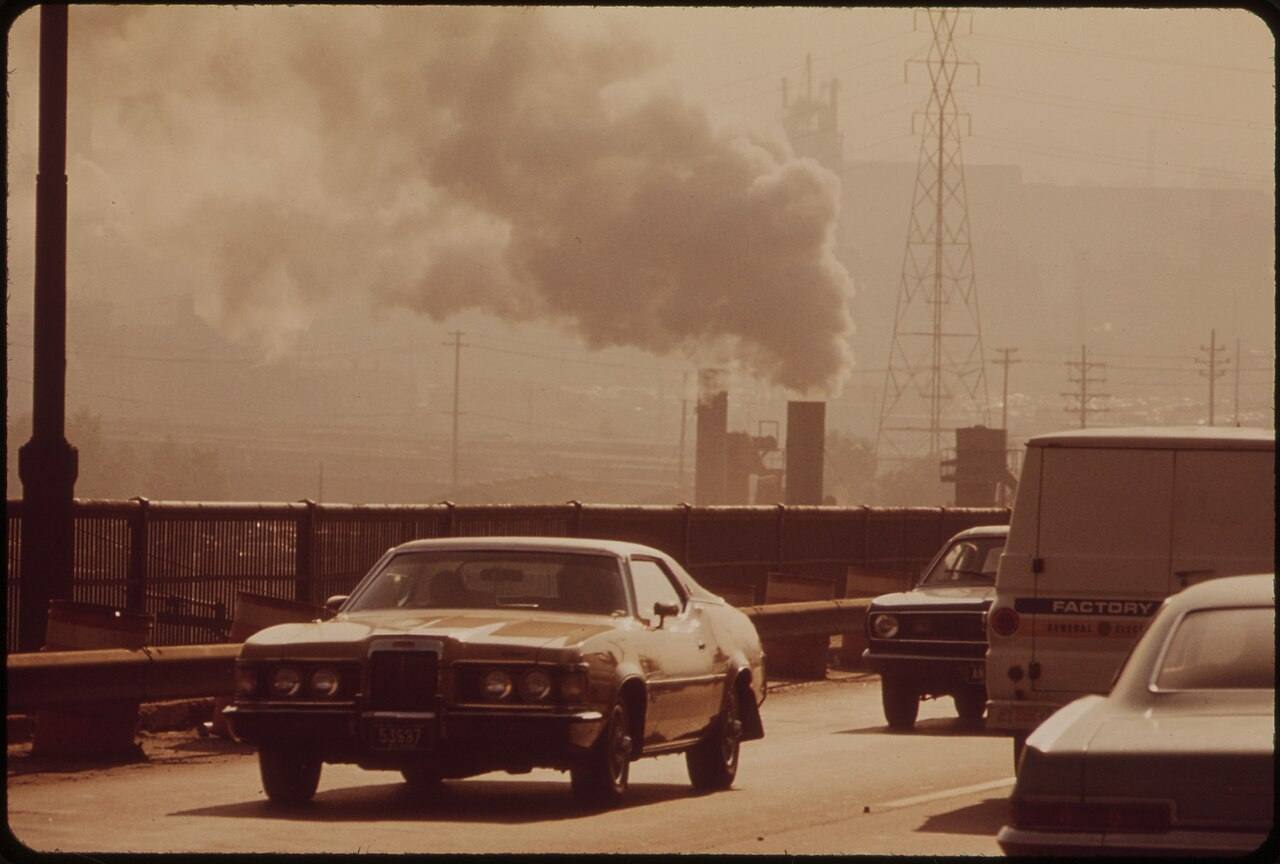
"Shipping lanes are the arteries through which goods flow across the globe."
Disruptions on the Horizon
Nevertheless, the stability of these shipping lanes is under threat from various corners. From the left, there are increasing calls to impose stricter regulations on shipping practices, citing environmental concerns and labor rights. While these issues are undeniably important, the push for immediate reforms could inadvertently lead to disruptions in supply chains that have taken years to establish.
On the right, there is a growing sentiment that America’s shipping industry needs to be protected from foreign competition. This has sparked a wave of protectionist rhetoric that could lead to tariffs and other barriers, further complicating a delicate balance that keeps our economy thriving. The irony is that while the right calls for a defense of American interests, this could lead to higher prices for consumers and reduced options in the marketplace.
The Silent Majority of Workers
Yet amidst the political noise, it is essential to recognize the silent majority - the workers in the shipping industry who labor tirelessly to keep goods moving. Dockworkers, sailors, and logistics professionals play an indispensable role, yet their voices are often drowned out in the larger political discourse. The left’s advocacy for workers’ rights must not overlook the complexities of the industry and the potential repercussions of sweeping reforms.
At the same time, the right must also acknowledge the need for a fair labor environment that empowers these workers rather than stifles them. A balance must be struck that honors both the contributions of labor and the imperatives of a competitive marketplace.
Global Implications
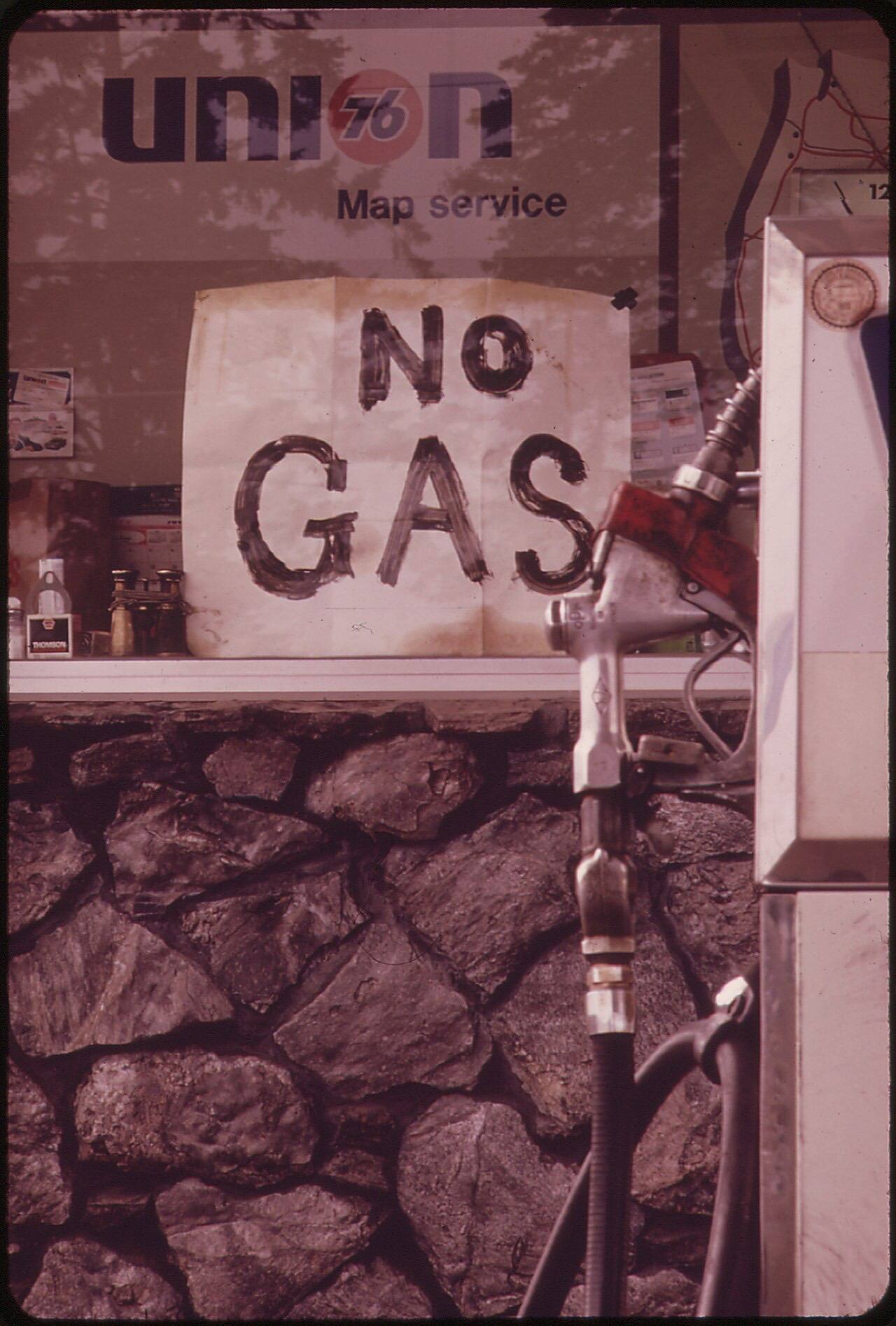
As we contemplate the implications of current shipping practices, it is worth noting that the global nature of trade means that events abroad can have profound effects on our local economy. The recent decision by the Organization of Arab Petroleum Exporting Countries (OAPEC) to limit oil exports has begun to ripple through the shipping community. An increase in oil prices could lead to higher shipping costs, which would ultimately be passed on to consumers.
Conversely, as nations grapple with their own economic issues, there is also potential for new trade agreements to emerge. The ongoing discussions between the United States and various Asian nations could open up new markets for American goods, provided that the shipping lanes remain clear and operational.
Conclusion: The Quiet Importance of Shipping Lanes
In conclusion, as the nation continues to grapple with the tumultuous political landscape, it is crucial not to lose sight of the critical role that shipping lanes play in our economy. The need for balanced policies that consider all parties involved is paramount. As we sail into the future, let us hope for a harmonious navigation through both the waters of commerce and the currents of political discourse.
✦ ✦ ✦