From the file. Written for the paper dated June 1971. Opened in the public stacks July 14, 2026.
The sharp increase in commodity prices has raised eyebrows and prompted discussions among economists, business leaders, and consumers alike. As we sift through the data, it is imperative to separate the facts from the fervor that often accompanies such fluctuations.
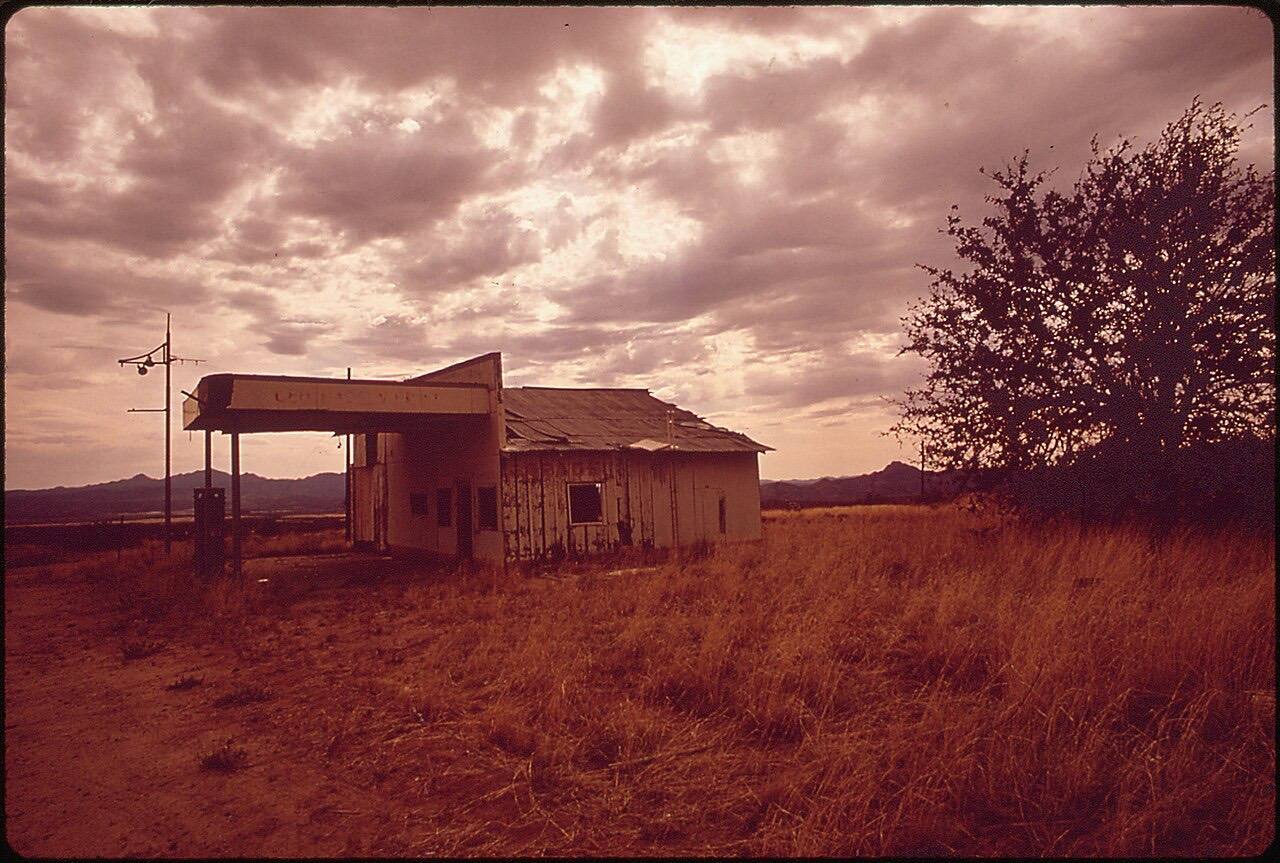
Understanding the Spike
Recent reports indicate a significant rise in the prices of essential commodities, including oil, steel, and agricultural products. This upward trend is not merely an anomaly; it reflects a confluence of factors that deserve careful examination. While some voices on the left hastily attribute this spike to corporate greed and the capitalist machine, others on the right are quick to point fingers at government regulation and intervention as the root cause.
To engage in meaningful discourse, we must first clarify the evidence surrounding this price surge rather than allowing our political biases to dictate our interpretations. The reality is that both sides of the aisle have their own agendas, often obscuring the truth in the process.
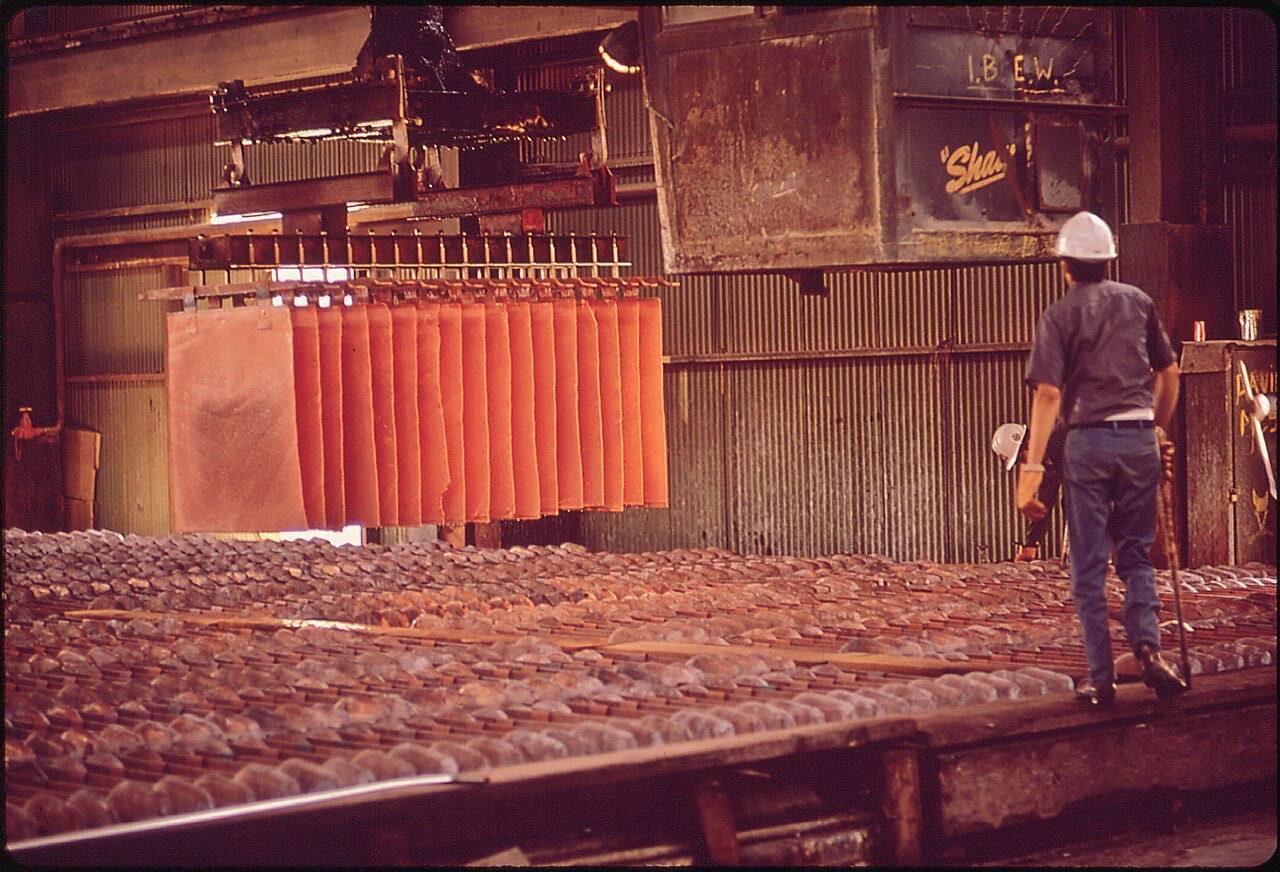
Economic Pressures and Global Influences
The international landscape has played a pivotal role in the current commodity climate. Instability in the Middle East, particularly with the recent tensions surrounding oil-rich nations, has had a profound impact on oil prices. As the demand for oil remains high, any disruption in supply chains can lead to immediate price hikes. This is not a mere talking point for the left or right but a reality that affects every American household.
Moreover, agricultural markets have been influenced by weather patterns and international trade disagreements. Droughts and floods disrupt supply, and tariffs imposed on imports can create artificial shortages, leading to price increases. Understanding these factors is essential for grasping the broader picture of the commodity spike.
The Role of Speculation
It is crucial to consider the role of speculation in the commodity markets. Investors, driven by the potential for profit, often engage in speculative trading, which can exacerbate price fluctuations. While some may argue that this is a natural function of the market, it raises ethical concerns about the impact on consumers. The left's criticism of profit-driven motives is not entirely unwarranted, yet the right's defense of free-market practices can sometimes overlook the detrimental effects on everyday citizens.
"This spike in commodity prices is more than just a market reaction; it is a reflection of the underlying tensions in our global economy."
Consumer Impact and Political Reactions
The immediate impact of rising commodity prices is felt most acutely by consumers. As the cost of living increases, families are forced to make difficult choices, often sacrificing quality for affordability. Politicians, sensing the discontent among their constituents, may be tempted to propose quick fixes. However, these solutions often lack depth and fail to address the root causes of the issue.
On the left, there is a call for stronger regulations to curb corporate excesses. While there is merit in ensuring that businesses do not exploit consumers, heavy-handed regulation can stifle innovation and economic growth. Conversely, the right often advocates for deregulation, arguing that free markets will self-correct. This approach can lead to further volatility and does little to alleviate immediate consumer concerns.
A Call for Balanced Discourse
As we navigate these turbulent waters, it is essential to promote a balanced discourse that prioritizes evidence over ideology. Politicians from both sides must recognize that the reality of commodity prices is not a convenient tool for scoring political points but a complex issue that requires thoughtful solutions.
In conclusion, the spike in commodity prices is a multifaceted issue that demands a nuanced understanding. By focusing on the evidence rather than succumbing to political rhetoric, we can better equip ourselves to address the challenges that lie ahead. Both the left and right must step back from their extremes to engage in constructive dialogue aimed at fostering economic stability and protecting consumers.
✦ ✦ ✦