From the file. Written for the paper dated May 1971. Opened in the public stacks July 14, 2026.
As the nation grapples with the implications of an ongoing war and economic uncertainty, the supply chain has become a focal point for both criticism and commendation. This week, we take a closer look at the claims made by various stakeholders in the supply chain industry and juxtapose them against the record.

The Public Claims
In recent months, businesses and government officials alike have been vocal in their assertions of a recovering supply chain, pointing to improved delivery times and replenished stock levels in several key sectors. Retailers have touted their ability to meet consumer demand, claiming a return to pre-war conditions. Similarly, manufacturers have expressed optimism, suggesting that production bottlenecks are easing and that they are able to deliver goods with greater efficiency.
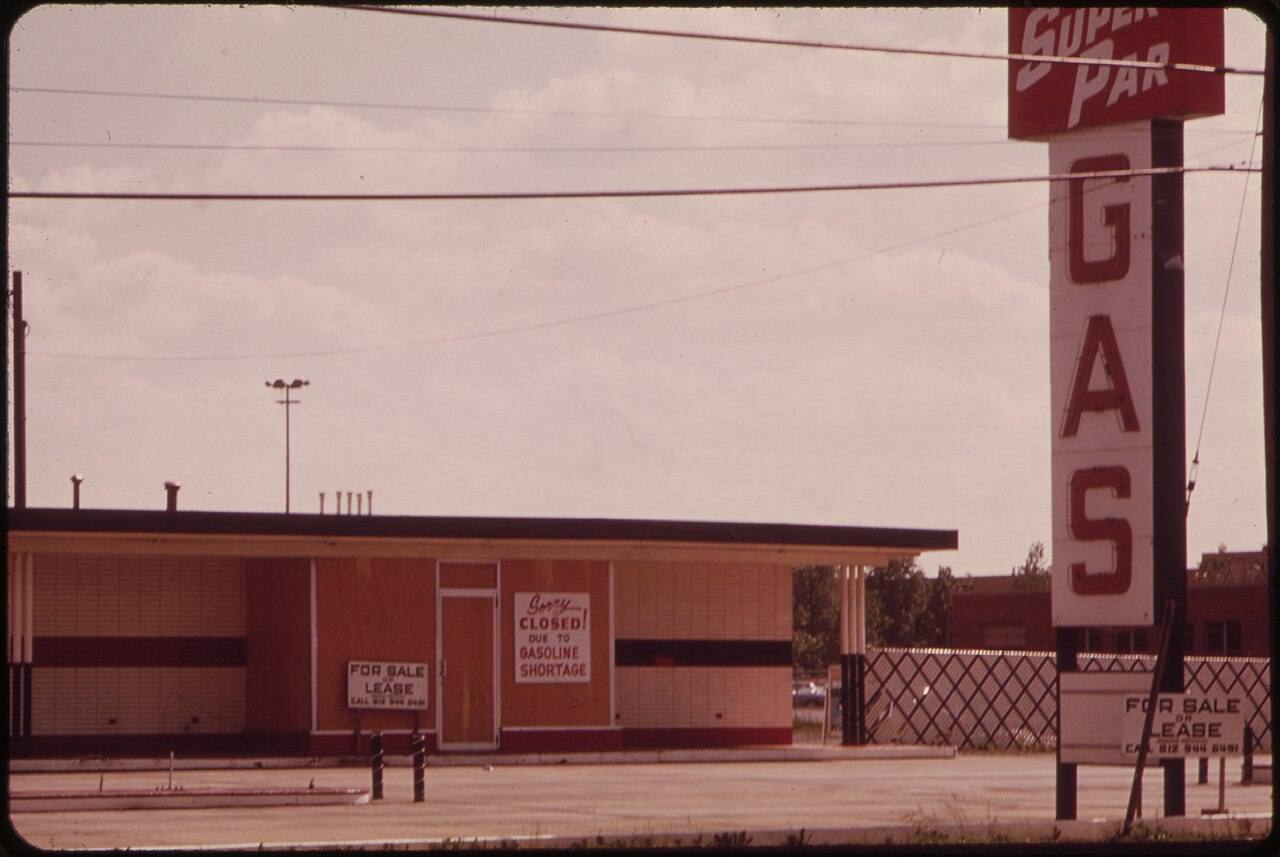
However, amidst this chorus of optimism, there lies a contrasting reality. Many consumers and small business owners continue to experience delays and shortages that challenge these rosy claims. Reports of empty shelves and unmet orders persist, particularly in industries that rely heavily on imported goods. The disconnect between public statements and the lived experience of Americans raises significant questions about the actual state of the supply chain.
The Reality Check
While some sectors may indeed be seeing improvements, the overall picture remains one of inconsistency. Manufacturing indices suggest a mixed bag, with some industries booming while others struggle. For instance, the automotive industry continues to face significant challenges in sourcing components, leading to reduced production rates and increased wait times for consumers. The transportation sector is similarly fraught, as rising fuel prices and labor disputes threaten to undermine any gains made in efficiency.
Moreover, the infrastructure necessary to support a robust supply chain is increasingly showing signs of strain. Highways and railroads are congested, and the backlog at ports remains a pressing issue. Despite the assurances of government officials regarding improvements in logistics, the reality is that many of these systems are still operating below optimal capacity.
"We are seeing pockets of recovery, but the overall supply chain is still fragile," noted a logistics analyst.
Excesses on Both Sides
As with many issues in contemporary America, the discourse around the supply chain has become polarized. On one hand, we have industry leaders and government officials who are quick to declare victory, often at the expense of acknowledging ongoing challenges. This uncritical optimism can lead to complacency, where the necessary reforms and investments are sidelined in favor of feel-good narratives.
On the other hand, there is a tendency among some left-leaning commentators and activists to paint a picture of complete collapse. They emphasize the struggles faced by certain sectors and the impact on the average consumer, often neglecting to acknowledge the improvements that have indeed taken place. This approach can create an atmosphere of panic and despair, which is counterproductive to finding constructive solutions.
Both extremes fail to recognize the complexity of the situation. The supply chain is not a monolith; it is a diverse network of interdependent systems that requires nuanced understanding and balanced approaches. Oversimplification serves neither the public interest nor the business community.
A Call for Balanced Discourse
In the spirit of constructive dialogue, it is imperative for both sides of the debate to temper their rhetoric. Industry leaders must take responsibility for their claims, ensuring they are backed by transparent data. Meanwhile, critics must acknowledge any progress made in the supply chain while continuing to press for necessary reforms and improvements.
The American public deserves a clear-eyed assessment of the supply chain, free from the hyperbole of both excessive optimism and undue pessimism. Only by fostering a balanced conversation can we hope to address the real challenges that lie ahead and ensure a robust supply chain that serves all Americans effectively.
Conclusion
As we move forward, the focus must shift towards actionable solutions that reflect the realities on the ground. A collaborative effort among businesses, government, and consumers will be essential to navigate the ongoing challenges within the supply chain. It is time to move beyond rhetoric and work towards a future where the supply chain is resilient, responsive, and truly reflective of the needs of the American public.
✦ ✦ ✦