From the file. Written for the paper dated May 1971. Opened in the public stacks July 14, 2026.
In a week marked by conflicting narratives, the latest figures on factory orders present a stark contrast to the public claims made by various economic commentators.
Public Claims vs. Reality
As the economy grapples with the repercussions of inflation and labor unrest, the discourse surrounding factory orders has become a battleground for competing ideologies. On one end, proponents of the left assert that our manufacturing sector is undergoing a renaissance, fueled by progressive policies aimed at revitalizing American labor. They point to increased spending on durable goods as evidence of a booming economy, ready to emerge from the shadows of recession.
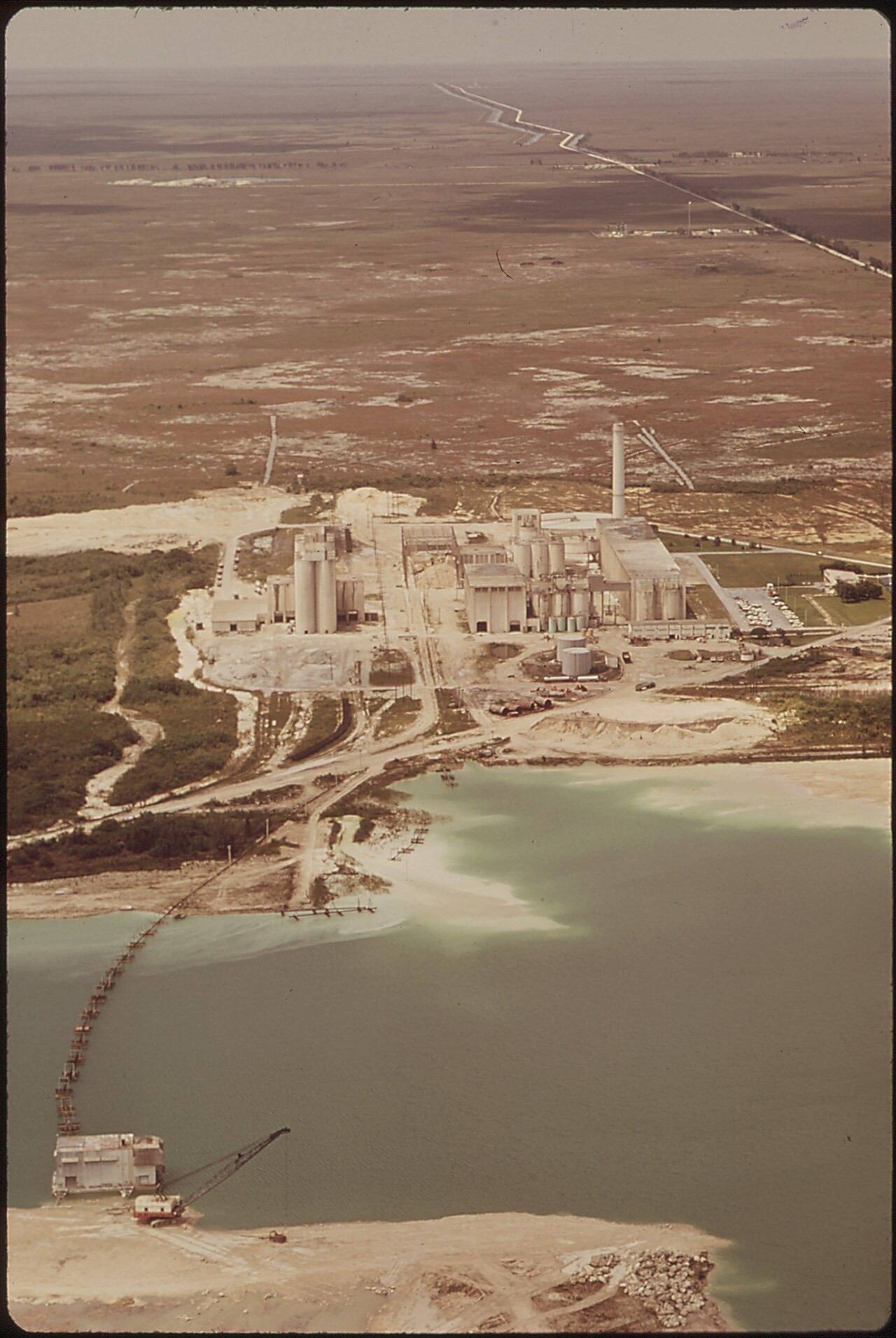
However, the numbers tell a different story. The latest data reveals a modest increase in factory orders, but this uptick is hardly the resounding success touted by those on the left. Indeed, the increase is largely attributed to a handful of industries, such as aerospace and defense, which have benefitted from government contracts. The broader manufacturing base continues to struggle, with many sectors still feeling the pinch of rising costs and a shrinking labor pool.
"The numbers reveal a modest increase, but hardly a renaissance."
Right-Wing Optimism
On the other side of the aisle, right-wing commentators are equally guilty of overstating the health of our factories. Their rhetoric suggests that tax cuts and deregulation are the keys to unlocking a flood of manufacturing jobs, painting a rosy picture of a strong economy around the corner. Yet, as recent factory order statistics indicate, the reality is more nuanced. While there are pockets of growth, many businesses are still wary of making long-term investments due to the uncertainty brought on by fluctuating economic conditions and ongoing labor disputes.
Moreover, the claims made by economic conservatives often ignore the very real challenges faced by workers. The notion of a “jobless recovery” rings hollow to those who have been laid off or are struggling to make ends meet. The right's narrative fails to address the importance of maintaining a robust middle class, which is essential for sustainable economic growth.
The Impact of Labor Disputes
One of the critical factors influencing factory orders is the ongoing labor unrest that has gripped various sectors. Strikes and negotiations have disrupted production schedules, causing delays and uncertainty that ripple throughout the supply chain. Labor unions, emboldened by a growing sense of solidarity, are demanding better wages and working conditions, which some argue are necessary for a fair economy. However, their actions can also lead to temporary setbacks in production, thereby affecting the overall factory order numbers.
As businesses navigate these complexities, it is crucial for both sides of the economic spectrum to recognize the interconnectedness of factory orders, labor conditions, and overall economic health. A balanced approach must take into account the needs of workers while still fostering an environment conducive to growth and investment.
Looking Ahead
As we move into the summer months, the economic landscape is likely to remain volatile. Factory orders will continue to serve as a barometer for the manufacturing sector’s health, but it is essential to interpret these numbers with caution. Both left and right narratives must be scrutinized, as they often fall victim to the allure of oversimplification.
In the coming weeks, the Commerce Department is expected to release further statistics that may shed light on whether this week’s modest increase in factory orders is a sign of a sustained recovery or merely a blip in a long-term trend of economic instability. Observers from across the political spectrum would do well to temper their expectations and focus on the underlying issues that affect all Americans.
✦ ✦ ✦