From the file. Written for the paper dated March 1971. Opened in the public stacks July 14, 2026.
In a week marked by the issuance of several Executive Orders, tensions between the left and right have reached a fever pitch, each side clamoring for greater influence over the direction of policy and governance.
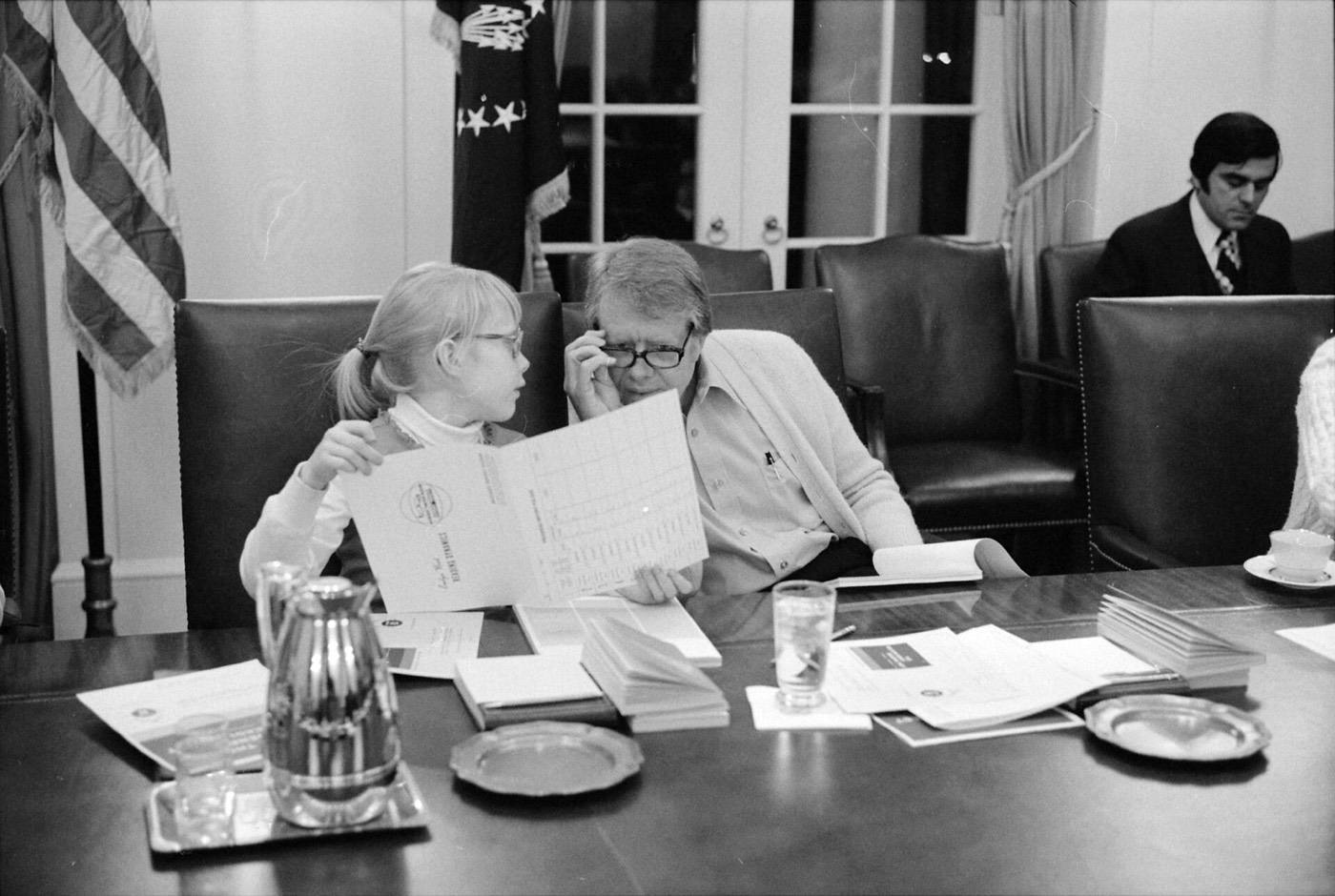
The Tug of War Over Executive Power
As President Nixon continues to wield the power of the Executive Order, both sides of the political spectrum are grappling with the implications of his decisions. On one hand, the administration's supporters argue that these orders are essential tools for enacting necessary reforms quickly and efficiently. Conversely, detractors from the left see this as an overreach of executive power, undermining the principles of democracy in a time when public trust in government is already fragile.
Consider the recent Executive Order aimed at environmental policy reform. While proponents hail it as a much-needed step toward protecting our natural resources, critics from the right view it as an excessive governmental intrusion into the free market. This conflict highlights a fundamental divide: is the government a steward of the environment or an obstacle to economic growth? Each side is eager to claim moral high ground, yet both seem willing to overlook the consequences of their extremes.

"The Executive Order is a double-edged sword; it can cut through red tape or sever the ties of democracy."
A Left-Wing Response to Executive Action
The left is equally guilty of excess, as many of its leaders advocate for sweeping changes without fully considering the ramifications. The push for social justice initiatives through executive action can be seen as an attempt to sidestep legislative debate and consensus-building. This approach may garner immediate accolades from progressives but risks alienating moderates and conservatives who feel their voices are being ignored.
For example, recent calls for affirmative action policies have resulted in demands that may not only polarize the electorate but stifle constructive dialogue. These initiatives, while noble in intent, can create an environment where those who do not agree are labeled as obstructionists, which only further entrenches opposition and creates an "us versus them" mentality.
The Right's Counteroffensive
On the other side, the right's response to executive orders has been equally extreme. A growing number of conservative legislators are calling for a rollback of federal authority, which they claim infringes on states’ rights. In their fervor to reclaim power, they risk throwing the baby out with the bathwater. In their quest to limit executive influence, they may inadvertently hinder important social programs that benefit the very constituents they champion.
This ideological battle has led to a situation where both sides are retreating into their own corners, unwilling to engage in the kind of compromise that is essential for effective governance. The rhetoric has grown increasingly heated, with accusations flying and dialogue breaking down. What happened to the days when leaders sought common ground?
Public Opinion: A Divided Nation
Recent polls suggest that a significant portion of the American public is disillusioned with the extremes on both sides. Many citizens yearn for balance and moderation, yet they feel trapped in a political landscape that often rewards partisanship over pragmatism. This discontent has manifested in protests, marches, and increasingly vocal dissent from citizens who feel their concerns are being overlooked.
Charting a Path Forward
As we navigate this complicated landscape, it is crucial for both sides to recognize that cooperation is not a sign of weakness but rather a strength. The nation cannot afford to remain mired in conflict, especially as pressing issues like racial inequality, environmental degradation, and economic instability loom large on the horizon.
Legislators must acknowledge that Executive Orders are not a panacea. While they can provide quick fixes, they should not replace the necessity of legislative dialogue and compromise. Both sides must come to the table, willing to listen and negotiate, rather than simply trying to score political points.
✦ ✦ ✦