From the file. Written for the paper dated February 1971. Opened in the public stacks July 14, 2026.
As the nation grapples with shifting sentiments towards authority and institutions, recent public trust surveys reveal a complex landscape often glossed over in the briefings from pundits and politicians alike.

The Trust Deficit
The latest public trust survey has made headlines, with many interpreting the results as a clear indication of growing disillusionment with government and societal institutions. Yet, while the figures may paint a stark picture, they lack the nuance needed for a deeper understanding of the underlying causes. Critics on both sides of the political spectrum are quick to latch onto these findings, but what is often ignored is the broader context that informs public opinion.
For instance, the survey indicates a significant decline in trust in government agencies, particularly in the aftermath of events such as the Vietnam War and the Watergate scandal. This dissatisfaction is not solely a reflection of government failings but also a symptom of a broader cultural malaise where citizens are increasingly skeptical of authority figures. However, this skepticism does not universally translate into support for alternative political philosophies. Instead, it often leads to a dangerous void where extremist ideologies can flourish unchallenged.
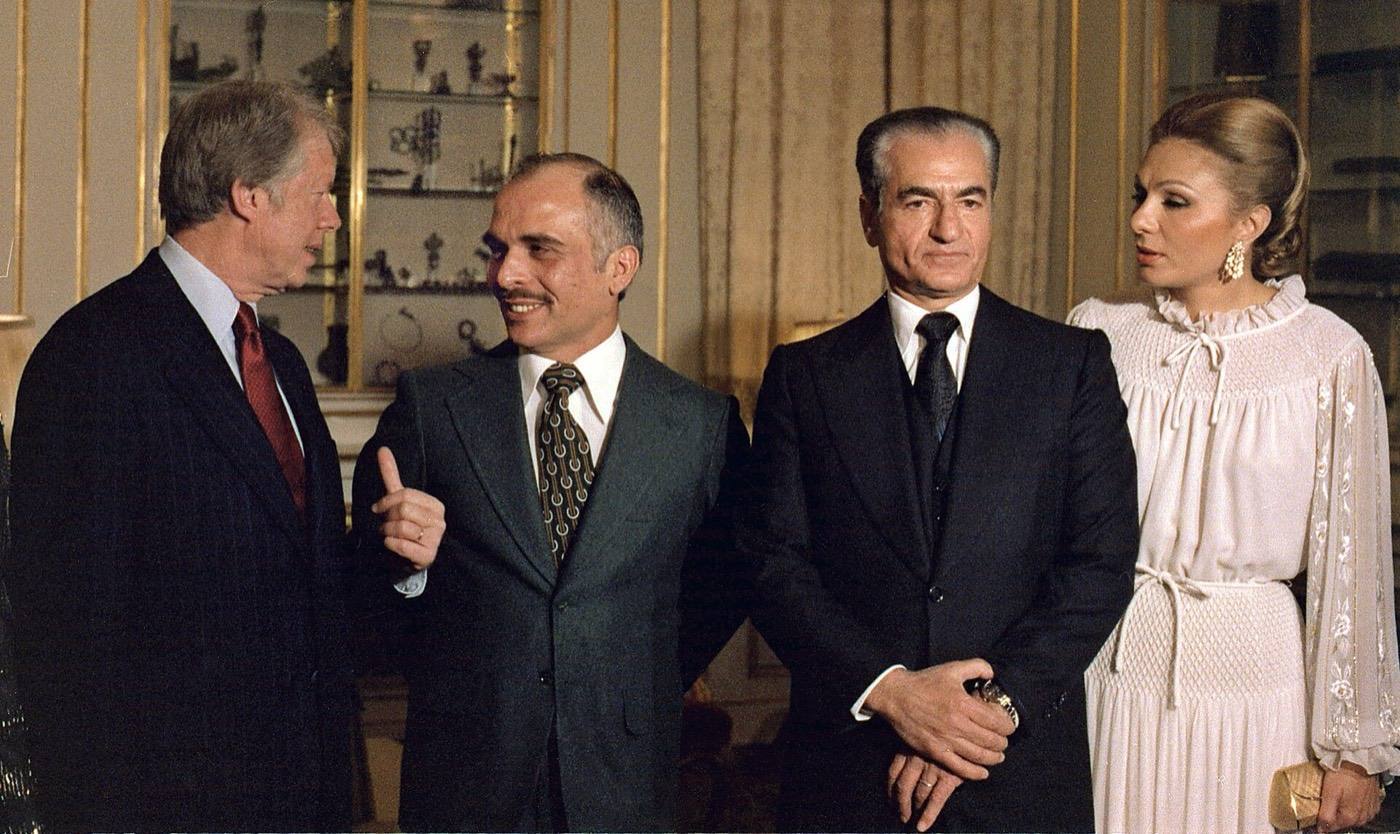
“The figures may paint a stark picture, but they lack the nuance needed for a deeper understanding.”
The Left's Dilemma
On the left, a segment of the population has embraced a fervent anti-establishment ethos, often rejecting any form of governance as inherently corrupt. This approach, while rooted in legitimate grievances, risks alienating moderate voices who may share some of the same concerns but prefer reform over radical overhaul. The left's tendency to dismiss all traditional institutions as irredeemably flawed may lead to a fragmentation of support and an inability to enact meaningful change.
Moreover, this radicalism can overshadow the more moderate and pragmatic elements of the left that advocate for civil discourse and incremental reform. In many cases, the left's messaging has become dominated by the loudest voices, leaving behind those who seek to build bridges rather than burn them. This exclusionary rhetoric may rally a passionate base, but it also risks estranging potential allies who could contribute to a more robust and inclusive movement.
The Right's Reaction
Conversely, the right has seized upon the survey results to bolster arguments for a return to "traditional values" and greater adherence to a strict interpretation of law and order. This reaction is often marked by an oversimplified view of public sentiment, leading to calls for draconian measures and a reliance on punitive policies as a solution to societal issues. Such an approach, while appealing to a segment of the population craving stability, often neglects the systemic issues that contribute to public distrust.
Furthermore, the right's tendency to portray all dissent as a threat to the fabric of society can exacerbate divisions rather than heal them. In their quest for unity, they may inadvertently foster an environment where dissenting opinions are marginalized, leaving no room for constructive dialogue. This approach can lead to a stagnation of ideas and a failure to address the root causes of public discontent.
A Call for Nuance
What is needed now is a call for nuance from both sides. The public trust survey serves as a valuable tool, but its findings must be interpreted with care. Both the left and right must confront the realities of a disenchanted populace that craves more than just partisan platitudes. Engaging in thoughtful dialogue that acknowledges the complexities of public sentiment is essential if we are to forge a path towards rebuilding trust.
Moreover, it is vital that leaders from both sides refrain from using the survey as a weapon against one another. Instead, they should harness the findings as a catalyst for productive conversation about how to restore faith in our institutions. This means being willing to listen to the concerns of citizens and acknowledging the valid points raised by both sides of the political spectrum.
Conclusion
As we navigate this tumultuous period in our nation's history, it becomes increasingly clear that the solutions to our trust deficit lie not in further polarization, but in a commitment to understanding and addressing the genuine concerns of the American people. A more thoughtful approach from both the left and right could help bridge the gap and foster a sense of shared purpose in rebuilding trust in our institutions.
✦ ✦ ✦