From the file. Written for the paper dated January 1971. Opened in the public stacks July 14, 2026.
In an America caught in the throes of social upheaval and political discontent, the ongoing debate over process versus performance has never been more pronounced. As the left clamors for systemic change, and the right demands accountability and results, both sides seem to have lost sight of the actual numbers that reflect our national health.
The Illusion of Progress
As we enter 1971, the rhetoric surrounding civil rights, environmental policy, and economic stability often overshadows the hard data that should guide our discourse. Supporters of sweeping reforms advocate for policies that promise to dismantle systemic inequalities, yet they often overlook the realities that these changes may bring. On the other hand, conservative critics of these movements frequently cite the failures of government intervention without acknowledging the roots of the issues they seek to address.
Consider the ongoing struggle against poverty. The War on Poverty, initiated under the Johnson administration, has seen its fair share of criticism. While the left touts the programs as life-changing for millions, the right points to the persistence of poverty as evidence of inherent flaws in the approach. Both sides cling to their narratives, but the numbers present a more complex picture. Poverty has indeed declined in certain demographics, but not uniformly across the board. The success stories are often overshadowed by those still trapped in the cycle of despair.
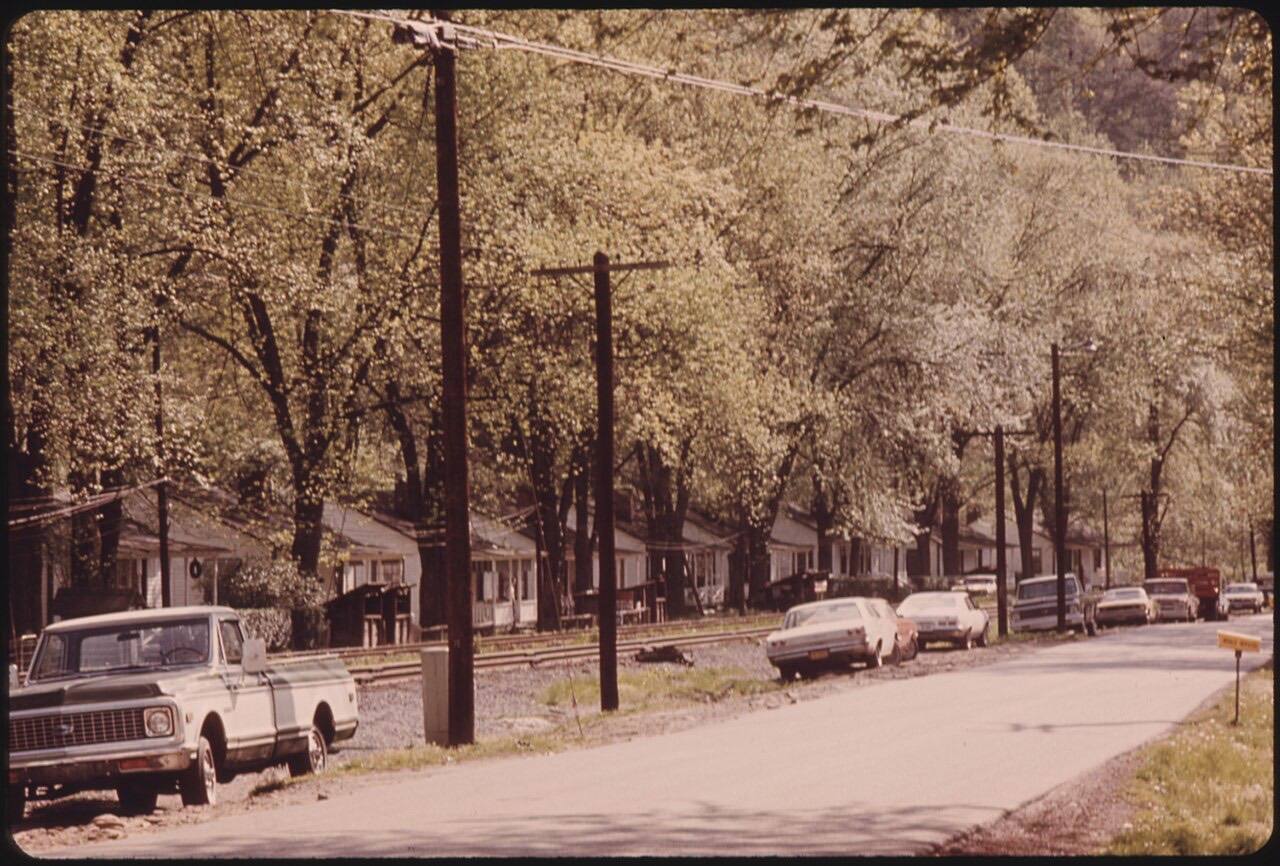
"Both sides cling to their narratives, but the numbers present a more complex picture."
The Environment: A Double-Edged Sword
Environmentalism has also entered the fray, with activists pushing for immediate action against pollution and climate change. The establishment of the Environmental Protection Agency is hailed as a victory for the left. Yet, as they celebrate, the right warns of the economic ramifications of stringent regulations. There is a valid concern that overzealous environmental policies could stifle growth and innovation, leading to higher unemployment rates. The question remains: how do we balance the urgent need for a cleaner environment with the necessity for economic stability?
The Political Landscape: A Divided Nation
In the political arena, the left and right have become increasingly polarized. The left's call for change is often met with resistance from a right that fears losing traditional values. This tug-of-war creates a political gridlock that stifles meaningful dialogue. The recent protests and rallies, while a testament to the vibrant democracy we cherish, can sometimes devolve into chaos, overshadowing the very issues they aim to address.
Moreover, the media plays a dual role in this scenario. On one hand, it can shine a light on injustices and promote awareness of critical issues. On the other hand, it can sensationalize events, leading to misinformed public opinion. The coverage of the protests often emphasizes the drama and conflict instead of the substantive issues at stake, leaving the public confused and divided.
Bridging the Divide
The challenge before us is to transcend the extremes of both sides. The left must recognize that while the call for action is crucial, it should be grounded in data that demonstrates efficacy. The right, conversely, should acknowledge that the status quo is not sustainable, and that some level of reform is necessary to address the pressing issues facing our nation. Only through a collaborative approach can we hope to achieve meaningful progress.
As we reflect on the current state of our nation, let us remember that numbers tell a story - a story that is often more nuanced than the quick soundbites that dominate our discourse. We must strive to understand the complexities of our situation rather than allowing partisan agendas to dictate our understanding.
The Way Forward
In conclusion, the ongoing debate over process versus performance is emblematic of broader societal divisions. As we proceed into 1971, let us commit to focusing on what the numbers show us, rather than what we wish to believe. It is only through a grounded understanding of our realities that we can hope to move forward in a way that benefits all Americans. Only then can we address the challenges we face with the seriousness they deserve.
✦ ✦ ✦