From the file. Written for the paper dated November 1970. Opened in the public stacks July 14, 2026.
In the ongoing debate over redistricting, both major political parties exhibit a strikingly selective memory that serves their interests more than it serves the electorate. As the country grapples with the implications of gerrymandering, it is crucial to scrutinize the bipartisan habits that perpetuate this troubling practice.
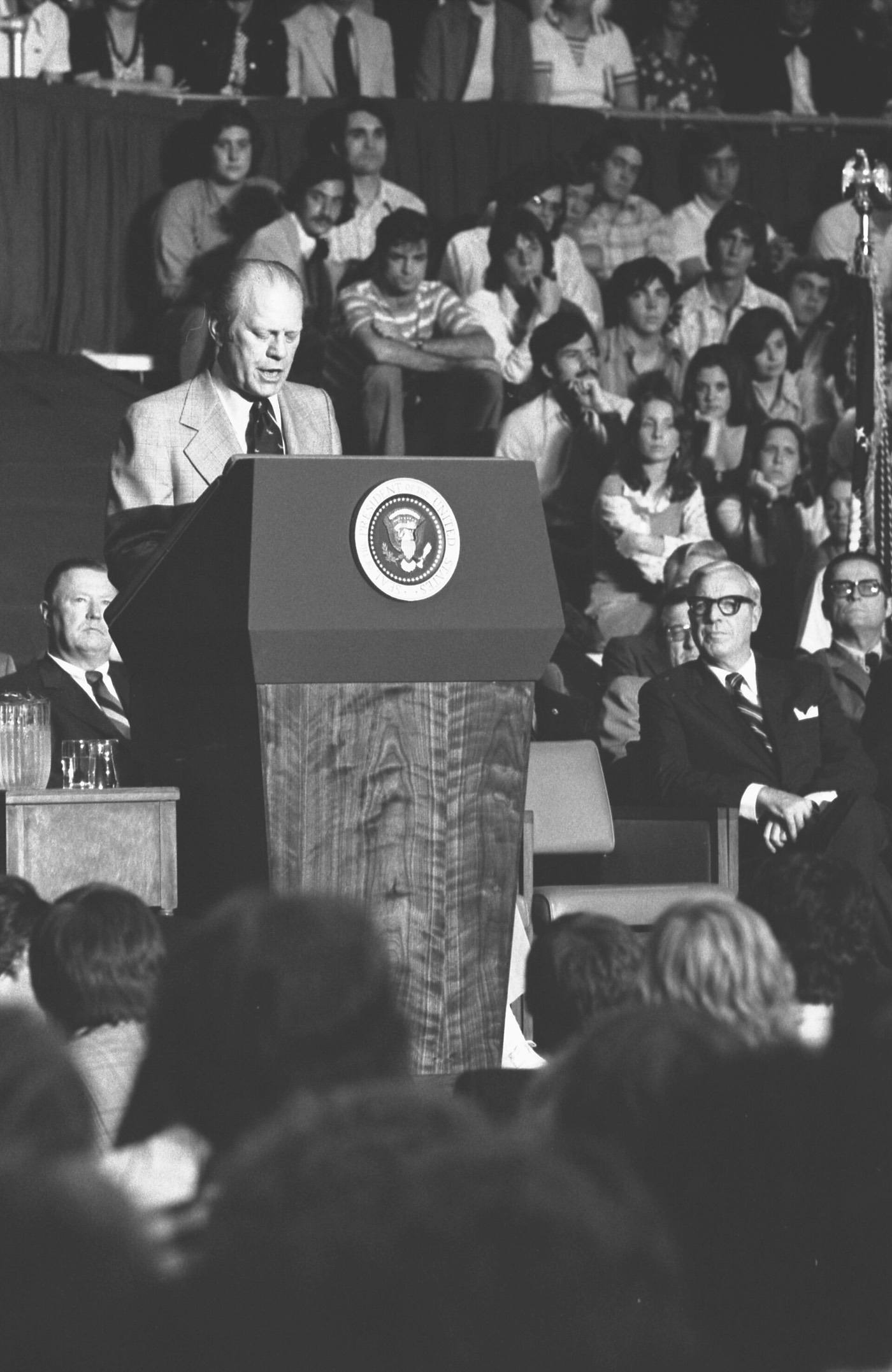
The Art of Gerrymandering
Redistricting has long been a tool for political maneuvering, allowing parties to draw electoral district boundaries in a manner that favors their candidates. This year, as states across the nation prepare for the redistricting process, we witness a peculiar phenomenon: both Democrats and Republicans are indulging in a collective amnesia regarding their own past practices. Each party condemns the other's efforts while conveniently ignoring their own tactical decisions made in previous cycles.
For instance, take the recent outcry from Democrats over Republican-led redistricting efforts. While it is certainly valid to critique the blatant manipulation of district lines to secure political advantage, it is worth remembering that Democrats have engaged in similar practices when in power. The selective memory displayed by party leaders is alarming, as it undermines the credibility of their arguments.

"Both parties are guilty of playing the redistricting game; the real question is whether we can move beyond partisan interests for the sake of democracy."
Partisan Politics at Play
Similarly, Republicans, who are currently in a position to capitalize on the redistricting process, have been vocal in their denouncement of any perceived unfairness from the Democrats. Yet, the GOP has not shied away from employing the same tactics when they held the reins. This cycle of hypocrisy raises a critical concern: will either party be willing to prioritize fair representation over political gain?
The implications of partisan redistricting extend far beyond the immediate electoral outcomes. They threaten the very foundation of democracy by marginalizing certain groups, often based on race or socioeconomic status. The 1965 Voting Rights Act sought to dismantle systemic barriers to voting, yet the manipulation of district lines continues to create new obstacles for disenfranchised communities.
The Call for Reform
As citizens become increasingly aware of these practices, the call for reform is growing louder. Many advocates argue for independent redistricting commissions that would take the power out of the hands of partisan legislators and place it in the hands of impartial entities. This approach could not only improve electoral fairness but also restore faith in the democratic process.
However, the resistance to such reforms is palpable. Both parties are reluctant to relinquish the power that comes with controlling district lines. The fear is that a loss of control may lead to unfavorable electoral outcomes, perpetuating the cycle of manipulation and mistrust. It is a sad commentary on our political culture when both sides prioritize power over principles.
"Until we confront our own biases and practices, the cycle of gerrymandering will continue to tarnish our democracy."
Conclusion
The bipartisan habit of selective memory regarding redistricting is not just an academic concern; it has real-world consequences for voters across the nation. The ongoing struggle for genuine representation cannot be resolved while both parties continue to engage in the same tactics they publicly denounce. It is time for political leaders to set aside their partisan interests and work towards a system that truly reflects the will of the people.
As we move forward, let us hope that the upcoming redistricting efforts will lead to a more equitable and representative political landscape. The stakes are too high for us to ignore this pressing issue, and the future of our democracy may depend on our willingness to hold both parties accountable.
✦ ✦ ✦