From the file. Written for the paper dated October 1970. Opened in the public stacks July 14, 2026.
Public clinics across the nation have been heralded as a beacon of hope for accessible healthcare, yet a closer examination reveals a troubling undercurrent of inefficiency and oversight failures that threaten their very purpose.
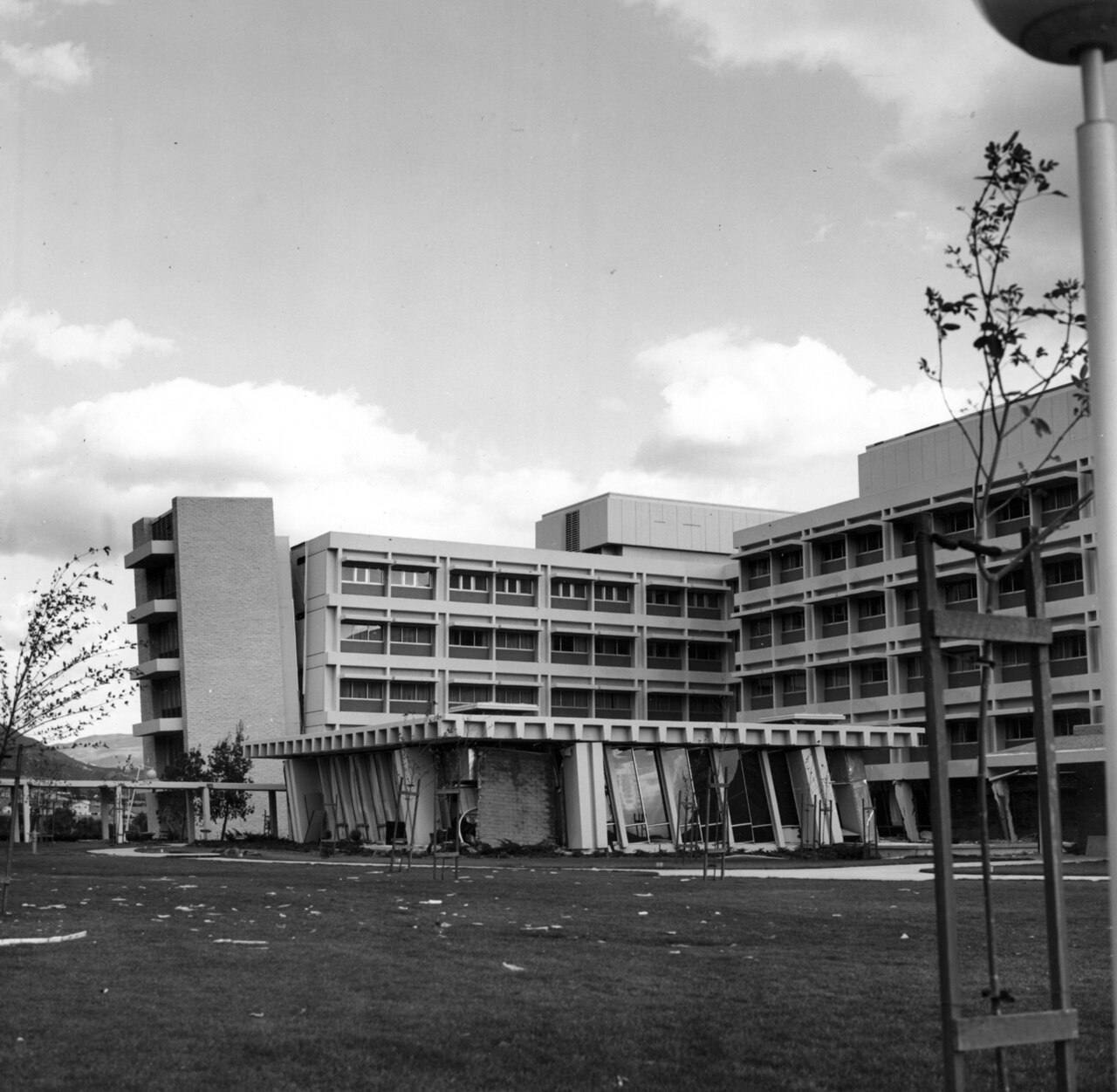
The Promise of Public Clinics
When the concept of public clinics emerged, it was met with fanfare and optimism. Advocates argued that these institutions would provide essential medical services to underserved populations, ensuring that no one would be turned away due to lack of funds. Yet, as October 1970 unfolds, the reality is beginning to paint a different picture. Reports from various clinics indicate a disjointed system plagued by bureaucratic inefficiencies and a lack of accountability.
A Disconnect Between Intent and Execution
While the intention behind public clinics is commendable, the execution often leaves much to be desired. Many clinics struggle with staffing shortages, inadequate funding, and a lack of coordinated care. Patients frequently encounter long wait times, subpar facilities, and a shortage of essential medical supplies.
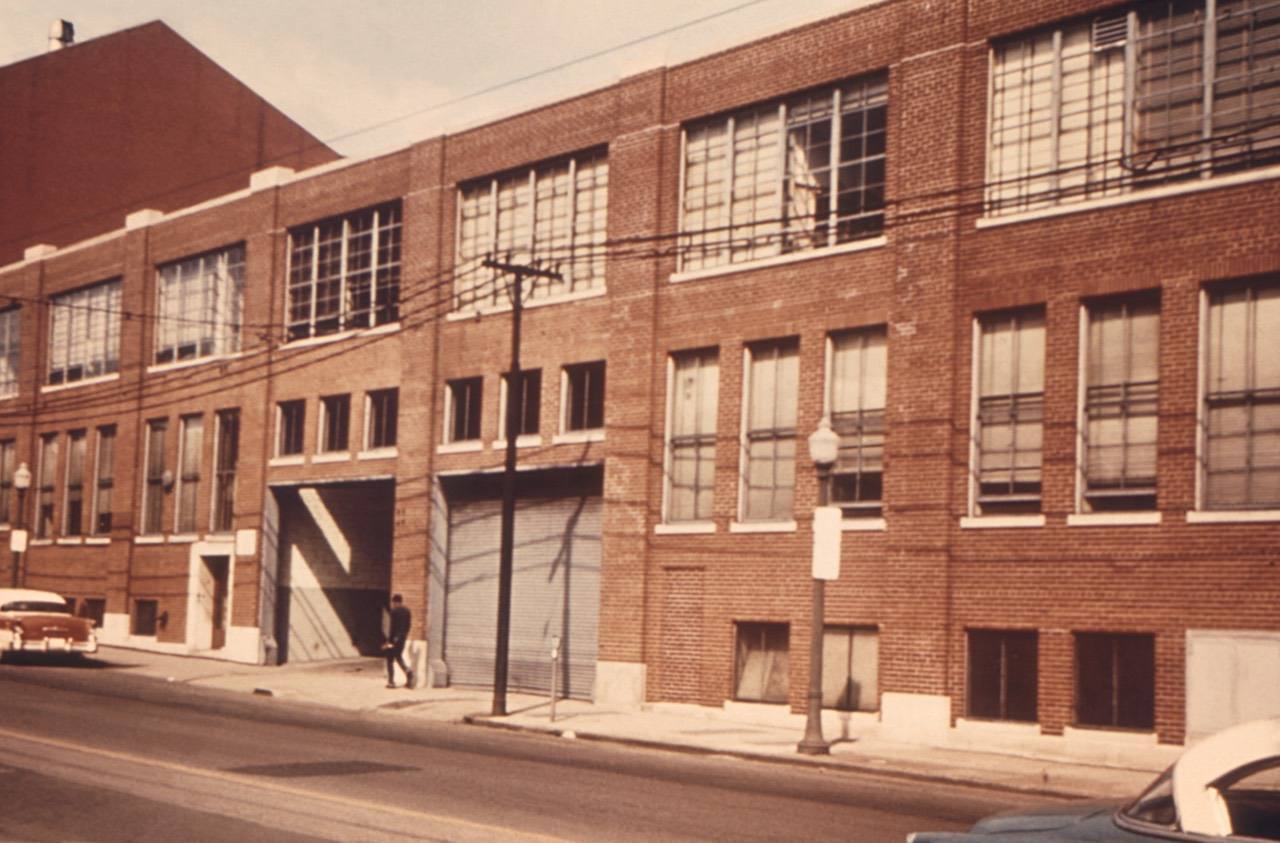
"It’s disheartening to see such potential wasted due to poor management and oversight. People’s health is at stake." - A local health advocate
For instance, in urban areas where the need is greatest, public clinics are often overwhelmed. Reports have surfaced of patients waiting hours for basic services, only to be met with insufficient care. The promise of immediate assistance falters when clinics cannot deliver on their commitments.
The Left's Vision vs. The Right's Reality
The discourse surrounding public healthcare has become a battleground between the left and right, with each side wielding its own narrative. Leftist advocates often paint a picture of a utopian healthcare system delivered through public clinics, where everyone has access to the care they need. However, the unvarnished reality is that many clinics fall short of these lofty ideals.
On the flip side, conservative critiques tend to be equally excessive, often dismissing public clinics as failures before they have had a fair chance to succeed. This rhetoric undermines genuine efforts to improve healthcare access for marginalized communities and overlooks the systemic issues that plague these institutions.
Oversight and Accountability
One of the most pressing concerns is the lack of oversight in the management of public clinics. Unlike private healthcare facilities that often face stringent regulations, many public clinics operate with little accountability. This absence of oversight can lead to mismanagement of funds and resources, creating a cycle of inefficiency that affects patient care.
Local health departments are tasked with monitoring these clinics, yet many are stretched thin themselves. The result is a system that allows for lapses in care and a failure to address the needs of the community effectively. Some clinics have reported using outdated medical equipment or relying on volunteers to fill gaps left by underfunded staffing. This is hardly the standard patients should expect from a public healthcare system.
The Road Ahead
As advocates continue to push for reforms, it is imperative that we strike a balance between idealism and realism. The left must acknowledge the failures of the current system and advocate for practical solutions rather than utopian visions. Meanwhile, the right must recognize the importance of public health initiatives and support efforts to improve existing clinics rather than dismissing them outright.
"We need to focus on building a system that actually works, not just arguing about one that doesn’t." - A healthcare policy analyst
In the coming months, it will be crucial for local governments and health organizations to come together to address these issues head-on. Increased funding, better management practices, and a commitment to accountability are essential steps in ensuring that public clinics can fulfill their promise. The health of our communities depends on it.
Conclusion
The promise of public clinics is a noble one, but it is a promise that must be backed by action. If we allow political rhetoric to overshadow the real work that needs to be done, we risk leaving our most vulnerable citizens behind. The quiet failure of oversight in public clinics may not make headlines, but it is a pressing issue that demands our attention and action.
✦ ✦ ✦