From the file. Written for the paper dated September 1970. Opened in the public stacks July 14, 2026.
In the complex world of commerce, few topics have garnered as much attention and debate as oil prices. This week, the fluctuations in oil prices have become a focal point, revealing the stark contrasts in perspectives held by both the right and the left. As we delve into the current state of oil prices, it is essential to examine the underlying forces at play and the reactions they have provoked.
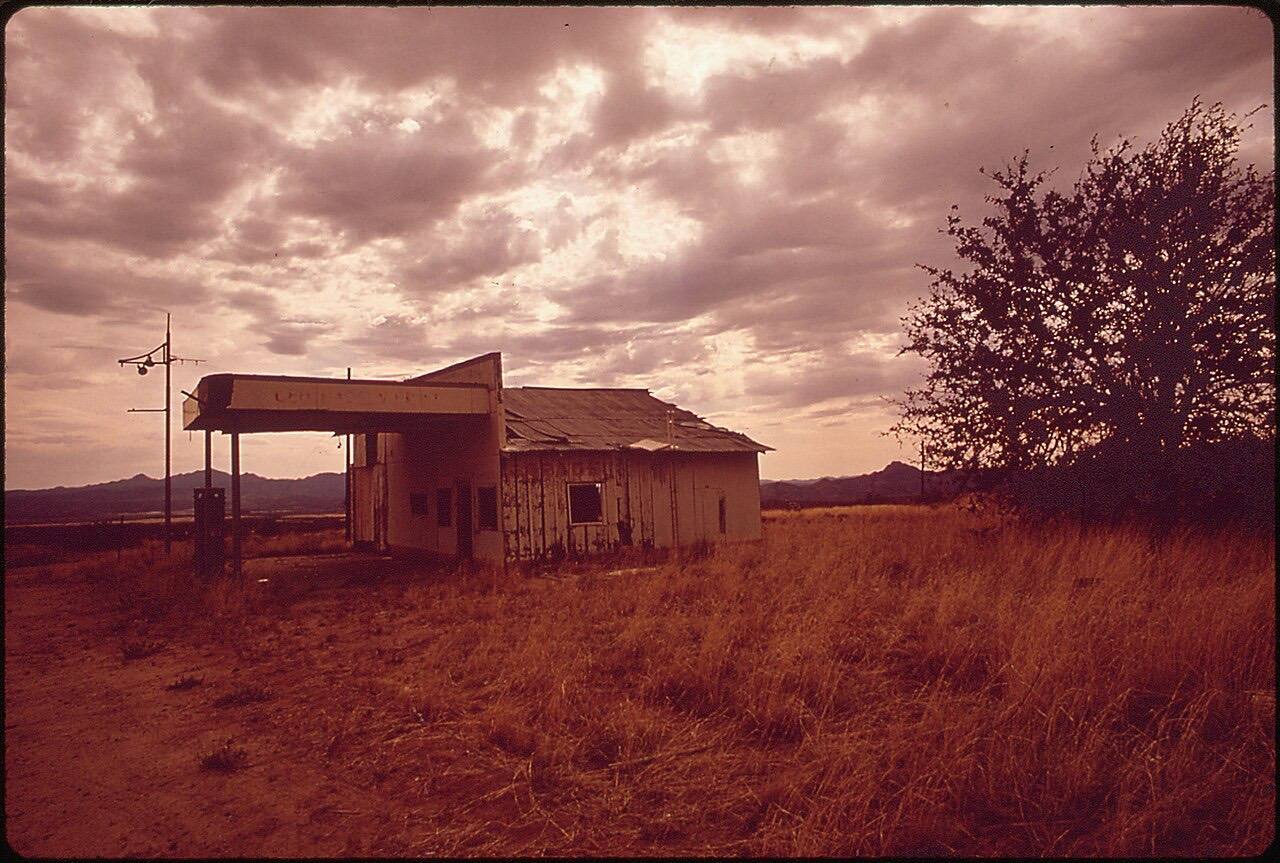
Current Oil Price Trends
The oil market has witnessed a degree of volatility this week, with prices shifting in response to various geopolitical and economic factors. As of now, oil prices have seen a slight uptick, a reflection of ongoing tensions in the Middle East and the uncertain future of supply. Analysts attribute this increase to both demand pressures and the prospect of potential shortages. While some view this as a natural market response, others see it as a harbinger of economic instability.
Leftist Perspectives on Oil Prices
On the left, there is a growing chorus of voices advocating for a shift away from fossil fuels altogether. Environmentalists and progressive activists argue that the continual rise in oil prices is merely a symptom of a deeper malaise - a dependence on a resource that is both finite and environmentally destructive. They call for a transition to renewable energy sources, asserting that investing in solar, wind, and other sustainable technologies would not only combat climate change but also stabilize prices in the long run.
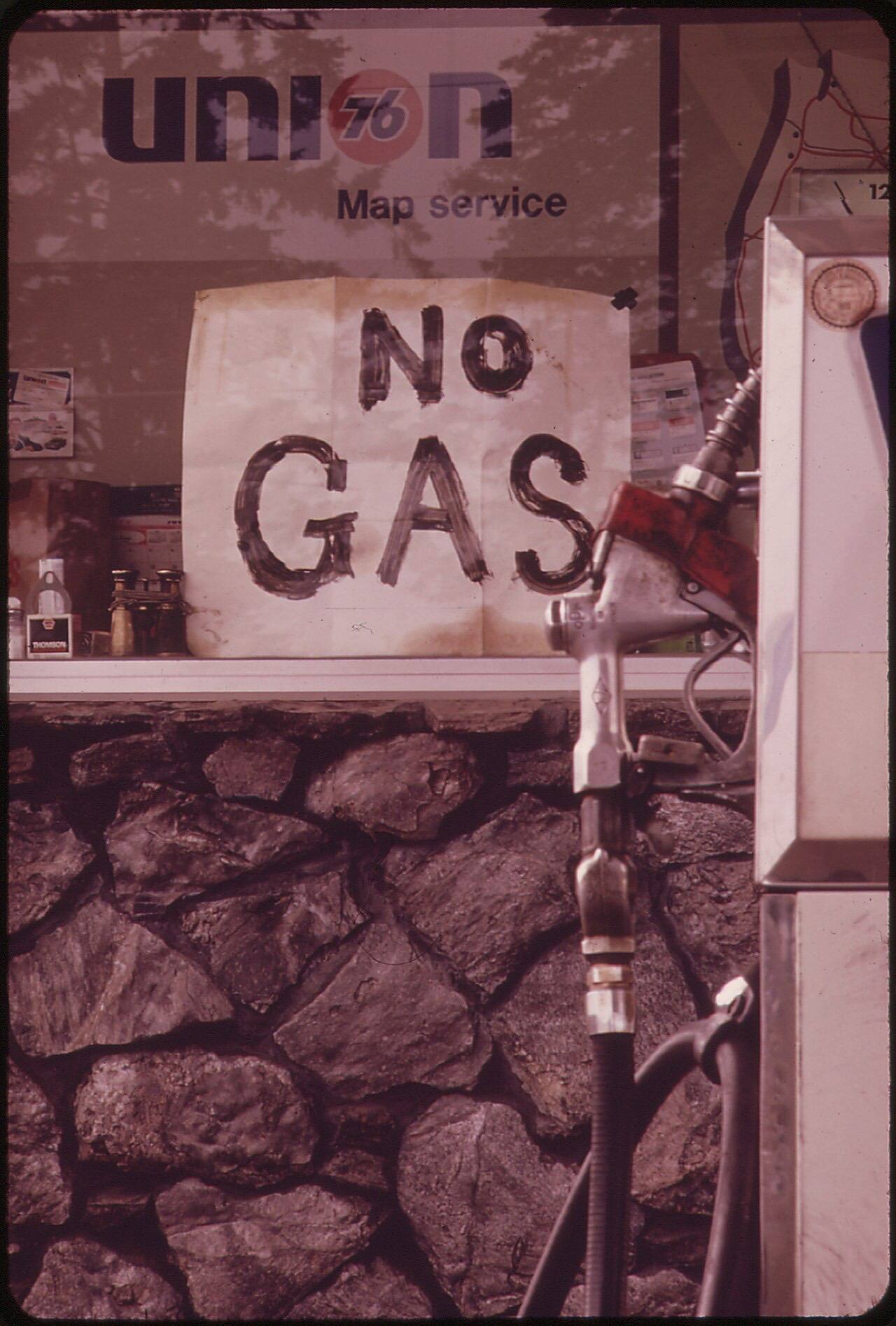
“The solution is clear; we must break our addiction to oil before it breaks us.”
However, this idealism often overlooks the immediate realities faced by workers and industries reliant on oil. While the left's call for sustainability is commendable, it can sometimes seem disconnected from the economic consequences of abrupt transitions. The challenge lies in finding a balance between environmental responsibility and economic viability.
Right-Wing Reactions and Concerns
Conversely, the right has responded to rising oil prices with an emphasis on domestic production and energy independence. Many conservative commentators argue that the current pricing crisis is a direct consequence of government intervention and regulation, which they claim stifles exploration and drilling. They advocate for policies that would deregulate the energy sector, allowing for increased production and, ultimately, lower prices at the pump.
“We need to unleash American ingenuity and resources to ensure our energy security.”
However, such rhetoric often overlooks the environmental costs associated with increased drilling and production. The right's focus on short-term economic gains can lead to a disregard for the long-term implications of fossil fuel dependency. As the fossil fuel industry continues to hold sway over American energy policy, the potential for a more sustainable energy future remains stunted.
A Middle Ground? Finding Balance in Energy Policy
In the midst of these polarized viewpoints, there lies an opportunity for a more pragmatic approach to energy policy. Rather than pitting economic growth against environmental stewardship, stakeholders on both sides of the aisle must collaborate to forge a path toward a more balanced energy future. This means acknowledging the need for immediate economic stability while simultaneously investing in long-term sustainability.
Such a middle-ground position could involve a phased approach to reducing our reliance on fossil fuels, allowing time for industries and workers to adapt. This would not only mitigate the economic shocks associated with rapid transitions but also ensure that environmental concerns are addressed in a meaningful way.
Conclusion: Navigating the Future of Oil Prices
As we continue to monitor the fluctuations in oil prices, it is crucial to recognize the complexities of the issue. The debates surrounding energy policy are not merely ideological battles; they have real-world implications for millions of Americans. The challenge lies in finding a path that respects both economic needs and environmental imperatives.
Ultimately, the way forward will require open dialogue and cooperative solutions that transcend partisan divides. It is only through collaboration that we can hope to achieve a sustainable energy future that benefits all Americans.
✦ ✦ ✦