From the file. Written for the paper dated August 1970. Opened in the public stacks July 14, 2026.
In a nation where the automobile represents freedom and prosperity, the auto industry finds itself at a crossroads, caught between the demands of consumers, labor, and the ever-present specter of government regulation.

The Unspoken Dilemma
The auto industry is not merely a collection of manufacturers and retailers; it is a complex ecosystem that affects millions of lives and livelihoods. Yet, amidst the clamor for better cars, higher wages, and stricter environmental standards, there lies a procedure few dare to discuss openly - the delicate balance between innovation, production, and profit.
As labor strikes and negotiations dominate the headlines, the voices of workers are often echoed in the halls of power. Unions have become a formidable force, advocating for better wages and working conditions. However, while their goals are commendable, the consequences of excessive demands can lead to unintended repercussions for both the industry and consumers. An increase in labor costs could translate to higher prices for the average buyer, causing a ripple effect that may stifle sales and ultimately harm the very workers unions aim to protect.
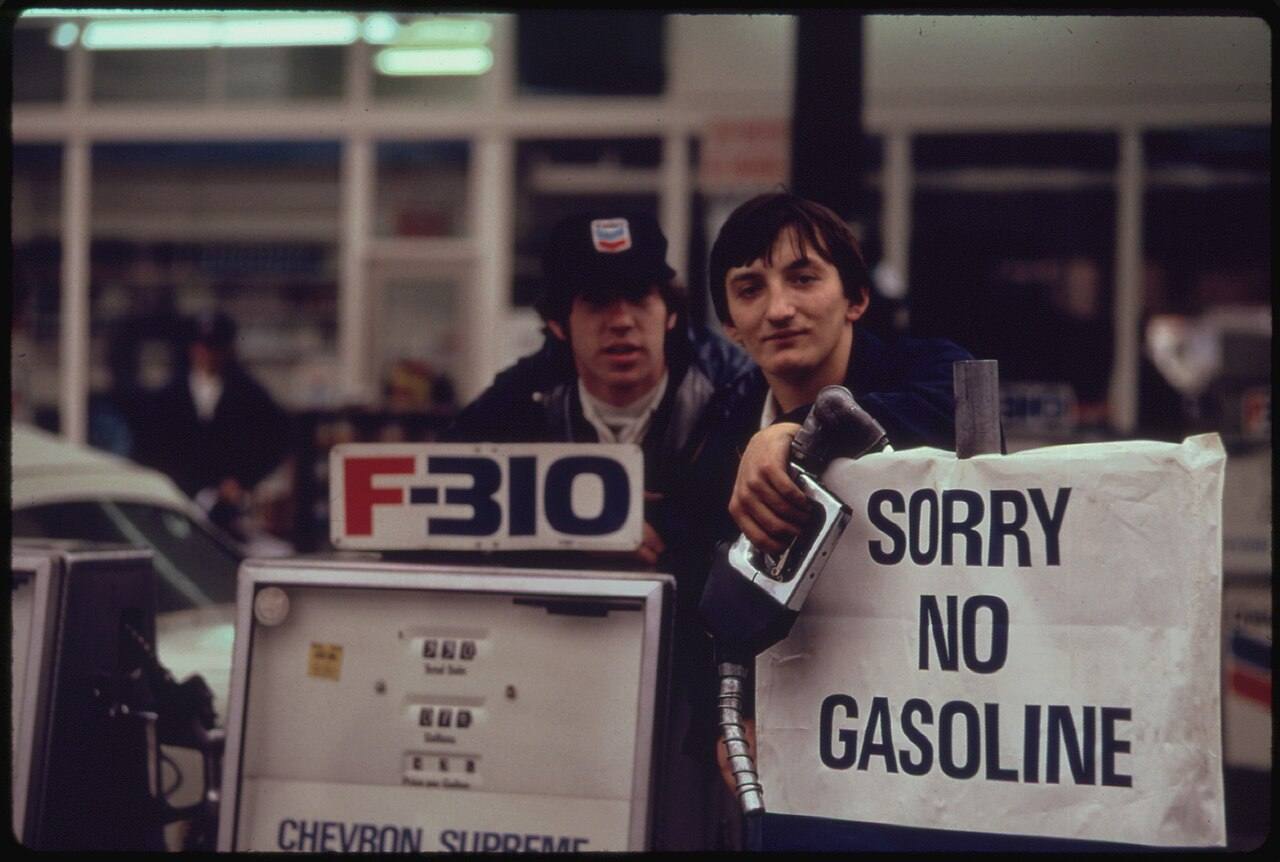
On the other side of the spectrum, we see manufacturers grappling with the dual pressures of consumer expectations and regulatory mandates. The push for more fuel-efficient vehicles is commendable, yet the resources required for research and development are vast. Companies are forced to make tough decisions - either invest heavily in new technology at the risk of short-term profitability or continue to produce existing models that may not meet the future demands of a more environmentally-conscious consumer base.
"In the quest for progress, we must not forget the balance between innovation and sustainability."
The Role of Government Regulation
Government intervention has become a significant player in this equation. The introduction of safety regulations and emissions standards can be seen as a necessary step towards protecting consumers and the environment. Yet, the implementation of these regulations often comes without adequate consideration for the economic implications. Smaller manufacturers may struggle to comply, leading to a consolidation of the industry that could ultimately reduce competition and choice for the consumer.
Moreover, the heavy hand of regulation can stifle innovation. If automakers are bogged down by compliance costs, they may be less likely to invest in groundbreaking technologies that could change the industry landscape. The challenge lies in finding a middle ground where safety and environmental concerns are addressed without choking off the very creativity that drives the automotive sector.
Consumer Responsibility
Amidst this swirling sea of pressures, consumers also have a role to play. The call for more fuel-efficient cars is not just a demand but a responsibility. As buyers, we must consider the implications of our choices. Opting for larger vehicles may provide a sense of security and space, but it also contributes to a growing environmental problem. The question becomes: how much are we willing to sacrifice for convenience?
Additionally, the tendency to prioritize immediate gratification over long-term sustainability raises concerns. Are we willing to invest in vehicles that may cost more upfront but promise greater efficiency and longevity? The collective mindset must shift to recognize that our choices today will shape the industry of tomorrow.
A Call for Balance
As we navigate these complex waters, it is essential for all parties involved - the automakers, labor unions, government, and consumers - to engage in a dialogue that emphasizes balance. The auto industry is at a pivotal moment, and the decisions made today will have lasting implications.
This is not merely a matter of profits and losses but a reflection of our values as a society. Are we willing to embrace change and innovation while also safeguarding the interests of workers and the environment? Or will we fall prey to excesses - on one hand, labor demands that jeopardize the industry and, on the other, regulations that stifle creativity?
In this age of progress, let us strive for a collaborative approach that respects the needs and aspirations of all stakeholders. The auto industry must not become a battlefield of extremes; rather, it should serve as a model for how we can collectively navigate the challenges of our time.
✦ ✦ ✦