From the file. Written for the paper dated July 1970. Opened in the public stacks July 14, 2026.
As the fallout from the recent State of the Union address continues to reverberate across the political landscape, it is essential to peel back the layers of rhetoric and spectacle to reveal the underlying mechanisms that drive our national discourse.
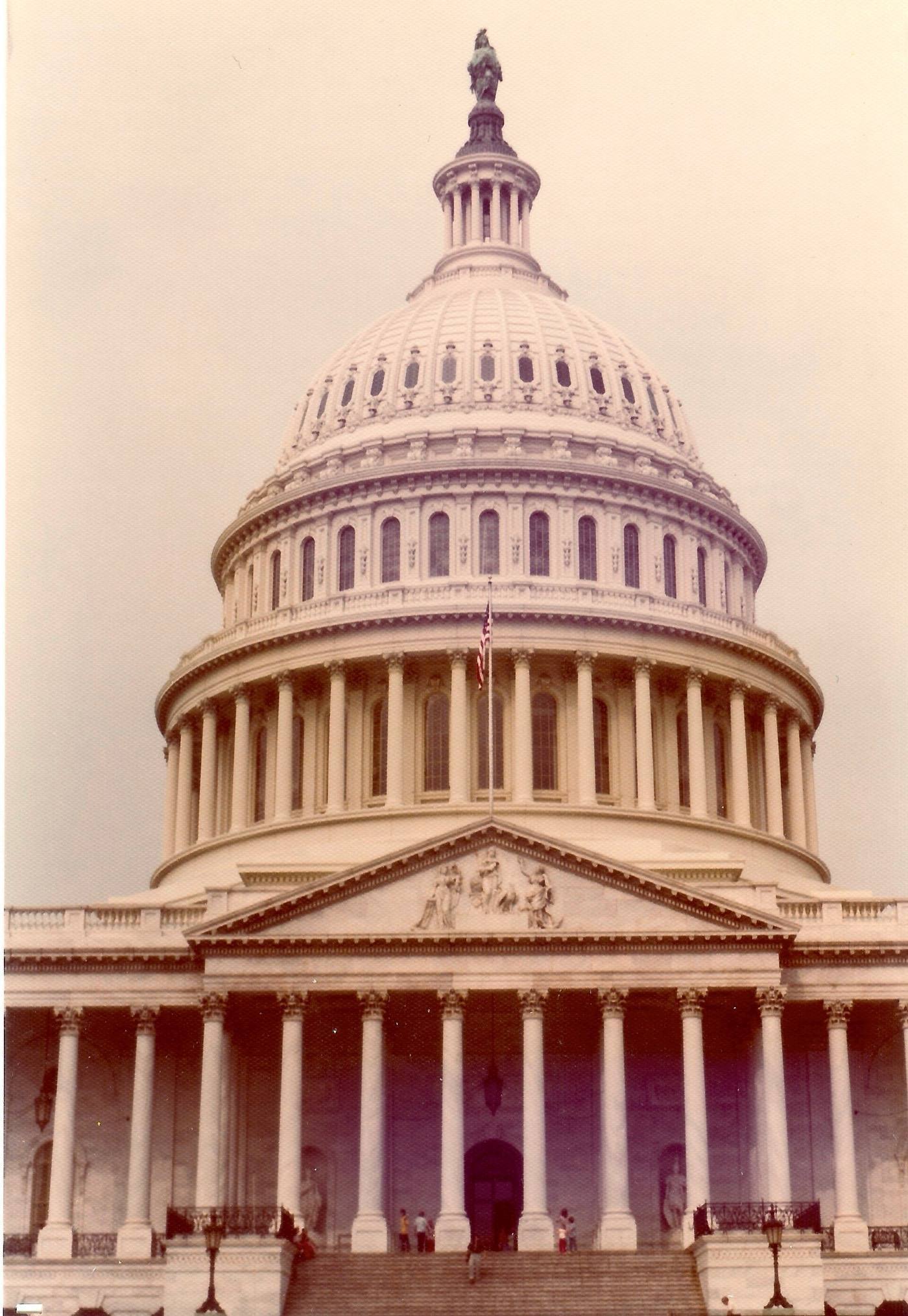
The Political Theater
The annual State of the Union address has become a hallmark of American democracy, a theatrical display where the President lays out his agenda while Congress and the public watch in rapt attention. However, this spectacle often overshadows the actual substance of the address, creating a cacophony of reactions that can drown out meaningful dialogue. In a nation increasingly polarized, both left and right appear more interested in scoring political points than engaging in constructive conversations.
"The noise often distracts from the real issues at hand, with each side playing to their bases rather than seeking common ground."
From the left, we see a fervent push for progressive reforms that seek to address systemic injustices, including civil rights, environmental protections, and healthcare access. Yet, this zeal can sometimes lead to a tone deafness regarding the realities of governance and the complexities of compromise. Idealism, while admirable, can quickly turn into dogmatism, alienating potential allies and undermining the very reforms they wish to enact.
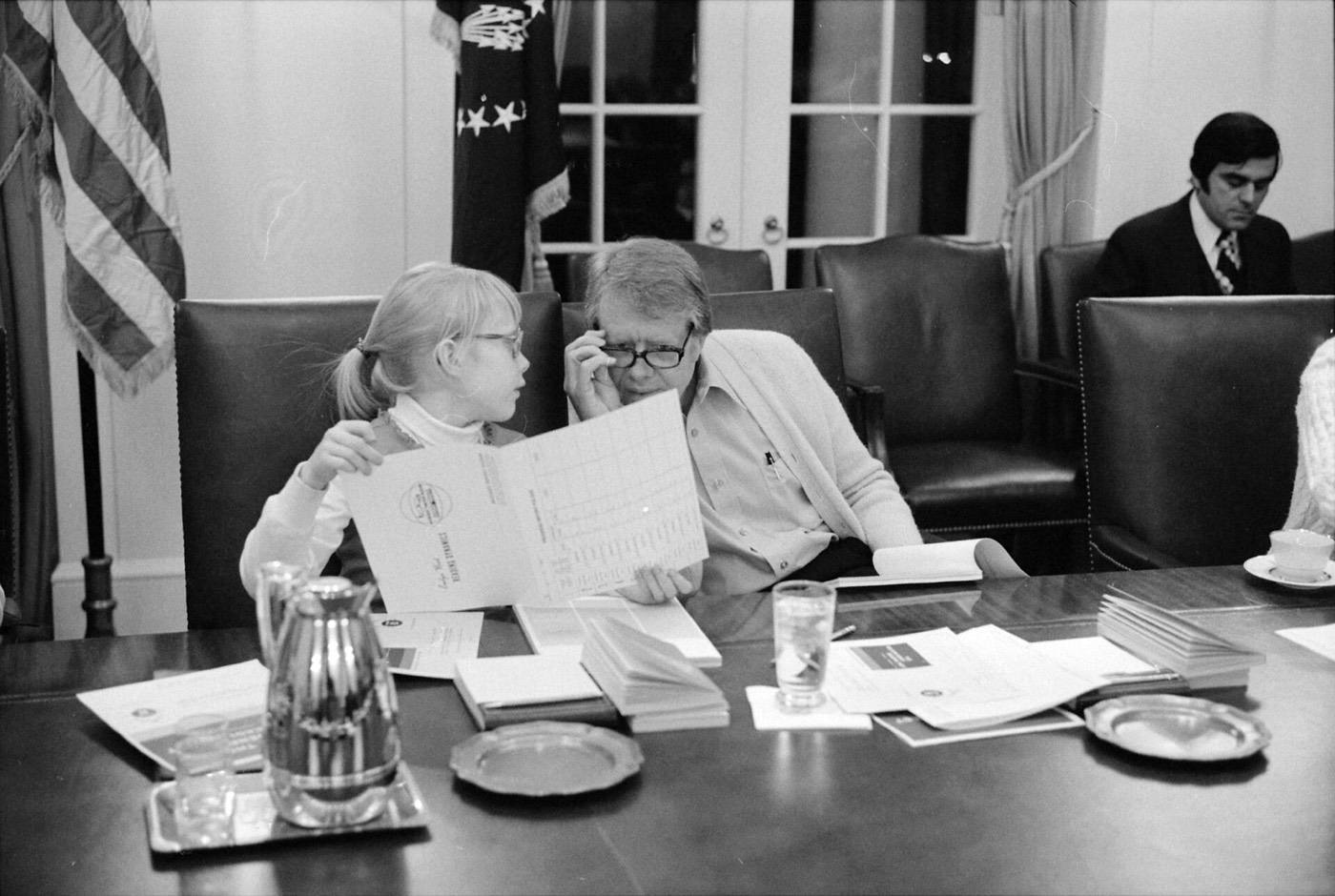
On the right, there is a tendency to retreat into a fortress mentality, where any attempt at dialogue with the opposition is seen as capitulation. This "us versus them" mentality stifles the possibility of bipartisan cooperation, as evidenced by the reaction to the President’s proposals, which are often dismissed outright without consideration. The right's fixation on tax cuts and deregulation, while appealing to their base, ignores the pressing social issues that require urgent attention.
The Mechanisms of Distraction
What emerges in this environment is a political mechanism that favors noise over substance. The media landscape thrives on sensationalism, with headlines designed to provoke outrage rather than promote nuanced discussion. Pundits and commentators often amplify this cycle, emphasizing conflict over collaboration, and leading their audiences to believe that compromise is a sign of weakness rather than a necessary element of democracy.
The result is a national conversation that frequently feels more like a shouting match than a deliberative process. The emphasis on immediate and often extreme reactions to the State of the Union reflects a broader trend in our political culture, where the loudest voices drown out reasoned debate. This dynamic not only frustrates lawmakers attempting to navigate the complexities of governance but also disheartens citizens yearning for genuine leadership.
Finding Common Ground
Amidst this polarization, there remains a glimmer of hope for a more constructive discourse. Many Americans are tired of the extreme rhetoric that dominates the airwaves and long for a return to civility in politics. Grassroots movements are emerging, advocating for unity and collaboration across party lines. These movements remind us that the fabric of our democracy is woven from diverse perspectives, and that progress often requires compromise.
"The true strength of our democracy lies not in our differences but in our ability to come together for the common good."
In this context, it is crucial for leaders on both sides of the aisle to recognize the value of dialogue. While the political stakes are high, the stakes for the American people are even higher. It is the responsibility of our elected officials to rise above the din of partisanship and to prioritize the needs of their constituents over the allure of political gamesmanship. This requires not only a willingness to listen but also a commitment to engaging in the hard work of governance.
The Path Forward
As we move forward from this State of the Union address, let us challenge ourselves to look beyond the immediate noise and to focus on the mechanisms that govern our political landscape. The true test of our democracy lies not in how loudly we can express our grievances but in our ability to forge a path that respects differing opinions while striving for collective progress.
✦ ✦ ✦