From the file. Written for the paper dated July 1970. Opened in the public stacks July 14, 2026.
In a world increasingly aware of health issues, the recent spate of food safety recalls has spotlighted an often-overlooked mechanism designed to protect consumers. While many react with alarm at the news of contaminated products, the process behind these recalls is a complex, yet crucial, aspect of food safety.
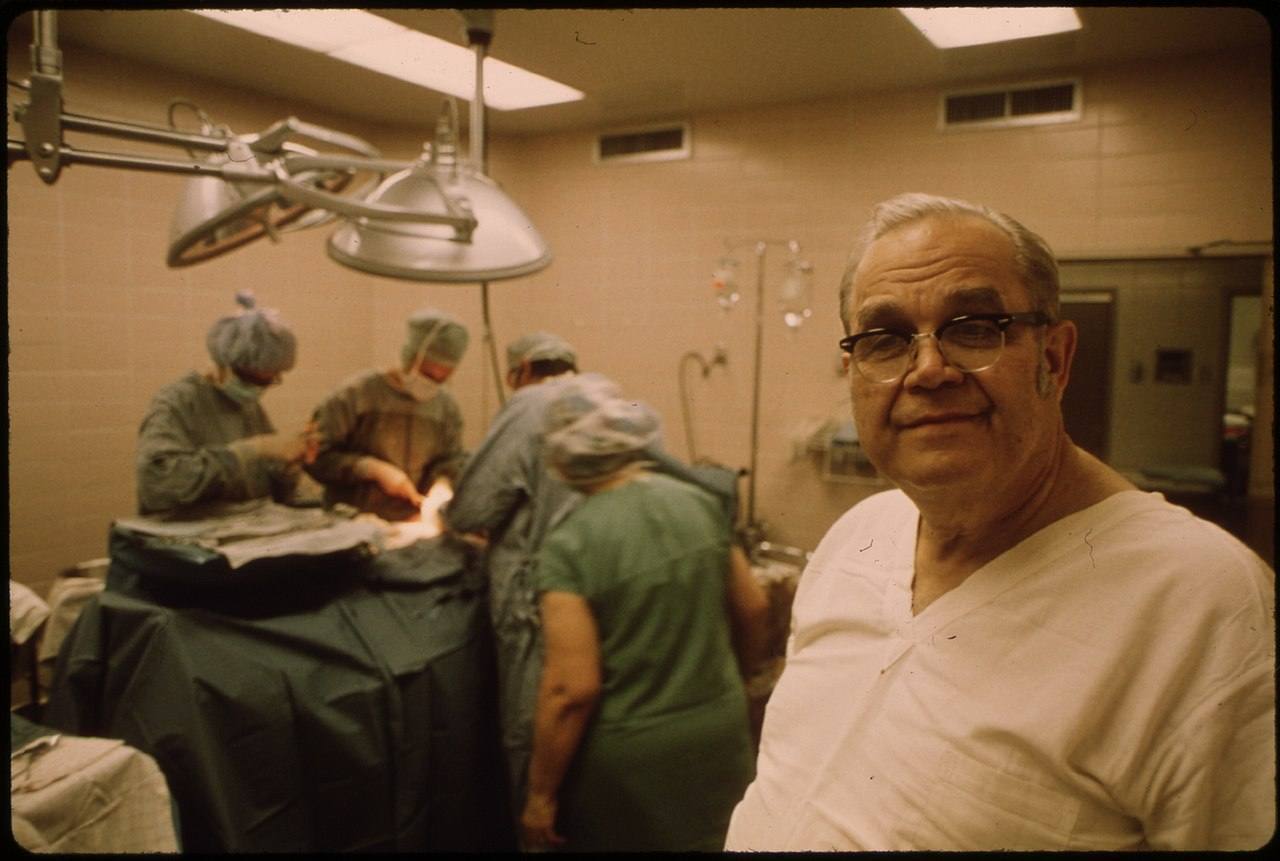
The Recall Process: A Workhorse Behind the Scenes
When a food product is found to be contaminated or unsafe, the call for a recall is triggered. This action, while it may seem dramatic, is a systematic response that involves numerous stakeholders, from government agencies to the food manufacturers themselves. The Food and Drug Administration (FDA) plays a pivotal role in this process, monitoring reports of contamination and coordinating with manufacturers to ensure that potentially dangerous products are swiftly removed from the market.
The recall mechanism is built on a foundation of regulations and guidelines that have evolved over decades. While the system is often criticized for its reactive nature, it does provide a vital safety net for consumers. In many cases, recalls are initiated after reports from consumers or health professionals alert the FDA to potential issues. Once a problem is identified, the agency works quickly to assess the situation and inform the public.

"While it may seem that recalls are a failure of the system, they are, in fact, a testament to its effectiveness."
Critics often argue that the system is flawed, and in some instances, this is true. However, it is important to recognize that the very existence of food recalls highlights the diligence of monitoring agencies and the responsibility of food producers. A recall may evoke fear and frustration among consumers, yet it is a necessary step in ensuring food safety.
The Role of the Media: Amplifying the Alarm
The media plays a crucial role in the recall process, acting as a conduit between the agencies and the public. In an age where information is disseminated rapidly, news of a recall can spread like wildfire, often leading to panic. Left-leaning outlets tend to emphasize the dangers of corporate negligence, spotlighting the failures of producers to safeguard public health. Meanwhile, right-leaning perspectives may argue that such recalls are symptomatic of an overreaching government meddling in the free market.
This polarization in reporting does little to help the public navigate the reality of food safety. Sensational headlines often overshadow the more mundane but critical details of how recalls are conducted and the procedures in place to prevent future occurrences. As a result, consumers may find themselves caught in a whirlwind of fear and misinformation, rather than understanding the mechanisms that are designed to protect them.
Consumer Response: A Double-Edged Sword
Consumer reactions to recalls can be varied. On one hand, many individuals appreciate the transparency of the recall process and the efforts made by regulators to keep them safe. On the other hand, there is often a knee-jerk reaction of distrust toward food manufacturers and the government. This mistrust can lead to a broader skepticism of the food industry, resulting in a shift toward organic or locally sourced products.
This shift, while beneficial in some instances, can also lead to a dangerous oversimplification of food safety issues. Not all organic products are free from contamination, and local producers are not immune to the same risks that plague larger corporations. The reality is that food safety is an intricate web of practices, regulations, and consumer behaviors, and reducing it to a binary choice between big corporations and small farms fails to capture the complexity involved.
The Path Forward: Striking a Balance
The conversation around food safety must evolve beyond the extremes of left and right. As we delve deeper into the mechanisms behind recalls, it becomes clear that a collaborative approach is essential. Food producers, regulators, and consumers must work together to foster a system that prioritizes safety without sacrificing innovation or market freedom.
Regulatory agencies need to continue refining their processes, ensuring that they remain responsive and effective in the face of emerging challenges. Simultaneously, food manufacturers must take proactive measures to ensure their products meet safety standards, rather than waiting for a crisis to occur. This proactive stance can help mitigate the need for recalls and restore consumer confidence in the food supply.
✦ ✦ ✦