From the file. Written for the paper dated July 1970. Opened in the public stacks July 14, 2026.
In a world increasingly captivated by the urgent cries of protest and the fervent debates surrounding civil rights, environmentalism, and the Vietnam War, the aging population remains a quieter, yet equally pressing concern lurking beneath the surface of public discourse. This demographic shift is often overshadowed by the sensationalism that surrounds today's political climate, yet its implications are profound and deserving of our attention.

The Quiet Crisis
The United States is on the brink of a demographic transformation. With advancements in healthcare and living conditions, people are living longer, healthier lives. However, this increase in life expectancy raises questions that demand our consideration: How will society accommodate an aging population? What resources will be necessary to care for these individuals? And most importantly, how will we redefine our social structures to support a growing number of older citizens?
The noise generated by various factions in our society often drowns out the nuanced discussions surrounding the aging population. On one hand, there are those who advocate for immediate and comprehensive reforms in healthcare systems to provide for the elderly. This camp rightly argues that the current system falls short in meeting the needs of an aging demographic. Yet, the push for reform can sometimes veer into the territory of excess, calling for sweeping changes that threaten to disrupt the stability of existing healthcare frameworks.
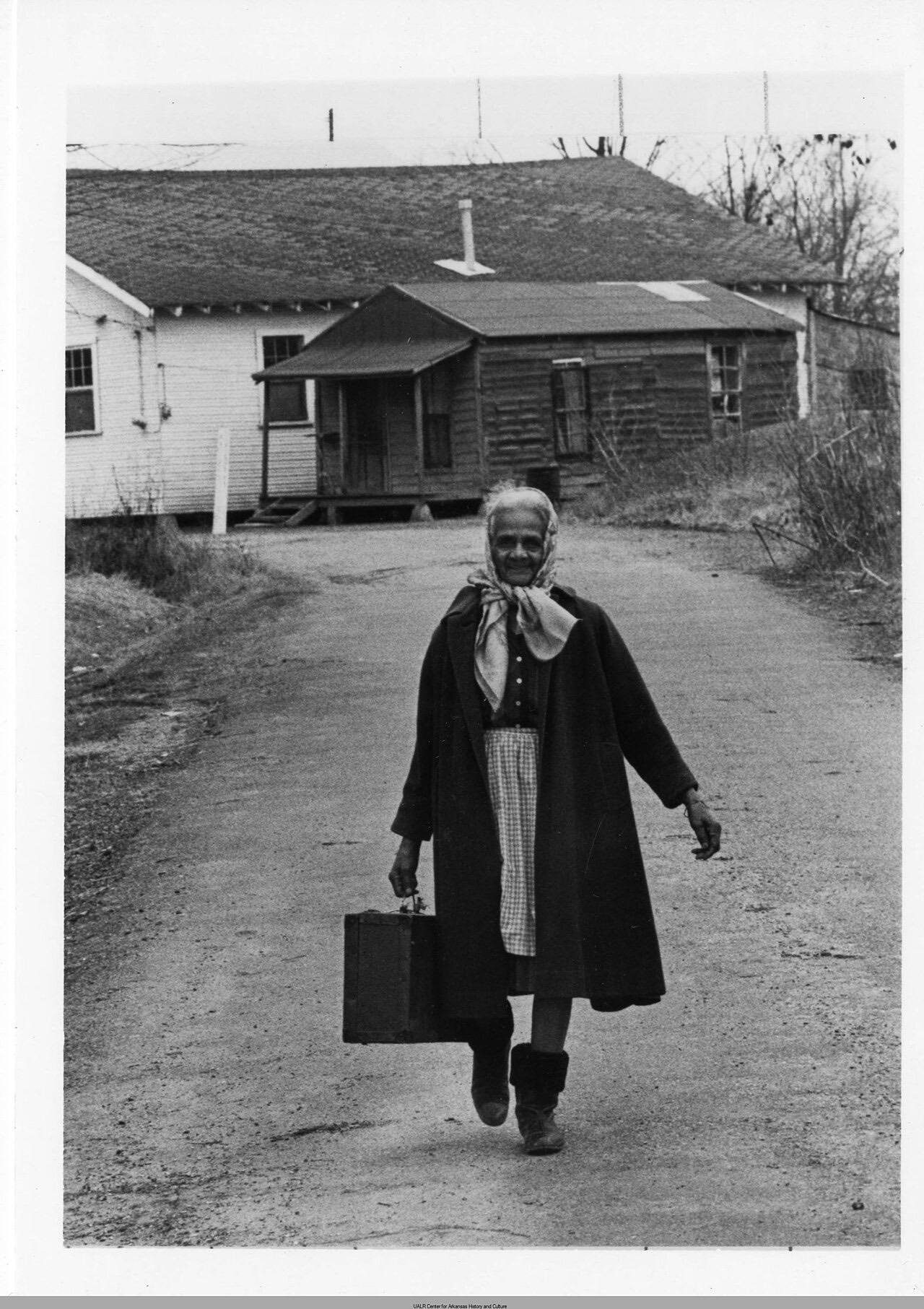
Conversely, there are voices on the right who insist that the aging population should not be seen as a burden. They argue that with proper policies, the elderly can contribute significantly to society and the economy. While this perspective offers a refreshing counter-narrative, it often downplays the very real challenges posed by an increasing number of citizens requiring extensive care and support. Both sides risk oversimplifying a complex issue that requires careful consideration and thoughtful dialogue.
The Economic Implications
One of the most pressing concerns associated with an aging population is the economic impact. As the number of retirees grows, so does the burden on social security systems and healthcare services. The question of how to fund these programs without placing undue strain on younger generations is a contentious one. Advocates for the elderly often argue for increased taxes on the working population, while opponents fear that such measures could stifle economic growth.
This ideological battle reflects a broader trend in our society, where both sides are often quick to demonize the other rather than engage in constructive dialogue. The left champions expanded social programs, yet sometimes fails to acknowledge the fiscal realities that come with such proposals. Meanwhile, the right prioritizes fiscal responsibility but can appear callous when addressing the needs of vulnerable populations. This disconnect leads to a stalemate that ultimately hampers progress on an issue that affects millions.
Healthcare Challenges
Healthcare remains at the forefront of discussions regarding the aging population. Many older adults face chronic health conditions that require ongoing treatment and management. The system we have in place is often ill-equipped to handle the influx of patients with complex needs. The left’s push for universal healthcare, while noble, sometimes overlooks the logistical challenges of implementation, including potential shortages of medical professionals and facilities.
On the other hand, there are those who argue for a more market-driven approach, contending that competition will lead to better care. However, this perspective fails to account for the inherent inequalities in access to healthcare, particularly for the elderly who may not have the financial resources to navigate such a system. As both camps dig in their heels, the urgent needs of an aging population continue to go unaddressed.
“The aging population is not just a demographic statistic; it is a call to action that demands our attention and cooperation.”
Social Integration
The social implications of an aging population are equally significant. As more individuals reach their golden years, society must grapple with issues of isolation and loneliness that often accompany aging. Both the left and the right propose solutions, yet the approaches differ widely. The left emphasizes community programs and government initiatives aimed at fostering social connections, while the right often champions individual responsibility and private sector solutions.
While each side presents valid points, the reality is that neither approach alone will suffice. A multi-faceted strategy that incorporates community engagement, government support, and private initiatives may be the most effective way to address the growing issue of social isolation among the elderly. However, this requires compromise and collaboration - qualities that are often in short supply in today’s polarized climate.
Conclusion
The aging population represents a significant challenge and opportunity for our society. As we navigate the complexities of this demographic shift, it is imperative that we move beyond the partisan bickering that has come to dominate our political landscape. The issues at hand require thoughtful discussions that transcend ideological divides, recognizing that the needs of the elderly are not a political football to be kicked around for the sake of gaining an advantage.
In the end, the future well-being of our aging population will depend on our ability to engage in productive dialogue, seek common ground, and work collaboratively towards solutions that benefit all members of society. Only then can we ensure that the noise surrounding the aging population is met with the appropriate attention and action it so desperately deserves.
✦ ✦ ✦