From the file. Written for the paper dated June 1970. Opened in the public stacks July 14, 2026.
As the debate over health care continues to rage across the nation, public clinics stand as a testament to the ongoing conflict between ideology and practical solutions - offering care without the distractions of political posturing.
The Landscape of Public Clinics
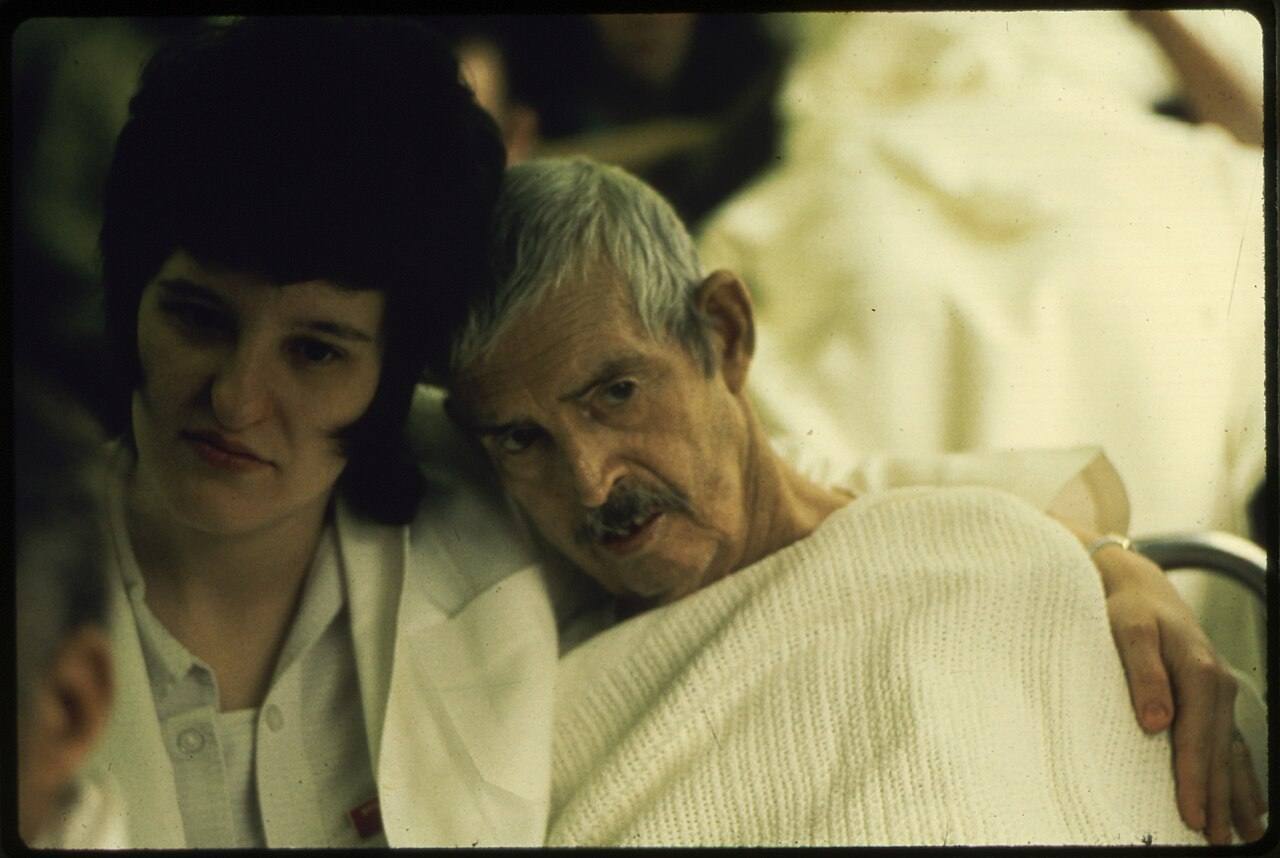
In recent months, public clinics have emerged as a vital resource for many Americans, especially those on the fringes of society who struggle to access quality health care. These clinics are not just a stopgap but a lifeline for low-income families, the elderly, and others who are often overlooked in the national discourse on health care. However, the success of these clinics raises critical questions about our broader health care system and the political ideologies that underpin it.
On one hand, proponents of public clinics argue that they are an essential part of a compassionate society, one that prioritizes the well-being of its citizens over profit margins. They advocate for expanded funding and resources, emphasizing that access to medical care should be a right, not a privilege. Critics, however, often label these clinics as emblematic of a government overreach that could lead to a slippery slope of socialized medicine - a charge that is both exaggerated and misinformed.
Evidence Before Identity
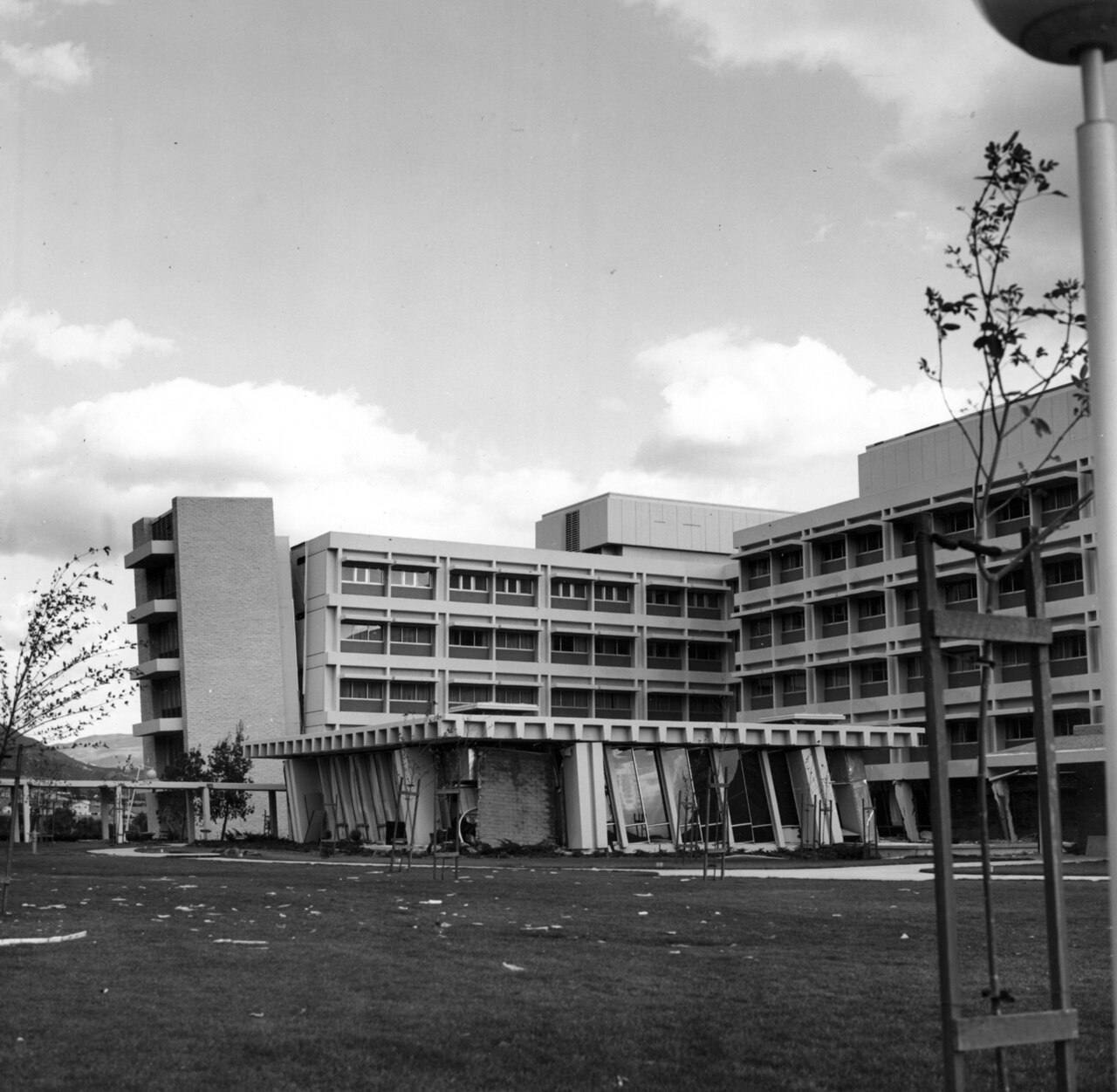
What is often overlooked in this debate is the evidence that demonstrates the efficacy of public clinics. Numerous studies have shown that these facilities not only provide necessary medical services but do so at a lower cost than traditional healthcare models. They focus on preventive care, which can reduce the strain on hospitals and emergency rooms. This evidence, however, is often overshadowed by the ideological battles between left and right.
On the left, there is a tendency to rally around the idea of universal health care without adequately addressing the complexities of implementation. While the vision of health care for all is noble, it risks becoming a rallying cry devoid of actionable steps. Conversely, the right often dismisses the merits of public clinics altogether, branding them as mere extensions of government control. This dismissal ignores the real, tangible benefits that these clinics provide to communities. The reality lies somewhere in between: a need for reform that respects individual choice while also ensuring access to necessary services.
"It is essential to recognize that health care is not merely a political issue but a human one." - Health Advocate
A Mixed Bag of Support
Interestingly, support for public clinics transcends traditional political boundaries. Many conservatives recognize the importance of these facilities in their communities, often advocating for their own local clinics while opposing broader federal initiatives. This fragmented support highlights a critical disconnect in how health care is perceived across the political spectrum: while many agree on the need for public clinics, the underlying philosophies about how to achieve effective health care often clash.
For advocates of public clinics, the challenge lies in promoting their success stories without falling into the trap of political identity. It is crucial to present evidence of their effectiveness without becoming mired in the ideological battles that can detract from their mission. Emphasizing the human element - the stories of individuals whose lives have been improved by these clinics - can help bridge the gap between competing ideologies.
The Role of Community
Community support plays a pivotal role in the sustainability of public clinics. Many clinics rely heavily on volunteers and local fundraising efforts, showcasing a grassroots movement that underscores the importance of local involvement. This community-centric approach not only fosters trust between patients and providers but also reinforces the idea that health care is a shared responsibility.
However, as we look to the future, the sustainability of public clinics may be jeopardized by the same political forces that have created a polarized environment. The left may push for expansion without due consideration of fiscal responsibility, while the right may seek to dismantle programs that they view as ineffective. Both extremes risk undermining the very institutions that provide essential care.
Looking Ahead
The future of public clinics hinges on our collective ability to navigate the complexities of health care without succumbing to the excesses of left or right ideologies. By focusing on the evidence and prioritizing the needs of the community, we can foster a health care environment that is both effective and equitable. It is essential for all sides of the political spectrum to recognize that health care is not merely a political issue but a human one that affects the lives of all Americans.
As the debate continues, it is vital to remember that these clinics represent more than just a health care solution; they are a reflection of our values as a society. As we move forward, let us ensure that discussions about health care remain grounded in evidence and compassion, rather than political identity.
✦ ✦ ✦