From the file. Written for the paper dated June 1970. Opened in the public stacks July 14, 2026.
In an era marked by political upheaval and societal change, the need for transparency in lobbying practices has never been more urgent. As the nation grapples with the influence of money in politics, the discussion surrounding lobbying disclosure demands our immediate attention.
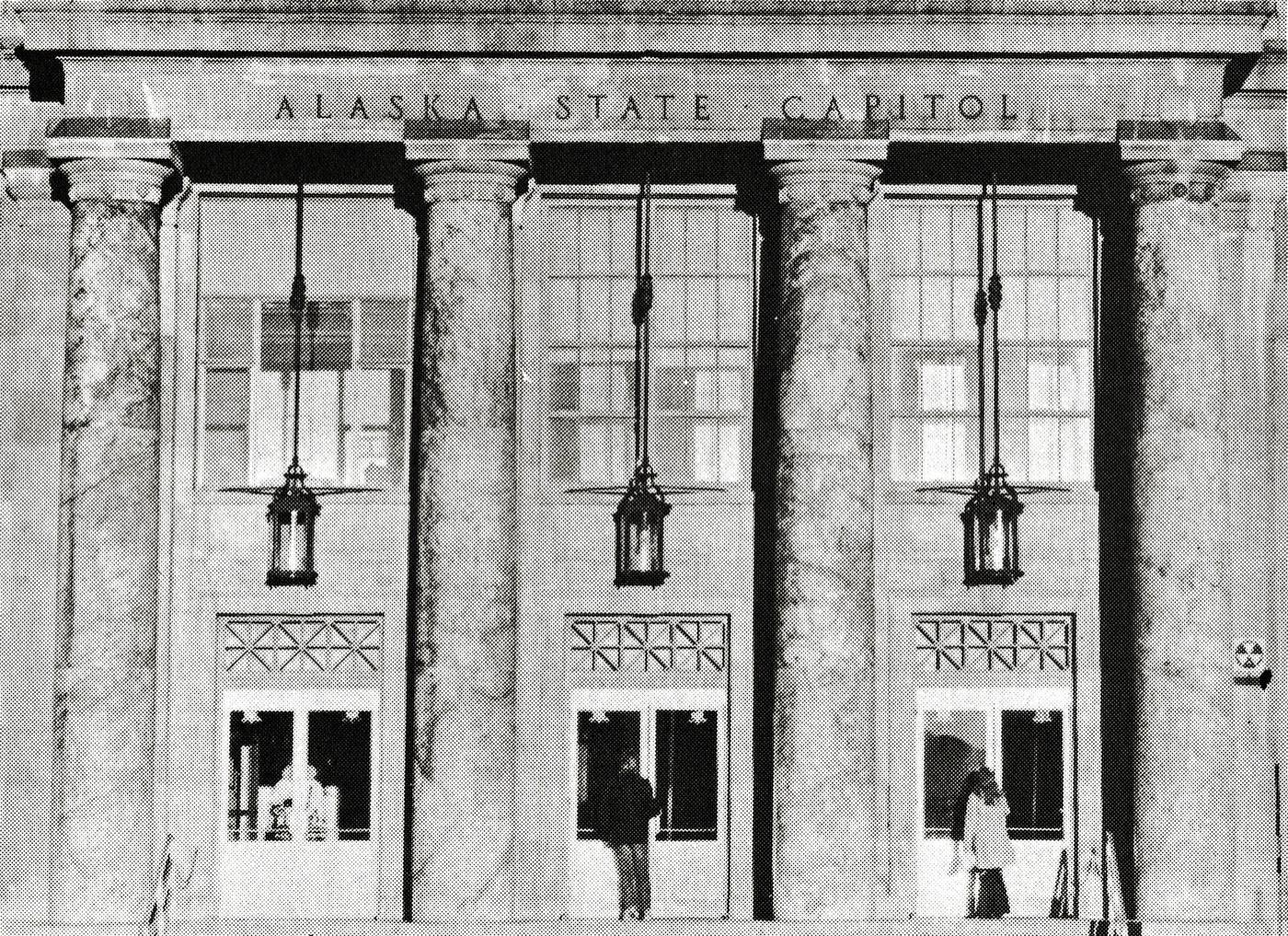
The Landscape of Lobbying
With the rise of special interest groups and a burgeoning political action committee culture, the question of who is influencing our legislators has become a hotly debated topic. Lobbyists, once considered behind-the-scenes players, are now at the forefront of political discourse. Their ability to sway legislation and public opinion cannot be underestimated, and yet the mechanisms through which they operate remain shrouded in secrecy.
"Transparency is not merely an ideal; it is a necessity in a democratic society."
For far too long, lobbying has been viewed through a lens of power, privilege, and partisanship. The left often decries the influence of corporate money in politics, while the right defends the right of free speech as a constitutional guarantee. Both sides are guilty of selective outrage, as they prioritize their own interests above the democratic ideals of transparency and accountability.

The Case for Disclosure
What is striking is that the conversation surrounding lobbying disclosure has been largely superficial. Calls for reform often echo through the halls of Congress, but concrete action remains elusive. Advocates for greater transparency argue that citizens have a right to know who is funding political agendas and influencing the legislative process. Yet, as the debate unfolds, we see a tendency for each side to rally around its own narrative, often at the expense of the truth.
On one hand, progressive politicians and activists advocate for stringent lobbying regulations, viewing them as a means to curb the excesses of corporate influence. Yet, their commitment to this cause often falters when faced with the allure of special interest funding for their campaigns. Meanwhile, conservative voices champion free enterprise and the right to lobby, yet many ignore the implications of a system where the wealthiest interests can drown out the voices of average citizens.
"True reform cannot be achieved without a commitment to integrity from all political actors."
The Middle Ground
It is imperative that we move toward a middle ground where evidence takes precedence over identity. The focus must shift from partisan bickering to a genuine commitment to transparency that serves the interests of all Americans. This requires a unified effort to create legislation that mandates full disclosure of lobbying activities, without exceptions based on political affiliation.
To achieve this, both sides must be willing to confront their own biases. The left must recognize that not all lobbying is inherently detrimental, while the right must acknowledge the dangers of allowing unchecked corporate power to dictate policy. A balanced approach to lobbying reform would ensure that transparency does not become a weapon of political warfare, but rather a foundational principle upon which our democracy can thrive.
Conclusion: A Call for Action
As we stand at this crossroads, the responsibility lies with us - the voters, the advocates, and the politicians - to demand a system that prioritizes integrity and transparency. The road to effective lobbying disclosure will not be easy, but it is necessary for the health of our democracy. If we allow our leaders to hide behind the veil of secrecy, we risk losing the very essence of representative government.
In closing, let us not forget that the call for transparency in lobbying is not merely about regulations and paperwork. It is about ensuring that every voice is heard and that our democracy works for all - not just the privileged few.
✦ ✦ ✦