From the file. Written for the paper dated April 1970. Opened in the public stacks July 14, 2026.
In a climate of tumult and division, recent intelligence estimates reveal a troubling trend: institutions seem more concerned with self-preservation than with the pursuit of truth.
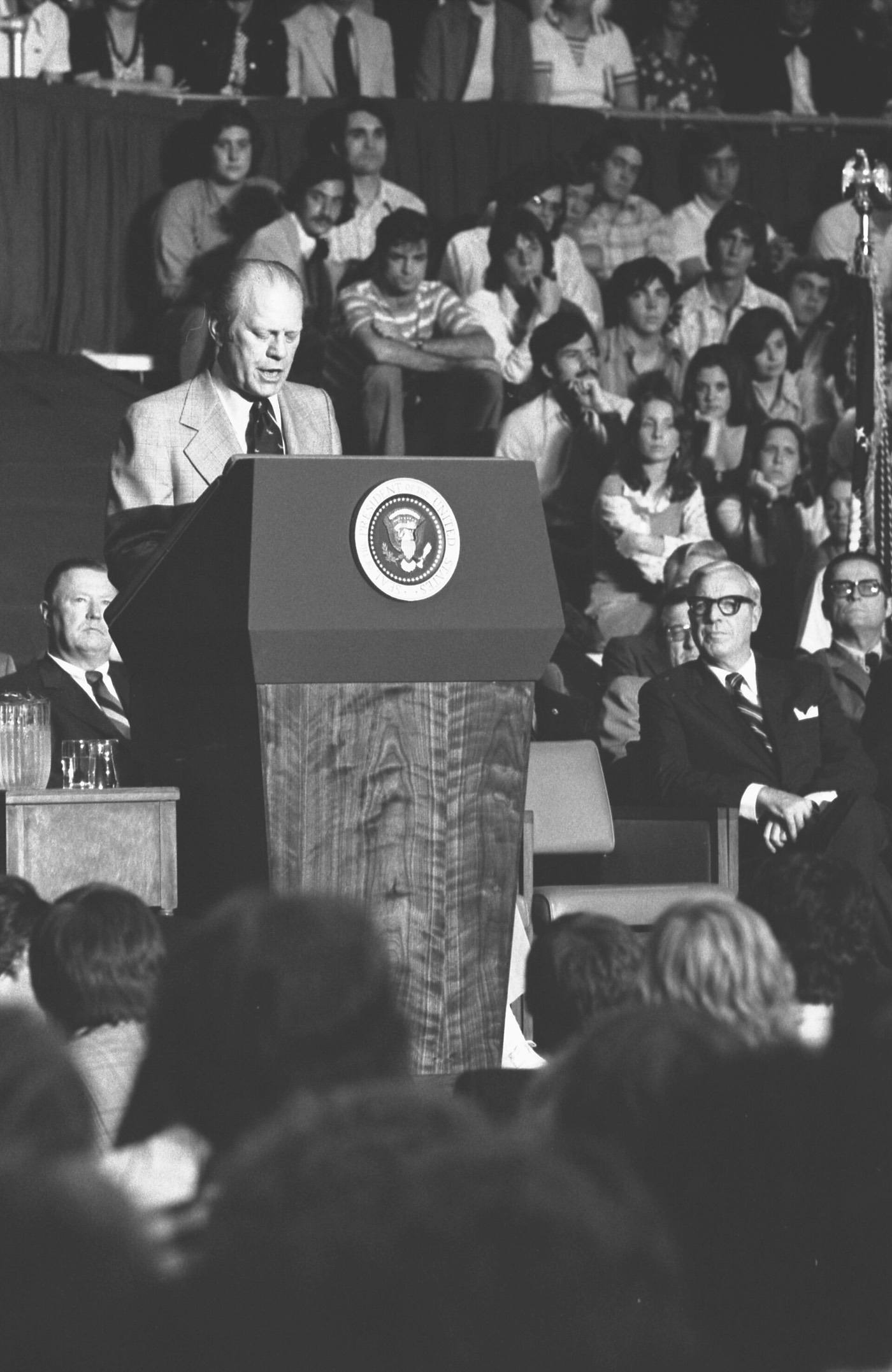
The Protective Bubble of Intelligence
Intelligence estimates, often heralded as critical tools for national security and informed policymaking, have become marred by the very biases and fears they are meant to overcome. As America grapples with the complexities of global conflict and domestic unrest, the integrity of these estimates is increasingly called into question. The credibility of our intelligence agencies is not only essential for national security but also for maintaining public trust during a period of heightened skepticism.
It is alarming to note how institutions have taken on a defensive posture, prioritizing their own stability over transparent and accurate assessments of threats. The recent estimates presented to Congress and the White House have been criticized for their lack of candor and inclusivity. Instead of providing a holistic view of the world as it stands, the reports often reflect a sanitized version, seemingly tailored to avoid rocking the boat.

“When institutions focus on self-preservation, the truth becomes a casualty.”
Left and Right: A Dual Critique
The left, often critical of government overreach and the military-industrial complex, has fallen into its own trap of dogma and ideological purity. While advocating for peace and transparency, some factions have resorted to blanket accusations against intelligence agencies, labeling them as tools of oppression. Such sweeping generalizations, while perhaps rooted in valid concerns, detract from meaningful dialogue about reform and accountability. They risk alienating moderate voices and inhibit the critical exploration of necessary changes within the system.
On the other hand, the right's unwavering support for intelligence agencies often borders on blind faith. In their fervor to combat perceived leftist threats, some conservatives have overlooked the importance of scrutiny and oversight. The mantra of “trust the experts” can devolve into a reluctance to challenge the status quo, allowing institutions to operate without adequate checks. This can lead to an environment where intelligence estimates are crafted not as honest reflections of reality, but rather as affirmations of political agendas.
The Need for Accountability
As the nation faces pressing issues - from the Vietnam War to civil rights struggles - the need for reliable intelligence is paramount. Yet, the question remains: how can we ensure that these estimates serve the nation rather than the institutions that produce them? A concerted effort is necessary, one that embraces transparency and accountability. Both sides of the political spectrum must recognize that the integrity of our intelligence is essential to both national security and the health of our democracy.
Moreover, reforming the intelligence community necessitates a willingness to confront uncomfortable truths about its past and present. Historical missteps - whether in the estimation of threats or in the justification of military actions - should serve as lessons learned, not as excuses for continued obfuscation. A commitment to genuine accountability could foster a renewed public trust, but only if both the left and right are willing to engage in constructive dialogue rather than resort to partisan bickering.
“The health of our democracy hinges on a transparent and accountable intelligence community.”
A Call for Bipartisan Cooperation
In this era defined by division, a bipartisan approach to intelligence reform is not just desirable; it is imperative. Political leaders must come together to advocate for a system where intelligence estimates are not mere reflections of internal biases, but robust analyses grounded in reality. Only through cooperation can we challenge the institutional excesses that threaten to undermine our collective security and democratic principles.
It is essential for citizens to engage in this discourse, demanding greater transparency and accountability from those in power. As we forge ahead through these turbulent times, we must remember that our intelligence should serve the public interest - a truth that transcends partisan lines. The future of our nation may very well depend on our ability to assert this principle against the backdrop of institutional self-preservation.
✦ ✦ ✦