From the file. Written for the paper dated April 1970. Opened in the public stacks July 14, 2026.
The American auto industry, once heralded as a symbol of freedom and prosperity, now finds itself entangled in a web of institutional self-preservation, a landscape complicated by both corporate interests and governmental oversight.

Corporate Shielding and the Role of Unions
The relationship between the auto industry and its labor unions has always been a contentious one. In recent months, the United Auto Workers (UAW) has voiced concerns about job security and fair wages amidst a backdrop of increasing automation and foreign competition. The union's fight for worker rights is admirable, but it is also essential to analyze whether the UAW's tactics are in the best interest of the industry as a whole.
One cannot ignore the irony that unions, while advocating for workers, may inadvertently stifle innovation and adaptation within the very industry they seek to protect. Strikes and work stoppages, though powerful tools for labor, can lead to significant financial loss for companies already struggling to compete with international manufacturers. As such, the auto industry's response has often been to tighten its grip on traditional practices, focusing on maintaining the status quo rather than embracing change.
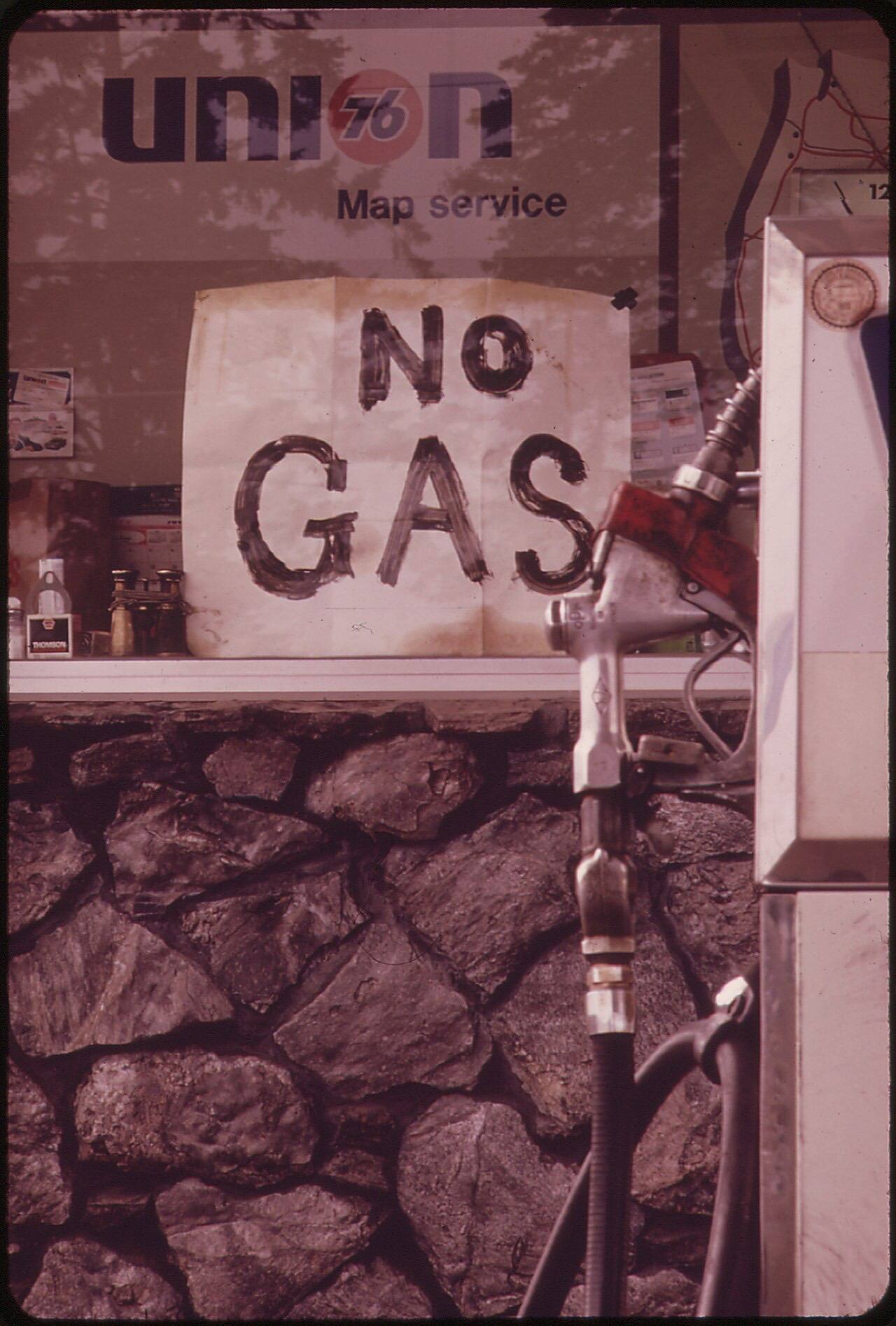
“In their quest for job security, unions may be tightening a noose around their own future.”
This tension is further exacerbated by the fact that the auto giants have historically sought refuge behind government regulations. When the industry faced challenges in the past, such as the oil crises or rising foreign competition, it often turned to the federal government for help through tariffs or subsidies. This reliance on governmental support raises questions about the self-sufficiency and resilience of the auto sector.
Government Intervention or Corporate Welfare?
The federal government, in its attempts to bolster American manufacturing, has sometimes acted more like a crutch than a catalyst for growth. With various protectionist measures in place, it seems that the government is more invested in preserving the auto industry than in allowing it to evolve organically. This leads to a dangerous cycle where corporations become complacent, relying on government intervention rather than reforming their business practices.
On the left, there are advocates who argue that federal regulations should be even stricter, pushing for higher environmental standards and labor protections. While these aims are noble, the unintended consequence may be that they drive companies to relocate production overseas, where regulations are more lenient and labor is cheaper. This is a classic case of cutting off one's nose to spite one's face, where the drive for perfection may lead to the demise of the very industry these advocates seek to protect.
The Right's Reluctance to Change
On the other end of the spectrum, conservative voices argue for minimal government intervention and a return to free-market principles. They suggest that the auto industry should be allowed to fail if it cannot compete effectively in a global market. This laissez-faire approach may sound appealing in theory, yet it ignores the complexities of a sector that has long been intertwined with the American identity.
Moreover, the right's unwavering support for the auto industry, even to the detriment of labor rights and environmental regulations, reveals a troubling hypocrisy. Advocating for the industry's survival while simultaneously ignoring the consequences of such protectionism is a blatant disregard for both workers and the planet. A balance must be struck between fostering a competitive market and ensuring that American workers are not left behind.
“Blindly championing the auto industry while neglecting labor rights is a disservice to the American worker.”
Finding a Middle Ground
Both extremes - the left's regulatory zeal and the right's free-market advocacy - miss an opportunity for constructive dialogue. The auto industry stands at a crossroads, and the path it chooses will shape not only its future but also that of countless workers and communities dependent on it. The industry must adapt to changing consumer preferences, embrace new technologies, and reassess its labor relations.
There is room for a compromise that considers the needs of workers without stifling innovation. A collaborative approach, where labor unions and management work together to address issues like automation and job displacement, could lead to a more sustainable future. Additionally, the government can play a role in facilitating this dialogue, rather than acting as a hindrance.
The Road Ahead
As we look toward the future, the need for a unified approach to the challenges faced by the American auto industry has never been more pressing. Excesses on both sides of the political spectrum threaten to derail progress, leaving workers and consumers in a precarious position. It is time for all parties involved to set aside their jerseys and work towards a common goal - an auto industry that is resilient, innovative, and equitable.
✦ ✦ ✦