From the file. Written for the paper dated March 1970. Opened in the public stacks July 14, 2026.
As the nation grapples with health care accessibility, the issue of pharmacy deserts looms large, exemplifying the failures of both political extremes in addressing the basic needs of citizens.
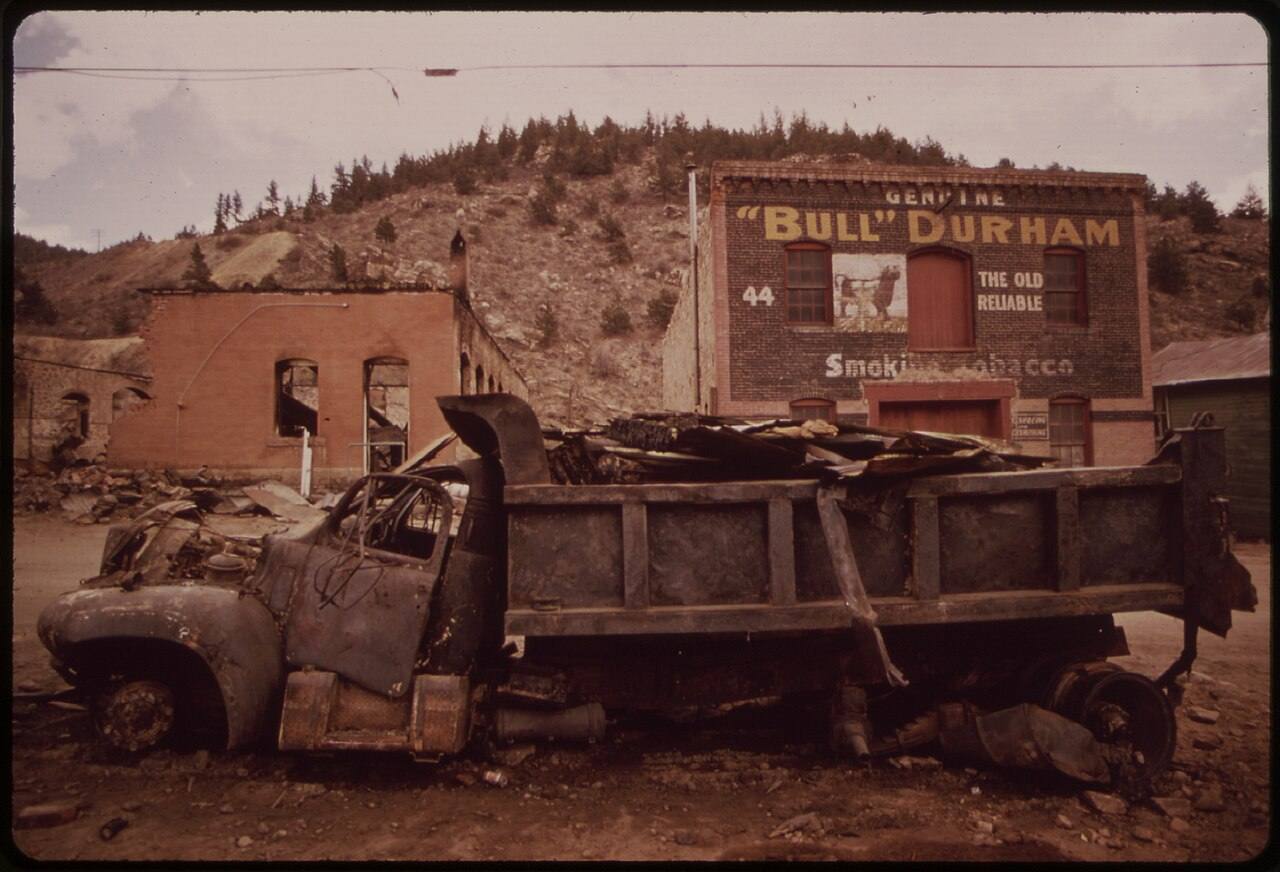
Understanding Pharmacy Deserts
Pharmacy deserts, areas where residents lack easy access to pharmacies, are becoming increasingly prevalent in urban and rural settings alike. The repercussions of this phenomenon are dire, affecting the health and well-being of millions of Americans who struggle to obtain necessary medications. Despite the urgency of this issue, solutions appear stymied by the competing interests of political parties, each more concerned with their agendas than with the health of the populace they serve.
Left-Wing Shortcomings
On one side of the aisle, the left has long championed the cause of universal health care, advocating for access to medical services for all. Yet, their plans often overlook the critical role of pharmacies in the health care system. While pushing for grandiose reforms, they neglect to address the immediate needs of communities devoid of pharmacy access. Instead of focusing solely on insurance coverage, the left must also prioritize initiatives that encourage the establishment of pharmacies in underserved areas.
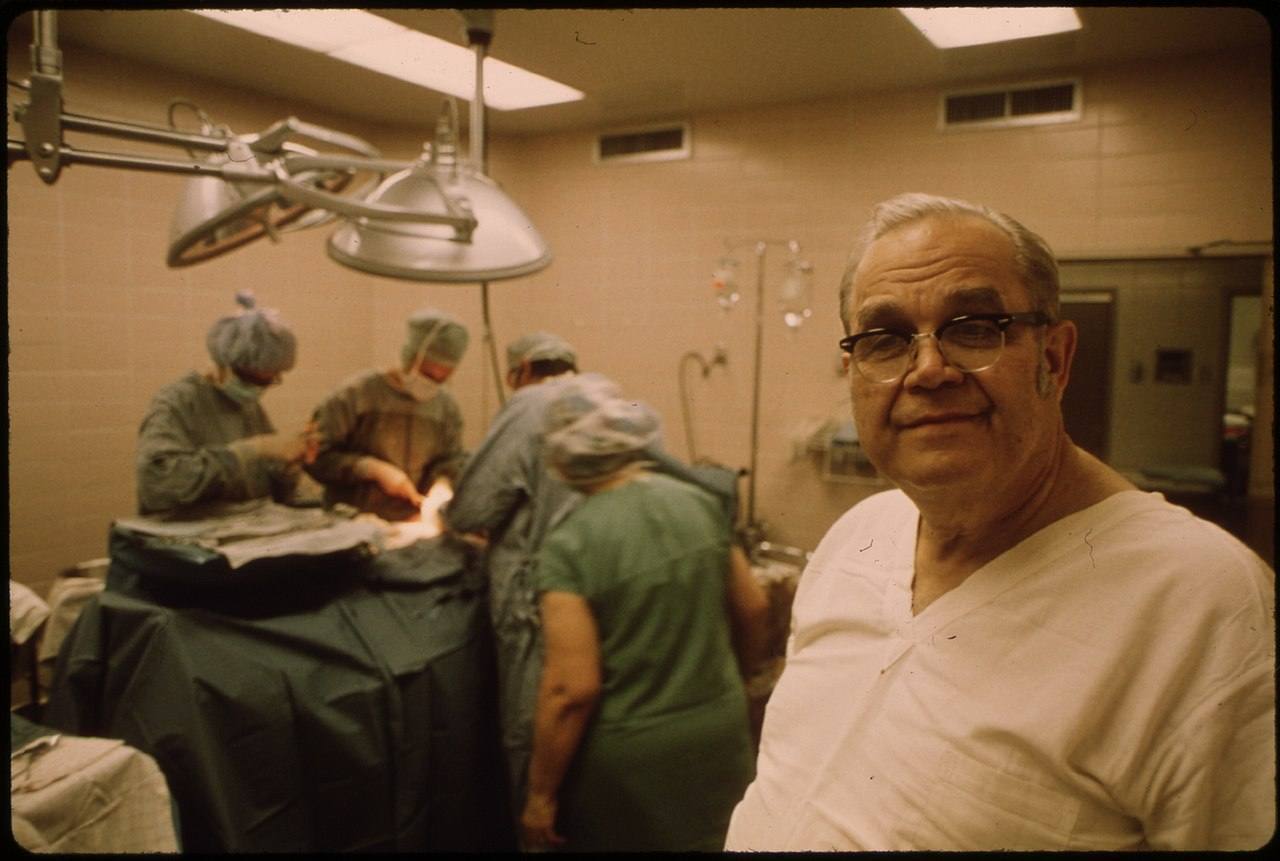
"The left's failure to address pharmacy deserts reflects a disconnect from the reality that many Americans face on a daily basis."
Moreover, some leftist policies inadvertently exacerbate the issue. By imposing stringent regulations on pharmaceutical companies, they may inadvertently drive small, independent pharmacies out of business, leaving residents in pharmacy deserts with even fewer options. In their quest for social justice, they must not lose sight of the fundamental service that pharmacies provide - access to medications.
Right-Wing Oversights
Meanwhile, the right's approach to health care often focuses on market-driven solutions, promoting the idea that competition will naturally solve the issue of pharmacy deserts. However, this belief ignores the realities of economics in underserved regions. Many pharmacies find it unprofitable to set up shop in low-income areas, leading to a vicious cycle where residents are left without essential health services.
"Market forces alone will not rectify the disparities in pharmacy access; a more collaborative approach is needed."
The right’s insistence on limited government intervention can also hinder potential solutions. For instance, incentivizing pharmacy chains to open locations in underserved areas could provide immediate relief to those affected by pharmacy deserts. Yet, this conversation is often lost amid broader debates on taxation and regulation, as the focus shifts away from human health to ideological purity.
Finding Common Ground
As both sides of the aisle grapple with their respective ideologies, the health of the American public suffers. It is imperative that both left and right recognize the urgent need to address pharmacy deserts as a non-partisan issue. Collaboration could lead to meaningful changes that benefit citizens without sacrificing core principles.
Potential Solutions
To mitigate the impact of pharmacy deserts, several initiatives could be undertaken. Public-private partnerships could incentivize pharmacies to set up in underserved areas, offering tax breaks or grants to encourage participation. Additionally, community health programs could work alongside pharmacies to provide education and resources, ensuring that residents are aware of their options and can navigate the health care system more effectively.
Furthermore, expanding telepharmacy services could offer a bridge for those in remote areas, allowing consultations and prescriptions to be obtained without the need for physical proximity to a pharmacy. Such innovations could help alleviate the strain on traditional pharmacy models while providing necessary health services to those in need.
Conclusion
The existence of pharmacy deserts is a pressing concern that demands immediate action from both political parties. Rather than perpetuating a cycle of blame, it is crucial that the left and right come together to find common ground. The health of Americans should not be a partisan issue; it should be a shared responsibility. Only through unity can we hope to dismantle the barriers to health care access and ensure that no citizen is left without the medications they require.
✦ ✦ ✦