From the file. Written for the paper dated March 1970. Opened in the public stacks July 14, 2026.
As the tides of public opinion shift and the political landscape becomes increasingly polarized, the clash over federalism in America reveals an unsettling truth: both sides of the aisle are guilty of pursuing self-serving agendas that undermine the very principles they claim to uphold.
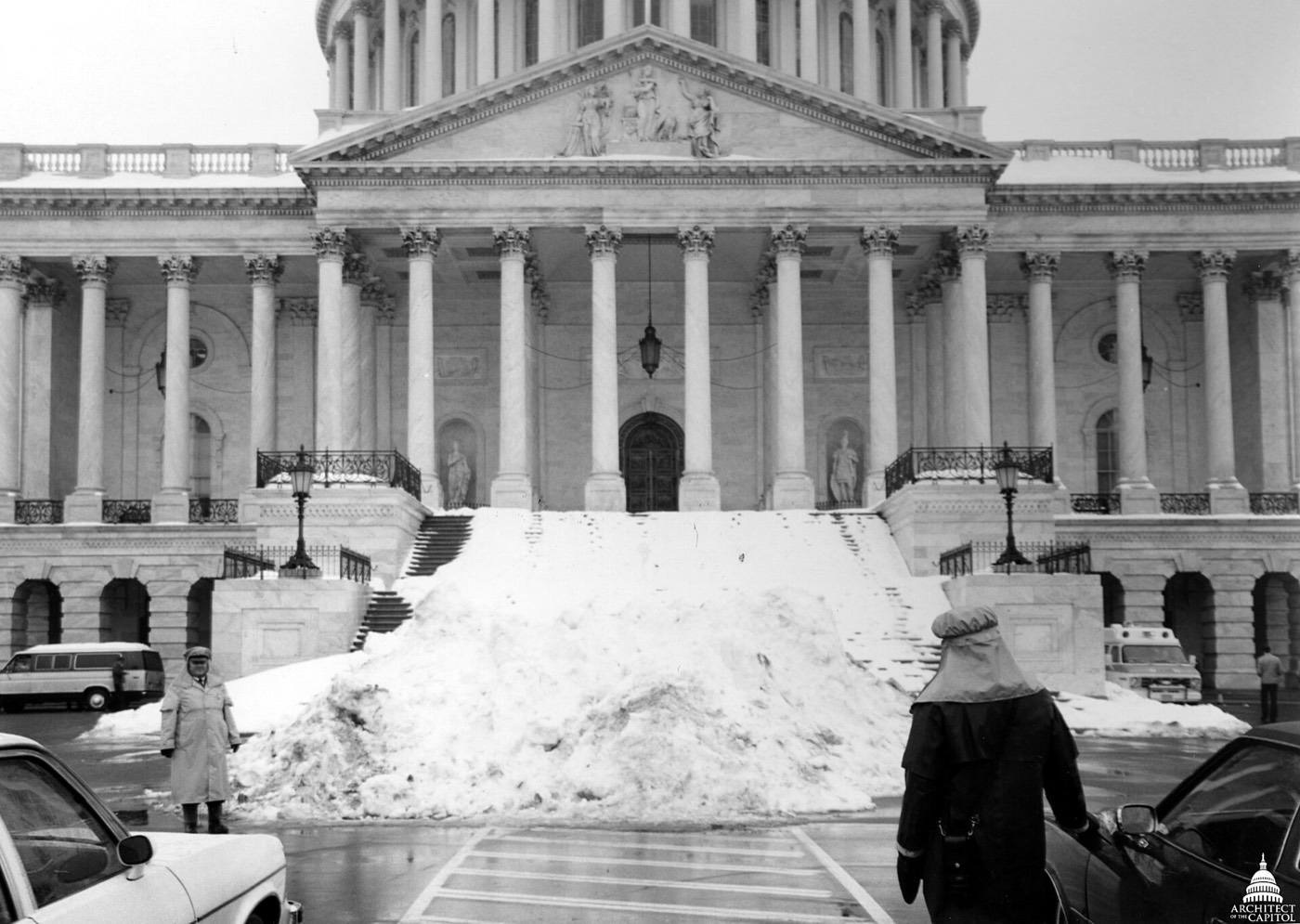
The Federalism Debate
The debate over the balance of power between state and federal governments has been a cornerstone of American political discourse since the founding of the nation. In recent months, this debate has reached a fever pitch, with both Democrats and Republicans taking bold stances that reflect more their political ambitions than a genuine commitment to federalism.
On one hand, the left has embraced a model of federalism that seeks to expand the role of the federal government in an attempt to address social inequities and promote progressive policies. This has led to an array of federal mandates aimed at ensuring civil rights, environmental protections, and healthcare access. However, in their push for federal intervention, many on the left have overlooked the importance of local governance and the unique needs of individual states. This one-size-fits-all approach can stifle innovation and foster resentment among constituents who feel their voices are being drowned out by distant bureaucrats.
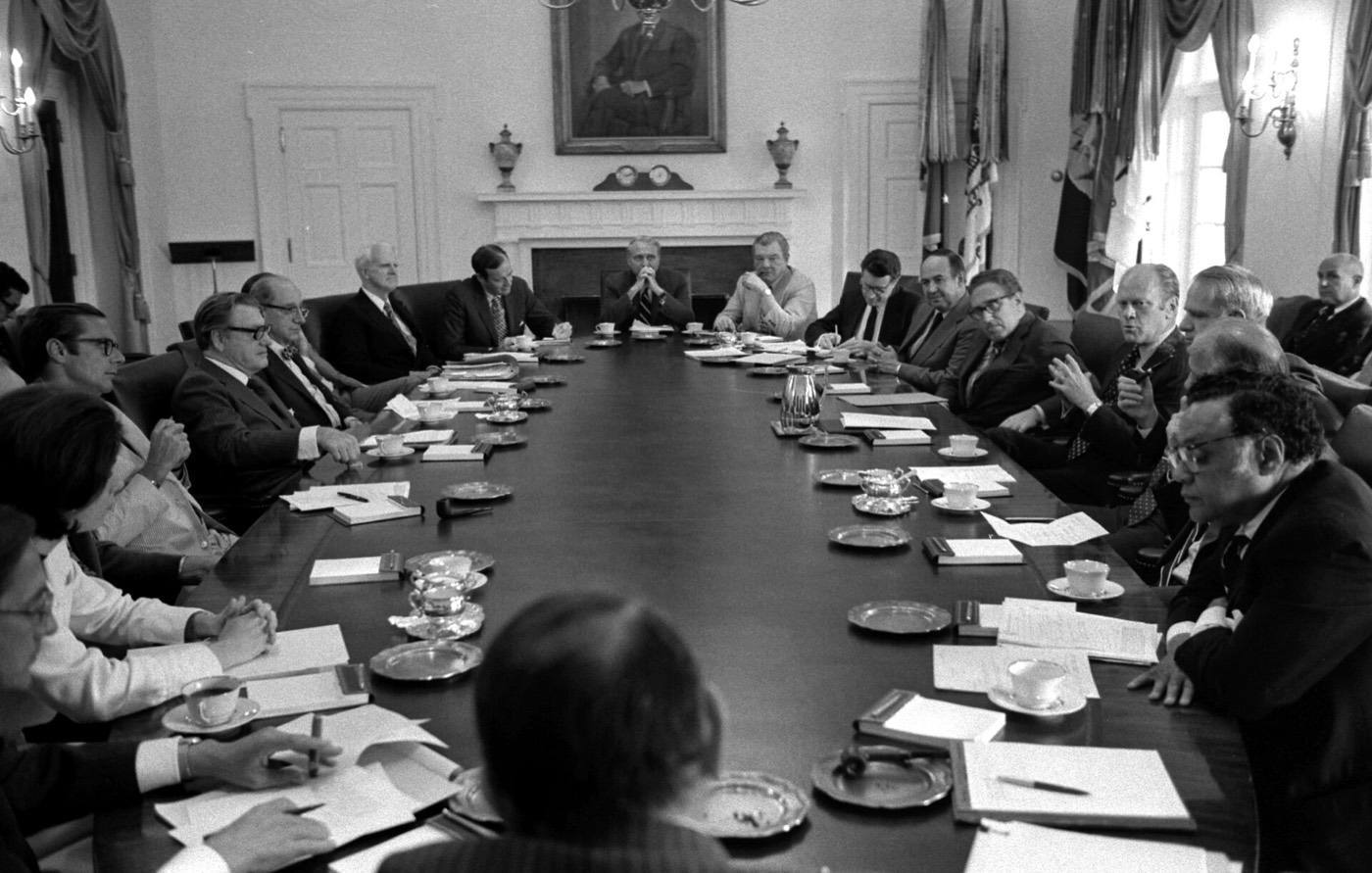
Conversely, the right has seized upon the rhetoric of states' rights to advocate for a rollback of federal authority, positioning themselves as defenders of local autonomy. Yet, as they champion the cause of state governance, they often do so with a selective memory, conveniently forgetting that certain issues, such as civil rights and environmental protection, may require federal oversight. Their resistance to federal involvement often serves as a smokescreen for policies that disproportionately benefit the wealthy and powerful while neglecting the needs of the most vulnerable in society.
"Both sides claim to champion federalism, yet their actions reveal a troubling inconsistency. It's time to reassess what we truly mean by federalism in America."
Incentives for Political Gain
The incentives for both parties to manipulate the federalism debate for their own gain are glaring. For Democrats, expanding federal authority can be a means to enact sweeping social reforms and solidify their base. For Republicans, invoking states' rights often serves as a rallying cry for their constituents, allowing them to oppose federal initiatives without addressing the underlying issues that necessitate such interventions.
This tug-of-war over federalism has created a situation where genuine debate is sacrificed on the altar of political expediency. Each side has become so entrenched in its ideological dogma that the prospect of compromise seems increasingly remote. The consequences of this polarization are dire, as it threatens to erode the foundations of American democracy.
The Consequences of Extremism
The excesses of both the left and the right can be seen in the growing civil unrest and disillusionment among the populace. Citizens feel caught in the crossfire of a political battle that seems more concerned with scoring points than finding solutions. The cries of citizens demanding accountability and change echo through the streets, yet the political elite remain entrenched in their respective camps.
This environment of extremism breeds apathy, as many Americans become disenchanted with a system that no longer seems to represent their interests. The lack of substantive dialogue between the parties means that critical issues such as healthcare, education, and social justice are left unresolved, exacerbating the challenges faced by everyday citizens.
A Call for Genuine Federalism
As we consider the future of federalism in America, it is crucial to recalibrate our understanding of what it means to strike a balance between state and federal authority. Perhaps it is time to return to the fundamental principles of federalism that prioritize collaboration, local governance, and the needs of citizens over political ambitions.
True federalism requires a commitment to dialogue and compromise. It demands that both sides abandon their excesses and engage in a robust discussion about the role of government at every level. Only through such engagement can we hope to address the pressing issues facing our nation and restore faith in our democratic institutions.
In an era marked by division and strife, let us strive for a federalism that celebrates diversity in governance while uniting us in our shared values as Americans. The time for change is now, and it begins with a reassessment of our political priorities and a recommitment to the principles of liberty and justice for all.
✦ ✦ ✦