From the file. Written for the paper dated February 1970. Opened in the public stacks July 14, 2026.
In a political climate charged with fervor and division, the recent oversight hearings have emerged as a battleground not just for accountability, but for ideological supremacy. As representatives gather to dissect the actions of government agencies, the focus often strays from the core issues at hand, leaving critical conversations in the shadows.

The Current Landscape
On the one hand, we have the left, advocating for transparency and reform, while on the other, the right emphasizes law and order, often prioritizing control over genuine oversight. Both sides, it seems, have cultivated their own narratives, but what is frequently lost in translation are the nuanced realities that don’t fit neatly into their respective agendas.
“We are not just here to play politics; we are here to ensure the government serves its people.”
As the cameras roll and the press takes note, the theatrics of the hearings can overshadow the pressing matters that require genuine scrutiny. Witnesses are often called to testify, yet the questions asked can feel more like rehearsed dialogue than an earnest quest for truth. It raises the question: are we truly interested in uncovering the facts, or simply staging a performance for the public?
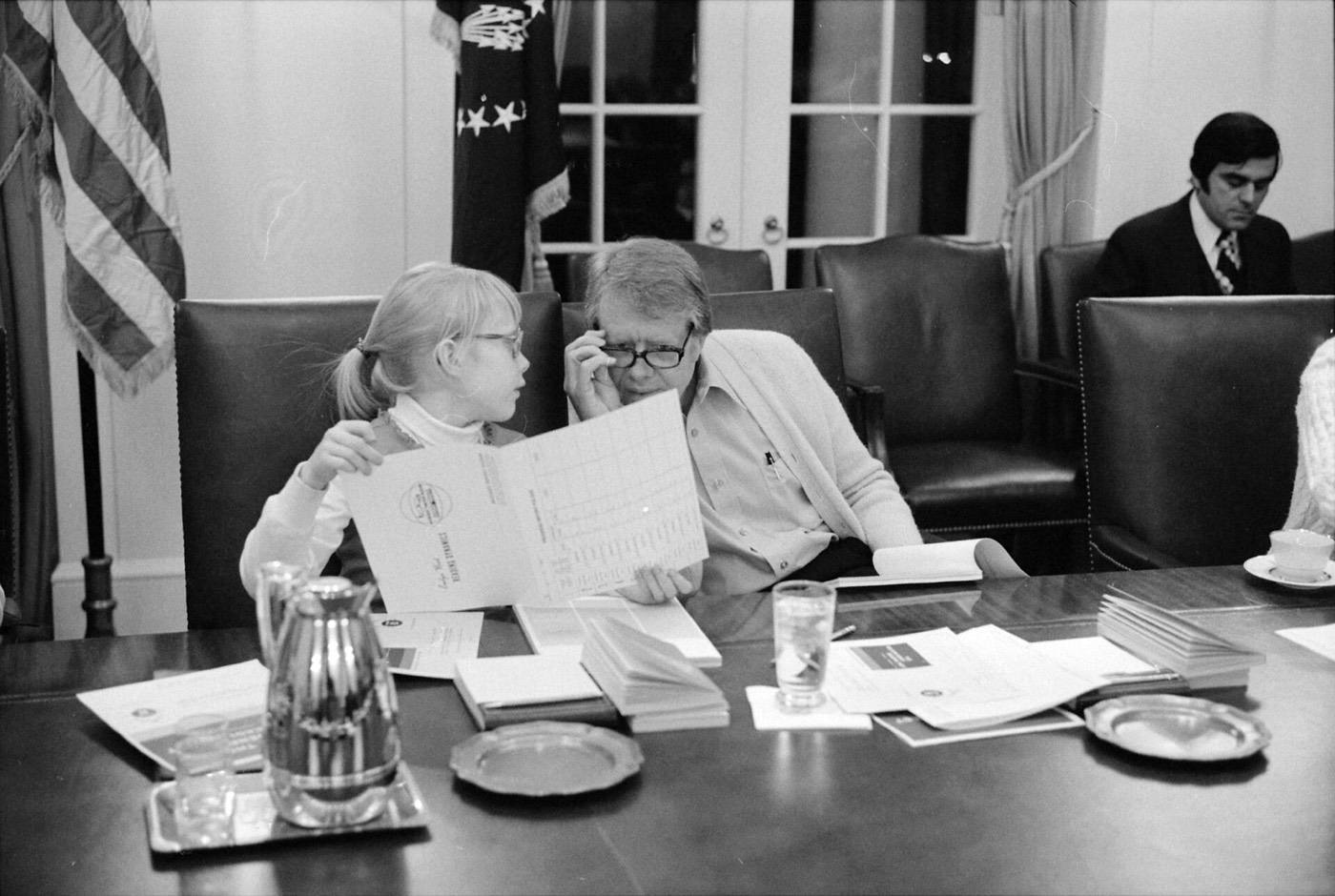
What’s Missing from the Briefings
One glaring omission from these sessions is the conversation surrounding systemic issues that contribute to the very problems being addressed. For instance, discussions about poverty, education, and healthcare are often relegated to footnotes in the agenda. Instead, we hear about budgets and bureaucratic failures, but the impact on the average citizen remains an afterthought.
Moreover, the hearings frequently overlook the voices of the very people these policies affect. The lack of grassroots representation leaves a significant void in our understanding of the issues. The hearings could benefit from inviting community leaders and those directly impacted by governmental decisions to share their experiences. This could provide a richer, more comprehensive view of the realities faced by everyday Americans.
The Left's Challenges
The left, while advocating for reform, sometimes falls into the trap of idealism. The push for comprehensive changes can lead to proposals that seem disconnected from the practical realities of implementation. For instance, calls for sweeping healthcare reforms are admirable, yet without a clear path to achieve these goals, they risk becoming mere slogans rather than actionable policies.
Furthermore, the tendency to frame every issue through a lens of social justice can alienate potential allies who may not fully subscribe to the progressive agenda. It is crucial for the left to find common ground with moderates and conservatives who share a desire for accountability, even if their visions differ.
The Right's Shortcomings
Conversely, the right often focuses on enforcement and punitive measures, which can lead to an atmosphere of fear rather than one of constructive reform. The emphasis on law and order, while important, can overshadow the need for understanding the root causes of societal issues. It is not enough to simply punish wrongdoers; we must also seek to address the circumstances that lead to their actions.
The right’s rhetoric can also neglect the importance of civil liberties, with some representatives advocating for policies that may infringe upon individual rights in the name of security. This approach can be detrimental, as it risks eroding the very freedoms that underpin our democracy.
The Path Forward
As we continue to witness the unfolding of these oversight hearings, it is imperative for both sides of the aisle to recognize their blind spots. The left must temper its idealism with pragmatism, while the right should prioritize civil liberties alongside security. Only through a balanced approach can we hope to address the complex issues facing our nation.
Ultimately, the goal of these hearings should not be to score political points but to ensure that government agencies are held accountable to the people they serve. This requires a commitment to transparency, inclusivity, and a willingness to engage in difficult conversations that may challenge our preconceived notions.
✦ ✦ ✦