From the file. Written for the paper dated December 2026. Opened in the public stacks July 14, 2026.
As the frenzy of extreme weather events continues to dominate headlines, the scientific community is grappling with the complexities of weather models that aim to predict these phenomena. With climate change as a backdrop, the stakes are higher than ever.
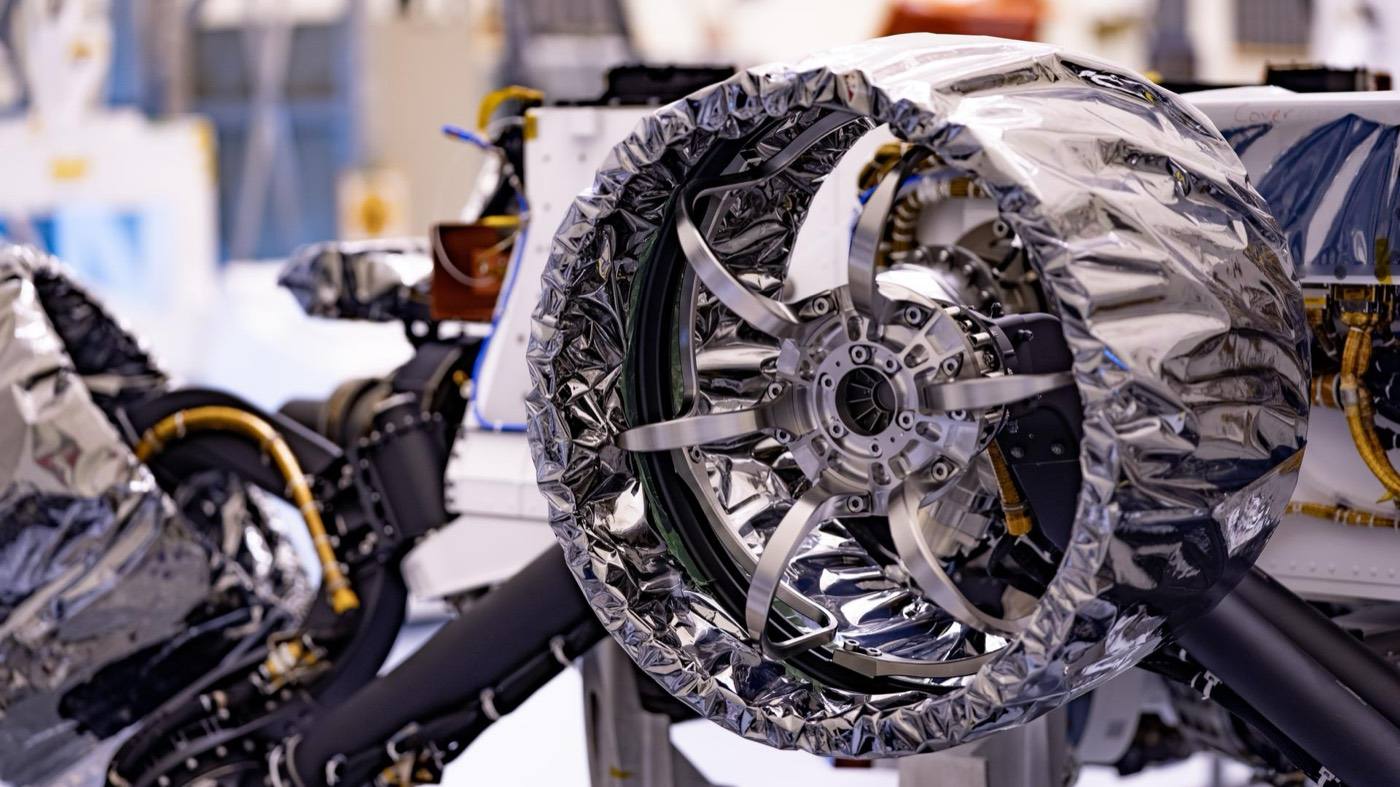
Understanding the Models
Weather models are intricate systems that use mathematical equations to simulate atmospheric conditions. They draw upon vast amounts of data, from satellite observations to ground-level measurements, to produce forecasts that inform everything from daily life to disaster preparedness. However, as 2026 unfolds, the reliability and transparency of these models are under intense scrutiny.

Advancements in technology have allowed meteorologists to create increasingly sophisticated models, yet critics argue that these models often take on a life of their own, overshadowing the underlying data they are meant to analyze. The growing dependence on models has led to a polarization of opinions, with some claiming that they are infallible while others dismiss them as overly complex and unreliable.
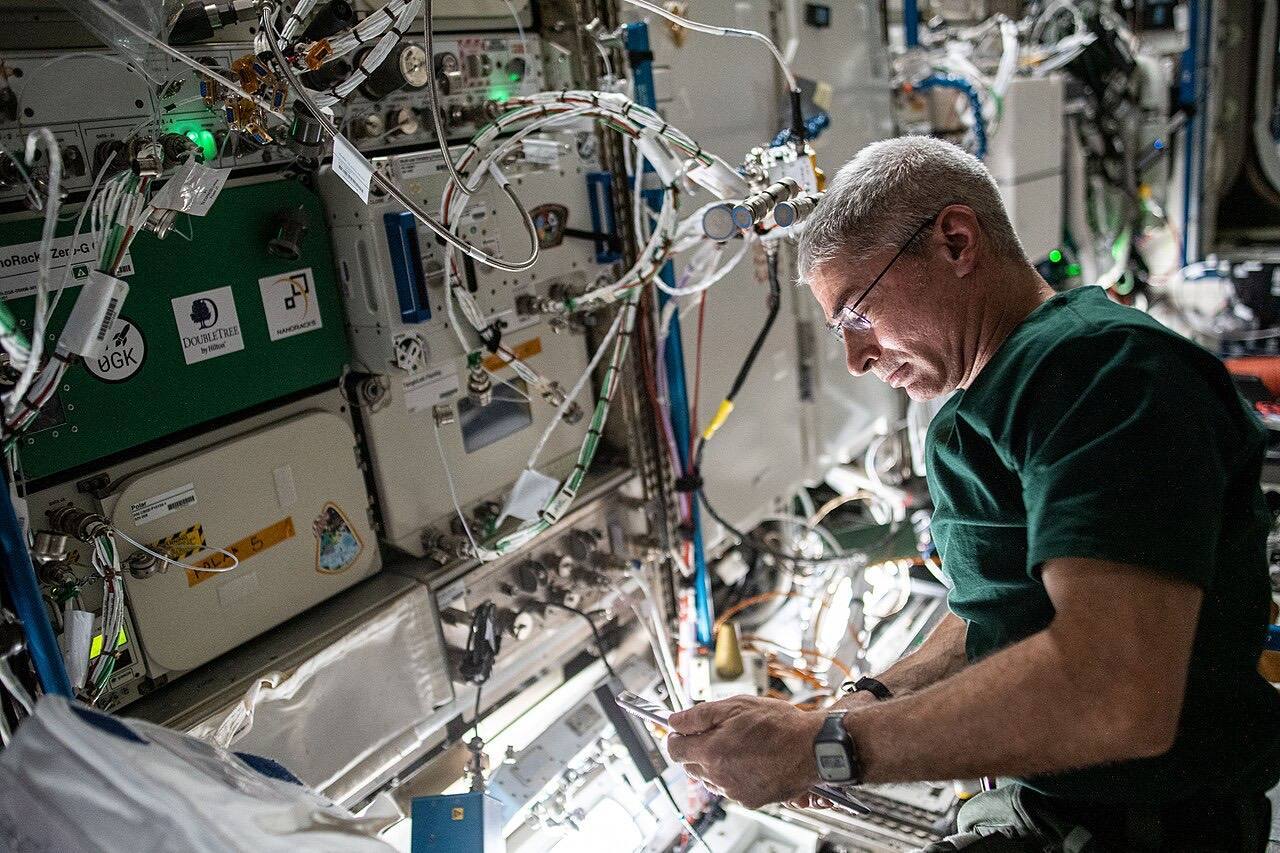
The Dangers of Over-Reliance
The crux of the issue lies in the balance between the use of weather models and the interpretation of raw observational data. On one side, proponents of advanced modeling techniques argue that they enable better preparedness for natural disasters, citing improved evacuation plans and resource allocation as direct benefits. Yet, on the other hand, skeptics contend that an over-reliance on these models can create a false sense of security, leading to disastrous consequences when predictions fail to materialize.
"An over-reliance on models can lead to complacency, especially when the stakes are as high as they are in our current climate." - Anonymous climatologist
Identity Politics in Climate Science
As the conversation around climate science becomes increasingly politicized, the debate over weather models is also colored by identity politics. Some argue that critics of the models are often dismissed as climate deniers or anti-science, while advocates are sometimes labeled as alarmists. This binary framing detracts from an essential discussion about the models’ efficacy and the need for critical evaluation of their outputs.
Moreover, the issue is compounded by the fact that funding for climate research has become a battleground. Institutions that push for more rigorous models may find themselves at odds with those advocating for community-based observational studies, creating a rift that hinders collective progress.
The Call for Transparency
As these discussions unfold, there is a growing call within the scientific community for greater transparency in how weather models are developed and implemented. Open access to data and methodologies can empower independent researchers and the public to better understand the limitations and strengths of these predictive tools.
Transparency is not merely a matter of ethical science; it is crucial for building public trust. When weather models are shrouded in secrecy, skepticism grows, and the public becomes more inclined to dismiss scientific findings altogether. This erosion of trust can have tangible consequences, especially when it comes to responding to extreme weather events.
The Future of Weather Prediction
Looking forward, it is clear that the evolution of weather models will play a critical role in how we respond to climate change. While technology will continue to improve, fostering a culture of open dialogue and collaboration among scientists, policymakers, and the public will be equally important.
As we navigate the complexities of climate science, it is essential to prioritize evidence over identity. By focusing on data-driven discussions, we can move beyond the divisive narratives that currently dominate the discourse and work towards more effective solutions that benefit everyone.
Conclusion
In a world where extreme weather events are becoming the norm, the importance of accurate weather modeling cannot be overstated. However, as we lean into the future, we must ensure that evidence precedes ideology in our efforts to understand and mitigate the impacts of climate change. Only then can we foster a society that is resilient in the face of uncertainty.
✦ ✦ ✦