From the file. Written for the paper dated December 2026. Opened in the public stacks July 14, 2026.
In a polarized political landscape, where identity often overshadows evidence, the Middle Seat Method emerges as a vital framework for fostering genuine dialogue.
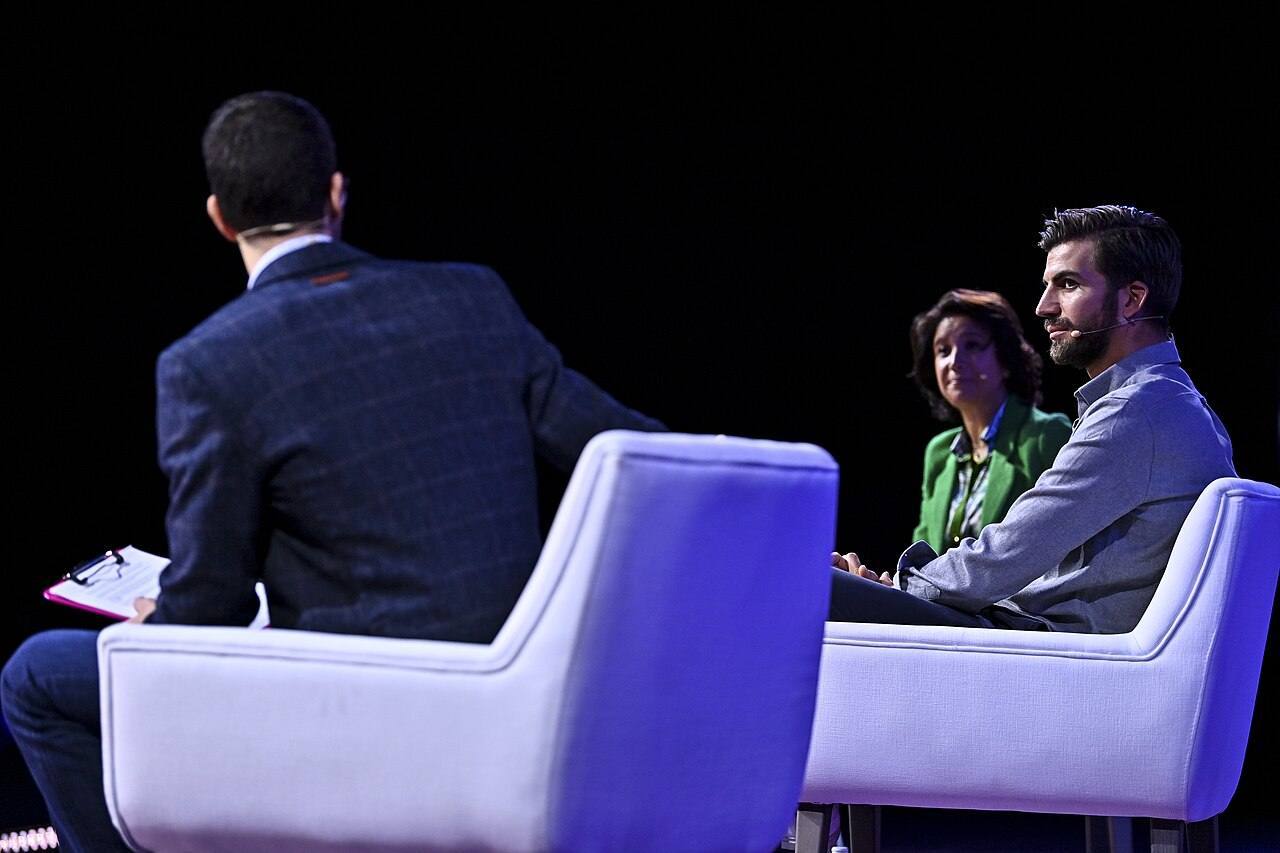
The State of Discourse in 2026
The political climate of December 2026 is marked by stark divisions. On the left, a fervent push for equity and environmental justice often gives rise to extreme measures that alienate moderate voices. Meanwhile, the right increasingly leans into populism, promoting a narrative that often disregards critical nuances. Both extremes seem more committed to their ideologies than to constructive conversation, and this is where the Middle Seat Method can provide much-needed clarity.

Across the spectrum, excesses on both sides hinder the possibility of rational discussion.
The Middle Seat Method Explained
The Middle Seat Method proposes a new approach to political discourse - one that places evidence at the forefront while maintaining the importance of individual identity. This method encourages participants to engage with one another not as representatives of their respective ideologies, but as individuals seeking common ground. By prioritizing evidence over identity, we can challenge the prevailing narratives that often divide us.

Evidence Before Identity
In an era where identity politics reigns supreme, it is imperative to shift our focus. The left often champions a narrative that prioritizes marginalized identities, sometimes at the expense of broader evidence-based discussions. This can lead to an echo chamber effect, where dissenting opinions are dismissed without consideration. On the right, an emphasis on nationalism can similarly overshadow the importance of facts, as emotions often take precedence over rational debate.

Critics of the Middle Seat Method may argue that this approach undermines the significance of identity in shaping our political views. However, the goal is not to negate identity but to elevate evidence. When we ground our arguments in facts, we create a more robust framework for understanding the complex issues at play, allowing us to engage in discussions that are both respectful and productive.
Bridging the Divide
Applying the Middle Seat Method requires courage and commitment from all parties involved. It challenges individuals to step outside their comfort zones and engage with opposing views thoughtfully. On the left, this means recognizing that while social justice is a critical issue, it cannot be the only lens through which we view policy decisions. It is essential to consider the economic implications of those decisions and how they affect the broader populace.

On the right, the challenge lies in embracing diversity of thought within the party. Acknowledging that not all conservative viewpoints align perfectly can foster a richer dialogue that values individual experiences while still holding on to core principles.
Facing Our Fears
One of the biggest hurdles to implementing the Middle Seat Method is the fear of backlash from both sides. Individuals may worry that stepping away from the ideological purity of their respective camps will lead to criticism or ostracism. However, embracing this method can lead to more enlightened discussions that reflect the complexities of real-life experiences.
Moreover, we must recognize the role of media in shaping the narrative. Sensationalism and bias can exacerbate divisions, often prioritizing clickbait over meaningful discourse. As consumers of news, we must demand more from our information sources, seeking out reporting that prioritizes evidence-based analysis over identity-driven narratives.
Reclaiming Common Ground
The Middle Seat Method is not a panacea for our political woes, but it offers a path forward. By fostering an environment where evidence is prioritized and all voices are welcomed, we can begin to bridge the gaps that have widened over the years. This method encourages a radical empathy - one that values understanding over mere agreement.
As we navigate the final weeks of 2026, let us commit to engaging in conversations that honor both evidence and identity, allowing us to move beyond the extremes that define our current political landscape. Only through this commitment can we hope to reclaim common ground and foster a healthier democracy.
✦ ✦ ✦