From the file. Written for the paper dated November 2026. Opened in the public stacks July 14, 2026.
In an era where science education is touted as paramount for national progress, the chasm between public claims and actual outcomes raises serious concerns. As debates rage on both sides of the political spectrum, it is crucial to assess the effectiveness of our educational systems in imparting scientific knowledge and fostering critical thinking.
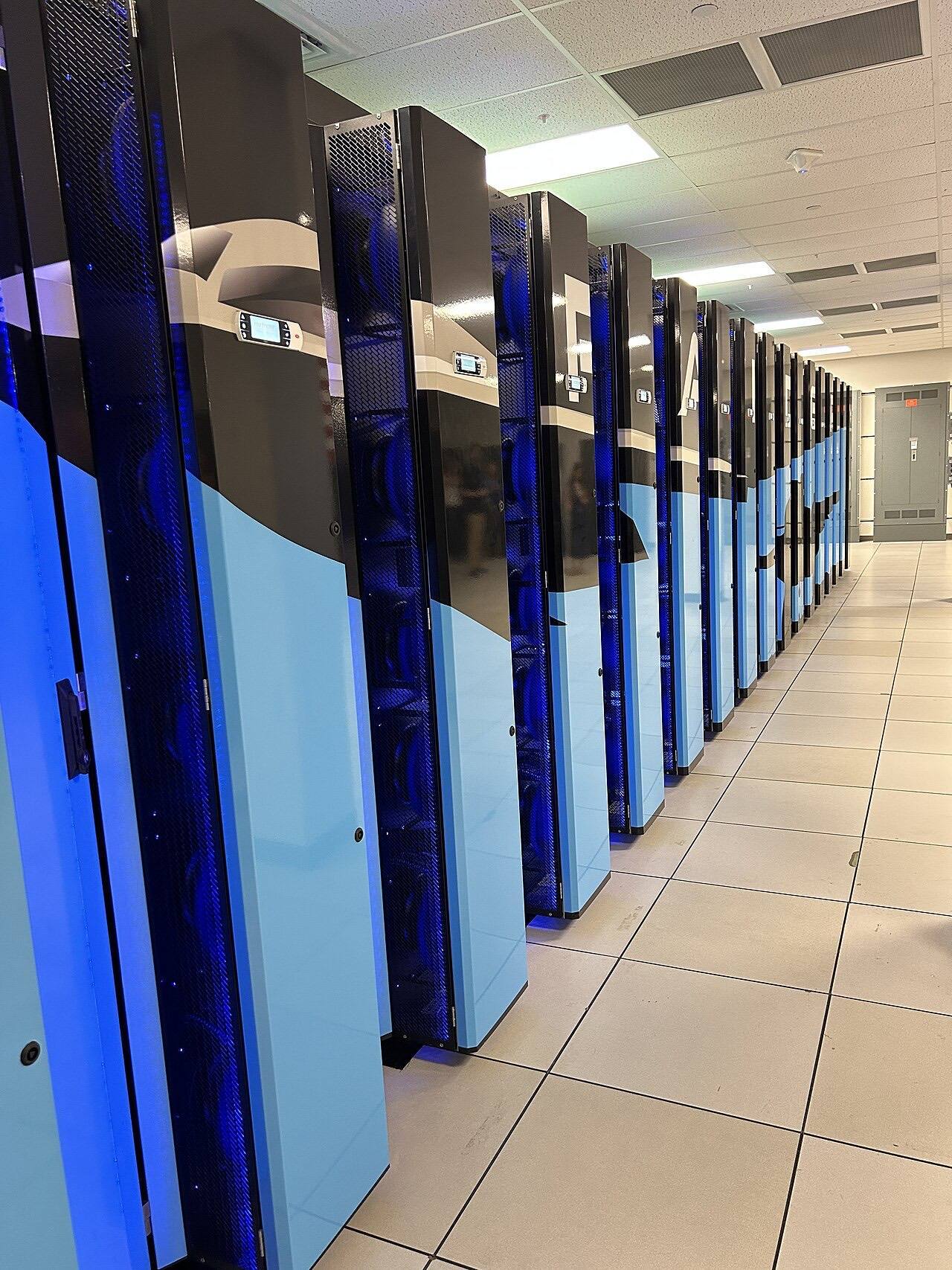
The Promises of Science Education
For years, policymakers have touted the importance of science education as a cornerstone of economic advancement and global competitiveness. From the STEM (science, technology, engineering, and mathematics) initiatives of the Obama administration to the recent pushes for increased funding under the current administration, the rhetoric surrounding science education has reached fever pitch. Politicians and advocates alike argue that equipping future generations with robust scientific knowledge is essential for navigating an increasingly complex world.

However, despite these lofty claims, the results tell a different story. Nationwide assessments indicate that many students are falling short of basic scientific literacy. A significant percentage of high school graduates struggle to grasp fundamental concepts in biology, chemistry, and physics. Critics argue that this failure is indicative of a systemic issue, one that transcends party lines and exposes the shortcomings of both left and right in addressing the real needs of our education system.
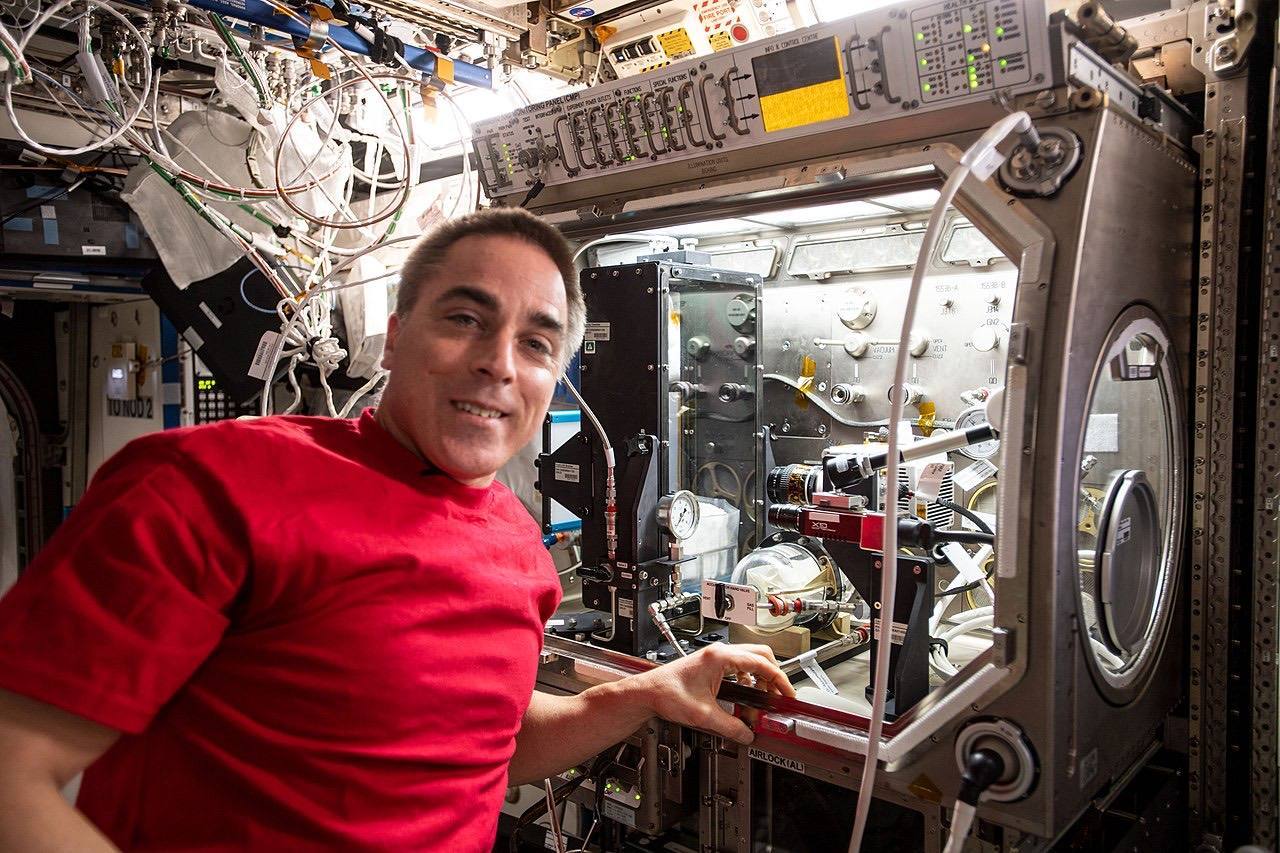
Left-Wing Ideals vs. Right-Wing Realities
In recent years, the left has pushed for a more inclusive approach to science education, emphasizing the need for diverse perspectives and social justice within the curriculum. While the intention is commendable, there are concerns that this focus on inclusivity may come at the expense of rigorous scientific standards. Critics argue that in some instances, the desire to incorporate various viewpoints has led to the dilution of essential scientific principles, leaving students ill-prepared for the challenges that await them in higher education and the workforce.
Conversely, the right has often focused on promoting traditional science education, emphasizing the importance of foundational knowledge in the sciences. However, this approach can sometimes lean too heavily on rote memorization and standardized testing, which many educators argue stifles creativity and critical thinking. The emphasis on testing can lead to a narrow view of science, one that prioritizes scores over a true understanding of scientific inquiry.
A Call for Balance
As we navigate the complexities of science education, it is crucial to seek a balance between these extremes. Both sides of the political spectrum must recognize the importance of a comprehensive science curriculum that prepares students for the future while also fostering an appreciation for the diversity of thought that exists within the scientific community. This requires a commitment to not only enhancing the content of science education but also improving the methods by which it is taught.
“We must equip our students not just with facts, but with the ability to think critically about those facts.”
Where Do We Go from Here?
To address the gaps in science education, we must prioritize teacher training and curriculum development. Educators need the tools and resources to engage students in meaningful ways, encouraging curiosity and exploration rather than mere memorization. This means investing in professional development programs that equip teachers with cutting-edge pedagogical practices and content knowledge.
Moreover, collaboration between government, educational institutions, and the private sector can yield innovative solutions to the challenges facing science education. By fostering partnerships that promote research and development in teaching methodologies, we can create a more dynamic learning environment that truly prepares students for the scientific challenges of tomorrow.
Conclusion
As we consider the future of science education, it is essential to move beyond partisan rhetoric and focus on what truly matters: the education of our students. While both sides of the political spectrum have valid concerns and aspirations, the ultimate goal must be to equip future generations with the skills they need to navigate an increasingly scientific and technological world. Only then can we hope to bridge the gap between public claims and the actual record of science education in our nation.
✦ ✦ ✦