From the file. Written for the paper dated November 2026. Opened in the public stacks July 14, 2026.
Across the United States, the term "pharmacy deserts" has gained traction in discussions about healthcare equity, but the reality on the ground may not align with public claims.
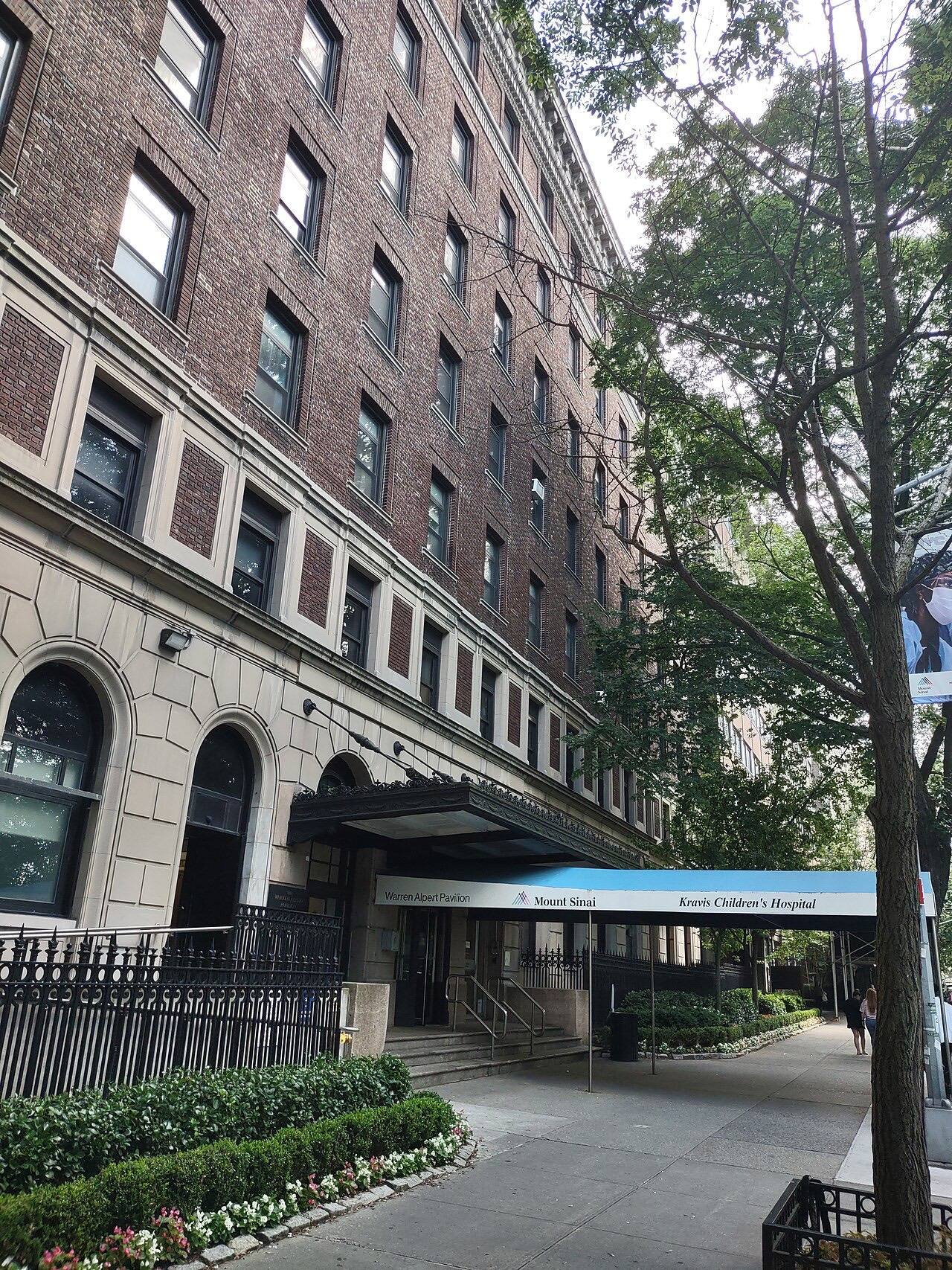
Understanding the Landscape of Pharmacy Deserts
Pharmacy deserts refer to areas with limited access to pharmacies, which can have profound implications for community health. In urban centers, these deserts often manifest in neighborhoods predominantly inhabited by low-income families and communities of color. In rural areas, the challenge is exacerbated by geographical isolation and the dwindling number of independent pharmacies.

Public officials and advocacy groups have made bold claims about the prevalence of pharmacy deserts and the need for immediate action. They argue that these areas face a critical shortage of pharmaceuticals, which can lead to adverse health outcomes for residents. However, a closer examination reveals a complex picture that challenges the simplicity of these assertions.

The Disconnect Between Claims and Reality
While it is undeniable that many communities lack access to essential medications, the narrative surrounding pharmacy deserts is often oversimplified. For instance, some areas labeled as pharmacy deserts do have pharmacies, but they may not offer a full range of services or medications. In certain cases, the existing pharmacies may be struggling with supply chain issues, leading to temporary shortages rather than a chronic lack of access.
Moreover, the rise of mail-order services and telehealth options has changed the way people access their medications. Many patients in pharmacy deserts now rely on alternative methods to obtain prescriptions, which complicates the discussion about access. While this shift has benefits, it also raises questions about the quality of care and the personal connection that comes with traditional pharmacy services.
"The narrative surrounding pharmacy deserts often overlooks the complexities of access and availability in modern healthcare."
Policy Responses: An Overreaction?
In response to the growing concern over pharmacy deserts, various policy initiatives have been proposed. Some advocate for subsidies to support independent pharmacies in underserved areas, while others suggest increasing funding for community health centers to bridge the gap in pharmaceutical access.

While these proposals aim to address legitimate concerns, critics argue that they may inadvertently create a misallocation of resources. By focusing solely on establishing new pharmacies, policymakers might overlook the potential of enhancing existing services and improving the overall healthcare infrastructure. Instead of pouring funds into new establishments, some healthcare advocates suggest a thorough evaluation of current pharmacies and their capabilities.
The Role of Big Pharma and Retail Chains
Another layer to this issue is the role of large pharmaceutical companies and retail chains. Critics on the left often point fingers at these corporations for their monopolistic tendencies, which can stifle competition and drive up prices. On the right, there is a tendency to defend these entities, arguing that market forces will ultimately resolve access issues.
However, the reality is that both sides contribute to the problem. Corporate interests often prioritize profit over equitable access, while progressive calls for regulation may sometimes overlook the economic realities that pharmacies face. This creates a paradox where both sides claim to champion the needs of the underserved while failing to confront the complexities of the healthcare system.
Looking Ahead: A Call for Nuance
The conversation surrounding pharmacy deserts must evolve beyond binary narratives. It is essential for stakeholders - policymakers, healthcare providers, and community advocates - to engage in meaningful dialogue that acknowledges the complexities of access and availability. This includes recognizing the importance of existing pharmacies while also exploring innovative solutions to enhance access, such as telehealth services and community outreach programs.
As we continue to grapple with the challenges posed by pharmacy deserts, it is crucial to remain vigilant against oversimplification. The public deserves a nuanced understanding of the issues at hand, one that reflects both the realities of healthcare access and the diverse experiences of communities across the country.
✦ ✦ ✦