From the file. Written for the paper dated November 2026. Opened in the public stacks July 14, 2026.
In an era where immediacy reigns supreme, the value of patience seems increasingly undervalued. As our society becomes more polarized, with each side clamoring for validation of their beliefs, the virtues of patience and restraint are often overshadowed by the clamorous demands for instant results and immediate gratification.

The Erosion of Patience
Across the political spectrum, we witness a disturbing trend: the abandonment of thoughtful discourse in favor of knee-jerk reactions. On the left, calls for sweeping reforms often ignore the complexities of implementation, with proponents seemingly expecting instant transformation. This impatience can lead to unrealistic expectations, where policies are pushed through without adequate consideration of their potential consequences.

Conversely, the right often exhibits a similar impatience, favoring quick fixes over long-term solutions. The tendency to blame the other side for failures without reflecting on the effectiveness of their own proposals is rampant. This results in a cycle of discontent, where neither side takes the time necessary to critically evaluate the implications of their policies. Instead of fostering an environment conducive to constructive debate, we have cultivated a culture of soundbites and slogans that only serve to further entrench division.

Public Claims vs. the Record
In our current political climate, the distance between public claims and the factual record has never been more pronounced. Politicians and activists on both sides often prioritize narrative over accuracy. This is particularly evident in the realm of policy discussions, where promises are made with little regard for feasibility or accountability.
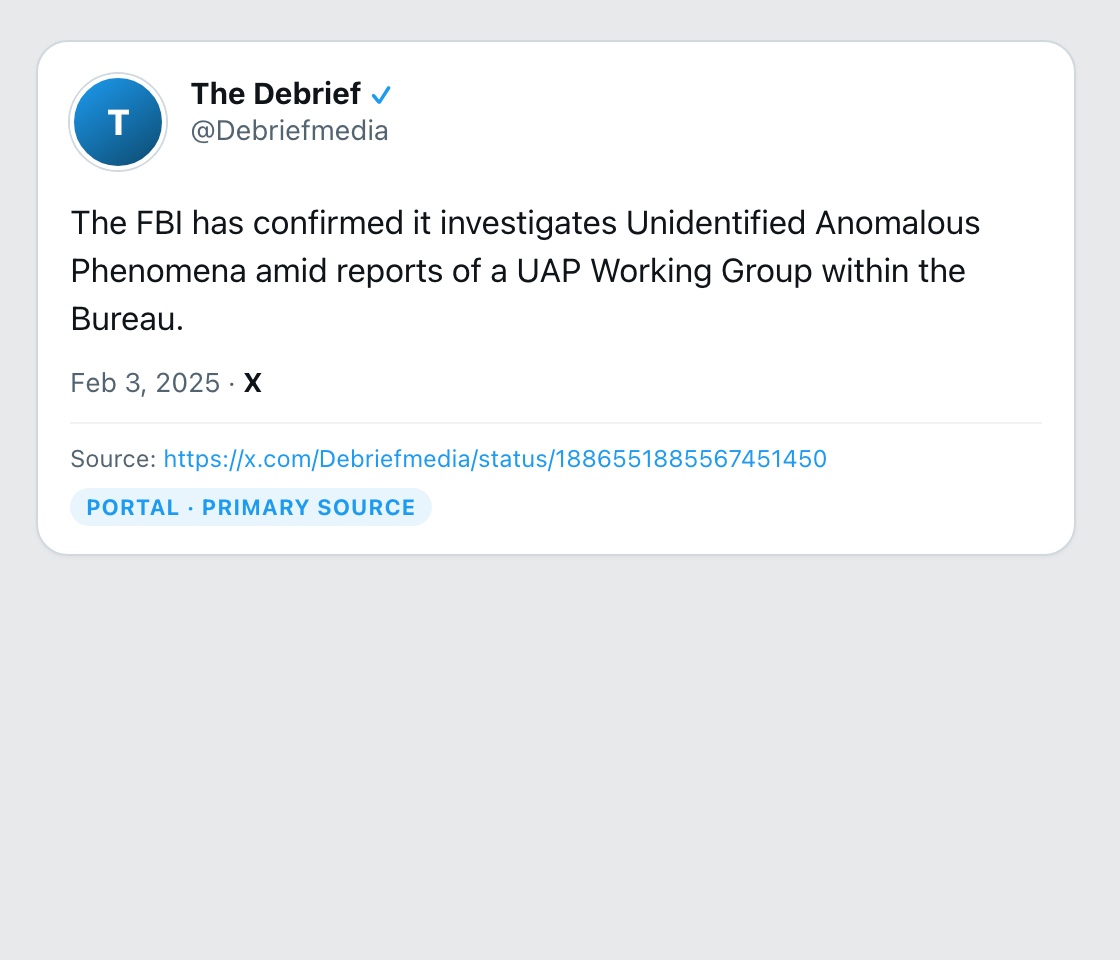
For instance, the left frequently champions ambitious social initiatives without addressing the economic realities that accompany such proposals. While the vision of a more equitable society is noble, the lack of a pragmatic approach can lead to disillusionment when those initiatives fall short of expectations. The public is left to grapple with the fallout of unmet promises, while proponents shift the blame to external factors.
On the right, there is often an over-reliance on simplifying complex issues into binary choices. The rhetoric of “us versus them” can obscure the nuanced realities of governance. Many solutions proposed by right-leaning leaders may sound appealing in theory, but their execution often lacks the necessary groundwork to ensure success. The result is a litany of claims that fail to translate into tangible outcomes, leaving constituents frustrated and confused.

“In an age of instant gratification, the value of patience is often lost, leading to a cycle of discontent.”
Reclaiming Patience in Discourse
To move forward as a society, it is imperative that we reclaim patience as a virtue. This begins with fostering an environment where dialogue is prioritized over diatribe. Both sides must commit to engaging in discussions that allow for diverse perspectives, rather than retreating into echo chambers where only their views are validated.
Moreover, we must encourage a culture of accountability. Politicians and activists should be held to their promises, and the media must play a crucial role in fact-checking claims made by public figures. Transparency can help bridge the gap between public claims and the record, allowing citizens to make informed decisions based on reality rather than rhetoric.
Ultimately, the path to a more cohesive society lies in our ability to practice patience. By taking the time to understand opposing viewpoints and fostering an atmosphere of mutual respect, we can begin to mend the fractures that have emerged in our national discourse. It is only through patience that we can hope to build a future that is not only equitable but sustainable.
✦ ✦ ✦