From the file. Written for the paper dated November 2026. Opened in the public stacks July 14, 2026.
As the political landscape in 2026 continues to evolve, line item politics has emerged as a focal point of contention among both parties. With the midterm elections just behind us, the disparity between public claims and the legislative record has never been more pronounced.
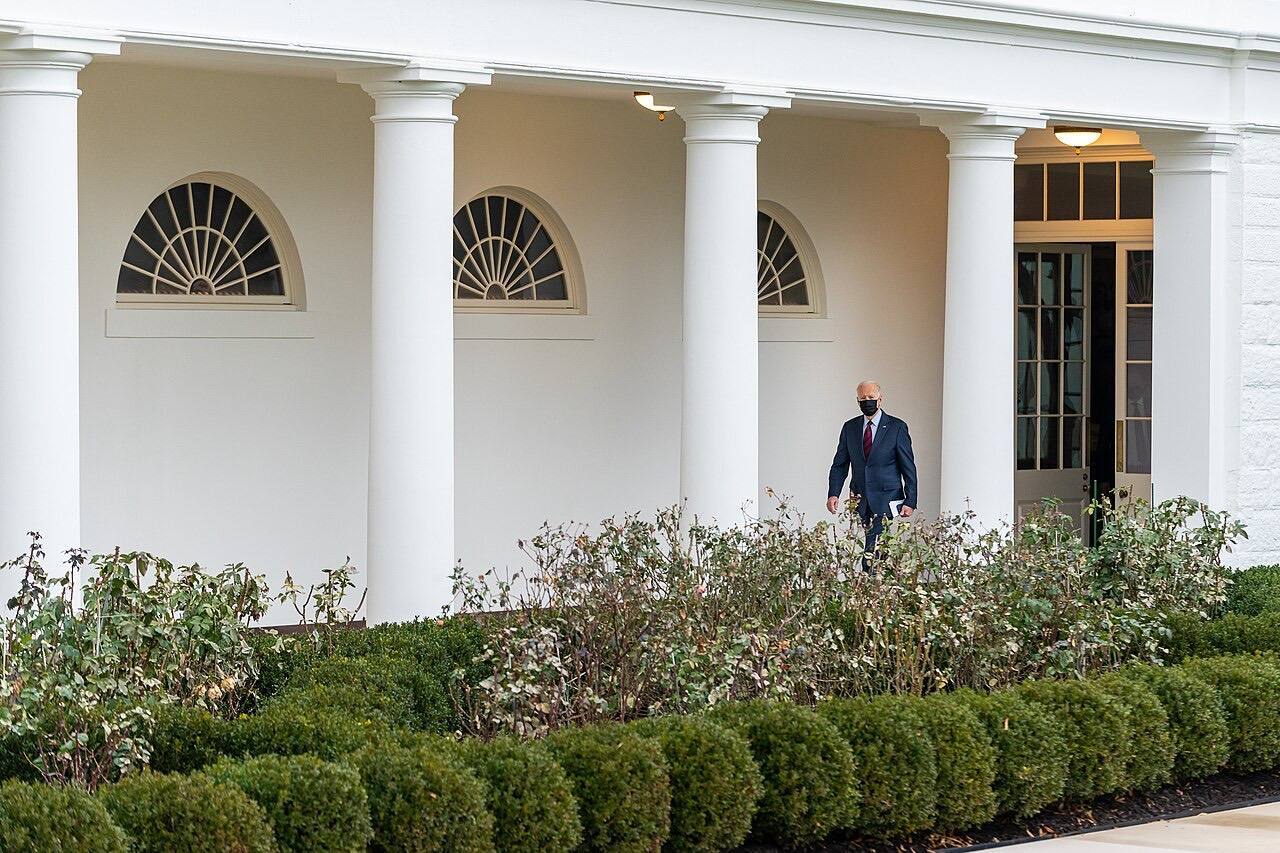
Understanding Line Item Politics
Line item politics refers to the practice of dissecting budgets and legislative proposals to focus on specific expenditures or provisions, often for the purpose of political gain. Politicians from both the left and the right have mastered this tactic, using selective narratives to shape public perception and influence voter sentiment.
On one side, we have progressive leaders who champion social justice initiatives and environmental reforms, often touting their commitment to these causes. However, when examining their voting records, we find discrepancies that raise questions about their consistency. For instance, while advocating for expansive healthcare reforms, some Democratic representatives have voted against funding for critical public health initiatives that don't align perfectly with their ideological framework.
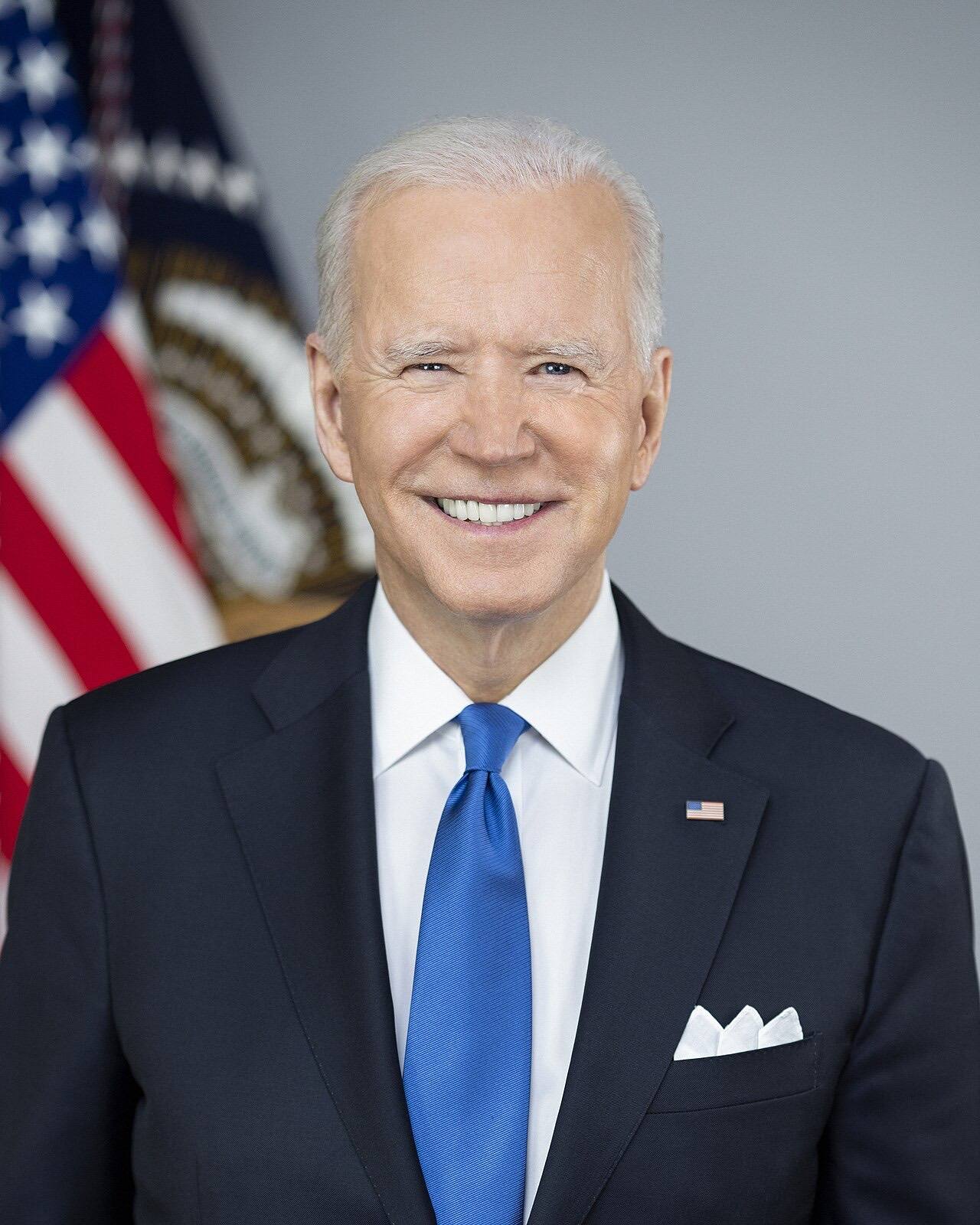
Conversely, conservative politicians frequently highlight their commitment to fiscal responsibility and national security. Yet, this rhetoric often clashes with their support for military spending that exceeds what many experts deem necessary, alongside tax cuts that disproportionately benefit wealthy individuals. Their line item critiques of social programs often ignore the broader context of poverty and inequality that these programs aim to address.
The Left’s Selective Narratives
Progressive lawmakers have been particularly adept at leveraging line item politics to galvanize their base. They often highlight funding for green energy projects or increased funding for public education as evidence of their commitment to progressive values. However, these claims often gloss over the compromises made in negotiations that dilute the effectiveness of such initiatives.
For example, while many Democrats campaigned on the promise of free college education, their support for budget allocations that increase tuition assistance programs falls short of this ambitious goal. Critics argue that the rhetoric surrounding these initiatives is more about optics than tangible change, which can alienate those who expected more substantial reform.
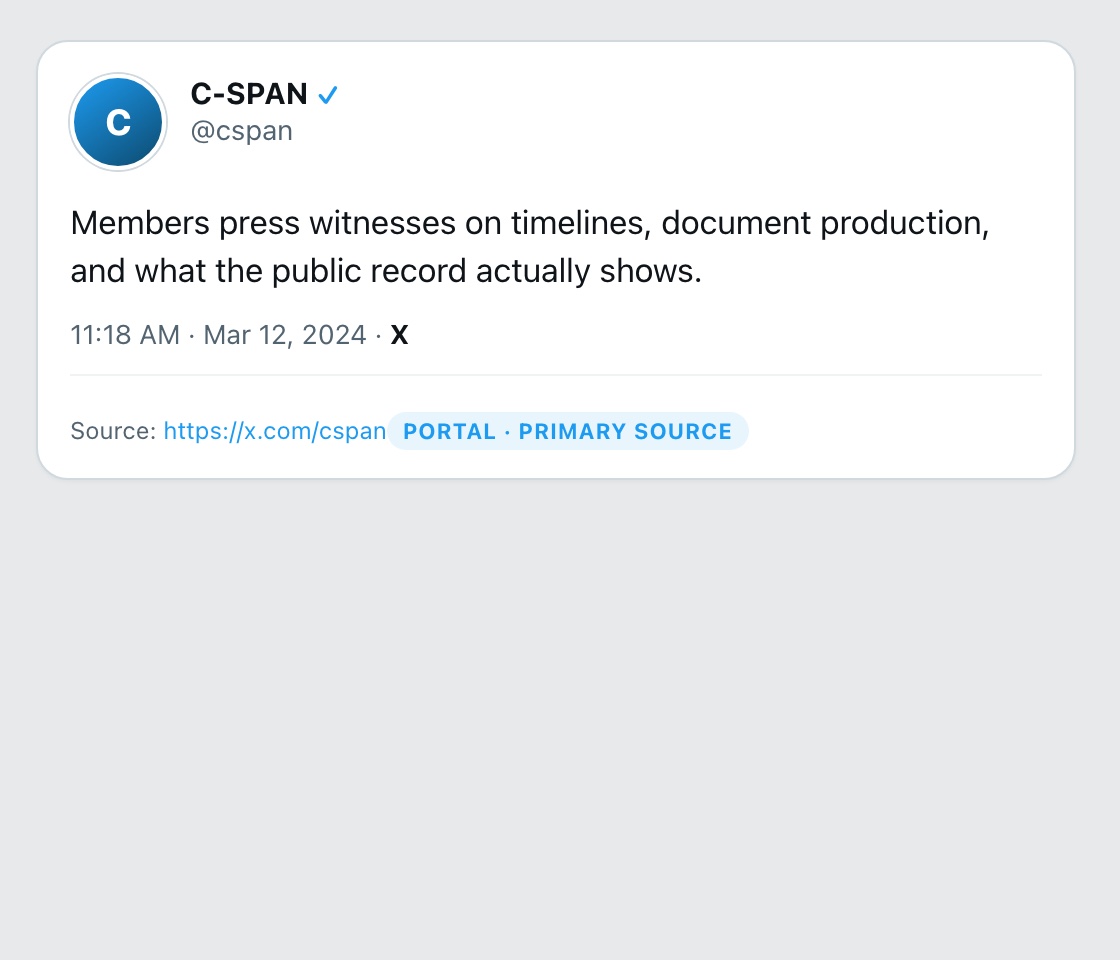
"Political narratives often ignore the complexities of governance, reducing multifaceted issues to simple talking points."
The Right’s Fiscal Contradictions
On the other side of the aisle, the GOP has been quick to position itself as the party of fiscal conservatism, yet their actions tell a different story. The latest budget proposals reveal a penchant for increased defense spending without a corresponding increase in accountability or oversight. This disconnect raises valid questions about their commitment to fiscal responsibility.
In recent years, the Republican Party has also adopted a more populist approach, advocating for tax cuts aimed at the middle class. However, the reality is that many of these cuts disproportionately favor the wealthy, further exacerbating income inequality. This contradiction has led to internal strife within the party, as some factions call for a return to traditional fiscal conservatism while others embrace a more populist approach.
The Media’s Role in Line Item Politics
The media landscape has played a crucial role in shaping the narrative around line item politics. Sensational headlines often prioritize conflict over nuance, leading to an oversimplification of complex issues. This has resulted in a polarized electorate that is more inclined to consume news that confirms their existing biases than to engage with the multifaceted nature of political decision-making.
Both sides have capitalized on this media environment, using it to amplify their respective narratives while dismissing the more inconvenient truths that lie within their records. As a result, voters are often left with distorted perceptions of reality, making it increasingly difficult for them to hold their representatives accountable.
A Call for Accountability
As we approach the next election cycle, it is crucial for both politicians and the media to prioritize transparency and accountability. Voters deserve to know not only what their representatives claim to support but also the implications of their legislative choices. The growing chasm between public claims and the record must be bridged to restore trust in our democratic institutions.
The stakes are high, and the need for genuine engagement is more pressing than ever. If politicians continue to manipulate line item politics for their own gain, we risk further alienating the very constituents they purport to serve. It is time for both sides to move beyond the sound bites and focus on the substantive issues that affect the lives of millions.
✦ ✦ ✦