From the file. Written for the paper dated September 2026. Opened in the public stacks July 14, 2026.
In an era defined by extreme partisanship, the essential function of oversight has become a contentious battleground, revealing the incentives that drive both sides of the political spectrum.
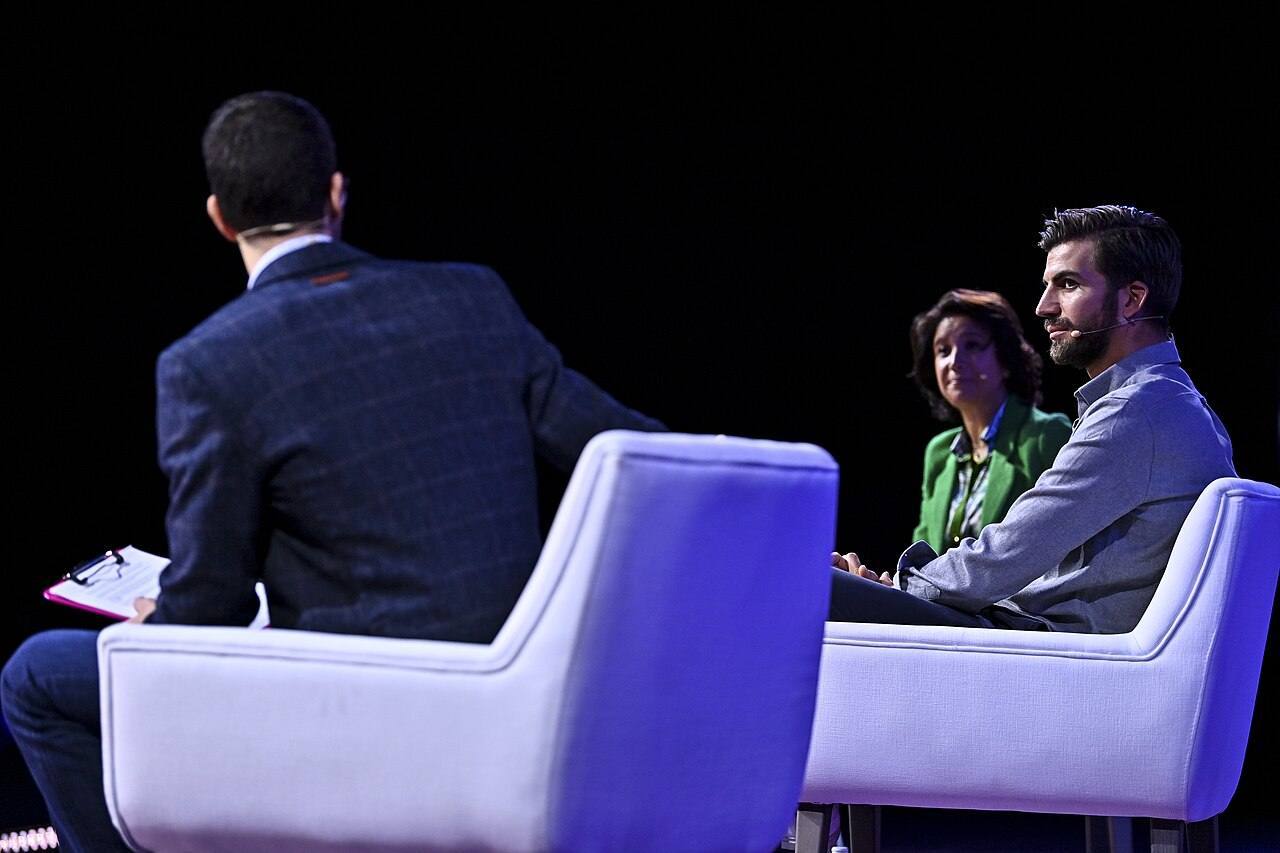
Understanding Oversight
Oversight is a fundamental pillar of democracy, designed to ensure accountability and transparency in government. Yet, as we navigate the tumultuous political landscape of September 2026, it is crucial to evaluate what effective oversight truly requires. Each side of the aisle appears to have its own interpretation, often shaped by political expediency rather than a genuine commitment to the principles of governance.
Left-Wing Oversight: The Quest for Justice
For many on the left, oversight is viewed primarily through a lens of social justice and equity. The push for increased scrutiny often stems from a desire to address systemic inequalities and to hold powerful entities accountable for their actions. This can manifest in aggressive investigations and calls for reform in various sectors, from law enforcement to corporate governance. However, this desire for accountability can sometimes morph into an excess of zeal, leading to accusations of witch hunts rather than measured oversight.

"Oversight should be about accountability, not retribution."
In their quest for justice, some progressives may prioritize ideological purity over balance. This has led to situations where legitimate oversight initiatives are overshadowed by partisan motivations, ultimately eroding public trust in the institutions meant to serve them. When oversight becomes a tool for political gain, it risks alienating those it aims to protect.
Right-Wing Oversight: The Defense of Liberty
Conversely, the right often frames oversight as a threat to individual liberties and free enterprise. Many conservatives view excessive oversight as governmental overreach that stifles innovation and personal freedoms. Their response has often involved advocating for reduced regulatory frameworks and a more hands-off approach to governance. However, this perspective can lead to a dangerous disregard for accountability, as it opens the door for unethical practices to flourish unchallenged.
"Freedom without accountability can quickly devolve into chaos."
In this climate, the right must recognize that a complete absence of oversight can lead to abuses of power, eroding the very freedoms they seek to protect. The challenge lies in finding a middle ground that preserves individual liberties while ensuring that those in power remain answerable to the public.
The Middle Ground: A Call for Genuine Oversight
As we assess the current state of oversight, it is clear that both sides must reevaluate their incentives. For the left, this means focusing on accountability without allowing partisanship to cloud their judgment. For the right, it requires acknowledging that oversight is not inherently anti-business or anti-freedom, but rather a necessary component of a functioning democracy.
Ultimately, effective oversight necessitates a collaborative approach, one that recognizes the value of diverse perspectives while remaining anchored in the principles of transparency and accountability. The political theater that often characterizes oversight efforts needs to be replaced with genuine dialogue and compromise. Only then can we hope to restore public confidence in our governmental institutions.
The Road Ahead
As we move forward, both sides must grapple with the consequences of their current approaches to oversight. The left should consider how to uphold their values without descending into partisanship, while the right must embrace the idea that accountability can coexist with freedom. Finding this balance is not just a political necessity but a moral imperative.
The current state of political discourse leaves much to be desired. Citizens are often left feeling disillusioned as they witness their representatives prioritize party loyalty over the welfare of the public. The time has come for both the left and the right to take a step back and recognize that effective oversight is not merely a tool for political maneuvering but a vital component of a healthy democracy.
✦ ✦ ✦