From the file. Written for the paper dated September 2026. Opened in the public stacks July 14, 2026.
As the nation grapples with the implications of military engagement, the war powers debate reignites, revealing both the left and the right's troubling tendencies toward excess.
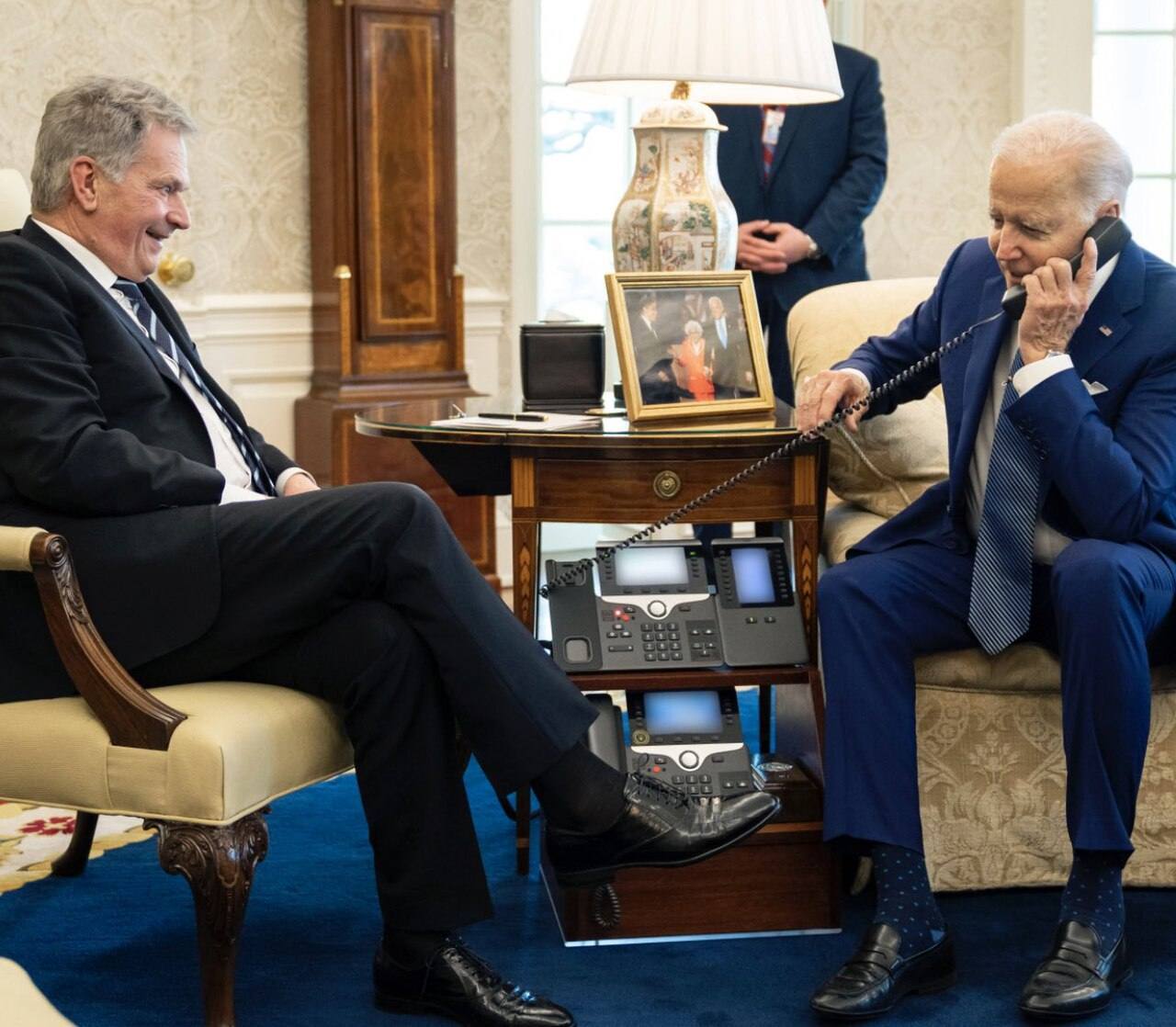
The Political Landscape of War Powers
The conversation surrounding war powers has taken center stage once again, with tensions simmering over military decisions that seem to bypass congressional approval. Both sides of the aisle are complicit in the ongoing erosion of legislative authority when it comes to matters of war. The left, historically cautious about military intervention, is now positioned as a defender of executive overreach, while the right has often championed a military-first approach that can lead to reckless decisions.

At the heart of the debate lies the War Powers Resolution, a law designed to check the president's ability to commit the United States to armed conflict without congressional consent. Yet, as recent events unfold, it appears the resolution is being disregarded by both political factions for their own strategic gains.
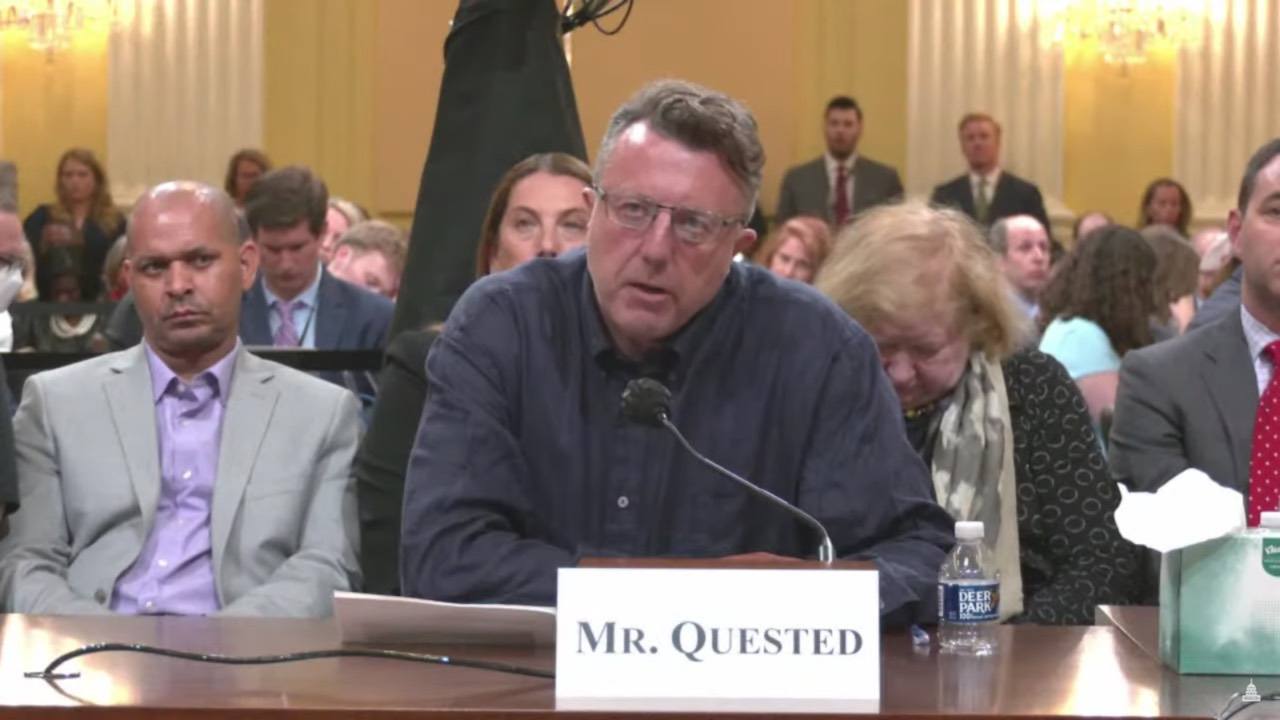
“The war powers debate is not just about authority; it’s a reflection of our national priorities and values.”
The Left's Dilemma
Progressives have long advocated for a more restrained approach to foreign intervention, yet in recent months, some have seemingly abandoned these principles in favor of a more assertive stance. The rationale is that the threat of authoritarian regimes necessitates a strong response. However, this shift raises questions about the integrity of the left's commitment to diplomacy and multilateralism.

While the fear of global instability is valid, the response from the left often appears to be a knee-jerk reaction rather than a well-considered strategy. The focus on military solutions, even under the guise of humanitarian intervention, risks perpetuating a cycle of violence that undermines the very values they seek to protect.
The Right's Recklessness
On the other hand, conservatives have historically embraced military engagement as a primary tool of foreign policy. The current Republican leadership continues to advocate for a robust military presence abroad, often framing it as a matter of national pride and security. Yet, this unwavering commitment to military might often glosses over the complex realities on the ground.

This approach has led to an alarming normalization of military action as the first response rather than the last resort. Critics argue that such a stance not only endangers American lives but also fosters resentment and hostility towards the United States in regions that need our support the most. The right's tendency to prioritize military solutions over diplomatic ones is a dangerous excess that could have long-term repercussions.
“Both parties need to reflect on their motivations and the consequences of their actions on the global stage.”
Incentives and Consequences
Incentives on both sides of the aisle play a crucial role in shaping the war powers debate. For progressives, the desire to appear strong against perceived threats can lead to an embrace of military engagement that contradicts their own principles. Meanwhile, conservatives may feel pressured to support aggressive military actions to align with their base's expectations, even when the strategic rationale is weak.
This political theater often overshadows the realities of war, which include loss of life, economic consequences, and long-term instability. The public is left with a stark choice: support a party that has strayed from its foundational values or remain disillusioned by a system that seems to favor militarism over diplomacy.
A Call for Accountability
As the war powers debate unfolds, it is imperative for both parties to be held accountable for their actions and rhetoric. A commitment to transparency and a genuine evaluation of military strategies is essential. The American public deserves leaders who prioritize diplomacy and collaboration, not just military might.
Moreover, Congress must reclaim its role in approving military actions, ensuring that decisions are made with the full consideration of their implications. The current climate of executive overreach must be challenged to preserve the checks and balances that are foundational to our democracy.
In this polarized environment, it is easy to lose sight of the shared responsibility that both parties have in shaping a coherent and principled foreign policy. As citizens, we must advocate for a more thoughtful approach to military engagement, one that reflects our values and aspirations as a nation.
✦ ✦ ✦