From the file. Written for the paper dated September 2026. Opened in the public stacks July 14, 2026.
As the nation grapples with climate-related disasters, the response to disaster declarations has revealed troubling incentives that both parties exploit for their own agendas.
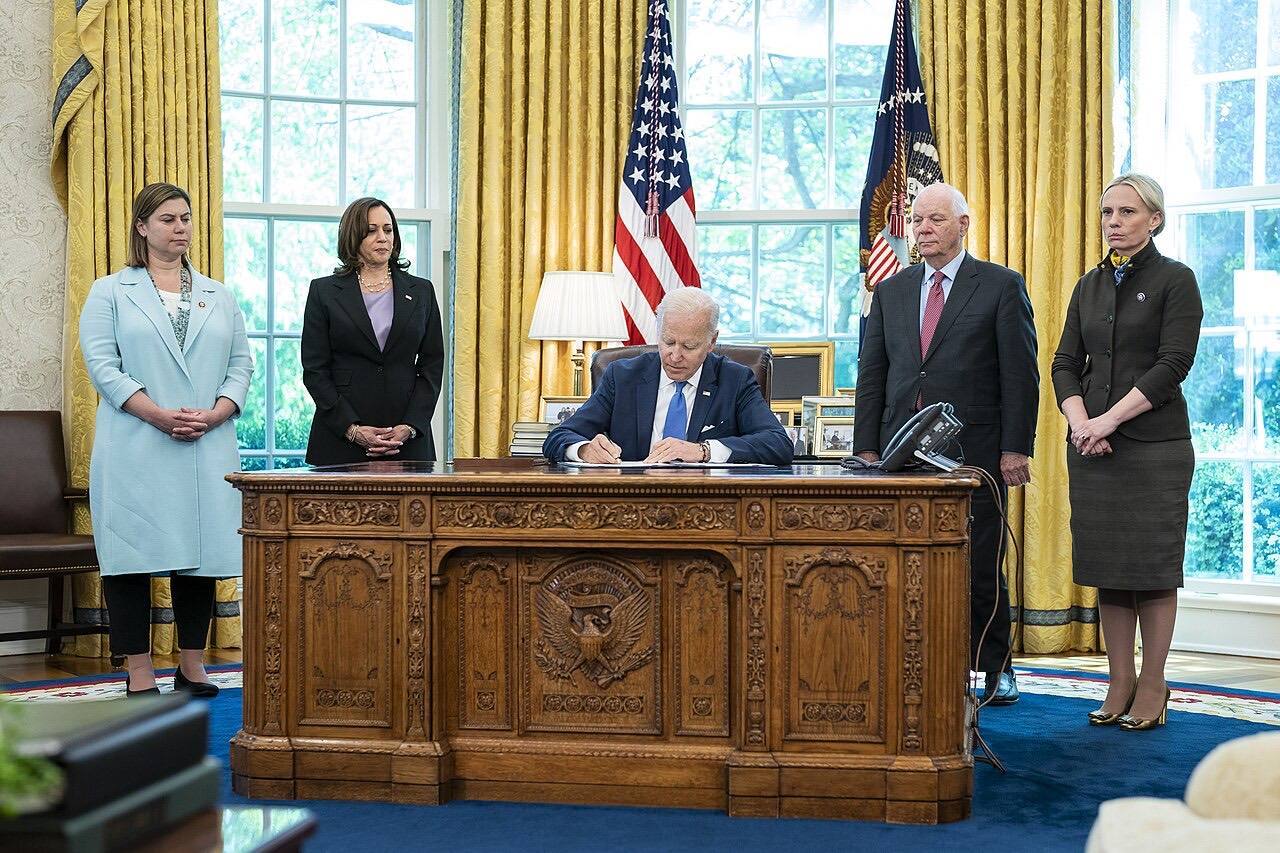
Understanding the Landscape of Disaster Declarations
Disaster declarations have become an essential mechanism for allocating federal resources to states grappling with severe weather events. Yet, as we observe the routine passing of these declarations, it's critical to scrutinize the motivations behind them. The reality is that both sides of the political aisle seem to be leveraging these emergencies to push their particular narratives and agendas, often at the cost of genuine relief efforts.
The Left's Push for Progressive Policies
On the left, there is a strong push to use disaster declarations as a platform for advocating broader climate change legislation. Many Democratic leaders are eager to tie federal relief to ambitious environmental policies. While addressing climate change is undeniably important, the tactic of linking disaster relief to sweeping reforms can delay immediate assistance for affected communities. It risks making disaster response a bargaining chip in a larger political game, rather than a straightforward effort to support those in immediate need.
"Disaster relief should be about saving lives, not serving as a vehicle for political agendas."
Moreover, some progressives argue that the urgency of climate disasters necessitates a quick pivot toward extensive societal reforms. However, this perspective often overlooks the complexity of immediate disaster relief, where practical solutions are needed more than ever. The pursuit of broad climate policies can inadvertently alienate moderate voters who may feel overwhelmed by the enormity of proposed changes, thereby fracturing potential support for necessary relief.
The Right's Focus on Fiscal Responsibility
Conversely, the right is often fixated on fiscal responsibility, arguing against what they perceive as excessive government spending in the wake of disasters. Republican leaders frequently emphasize the need for accountability and efficiency in disaster relief funding, but this often translates into delaying crucial assistance until strict budgetary measures are met. This approach may resonate with their base, who prioritize fiscal conservatism, but it can have devastating consequences for those who are waiting for aid.
"For many, waiting for aid to trickle down could mean the difference between recovery and despair."
The critique of government spending is valid, but when it becomes a barrier to timely disaster relief, it raises ethical questions about the priorities of those in power. The insistence on stringent budgetary scrutiny during desperate times can lead to a perception that human lives are secondary to balancing the budget. This stance can be seen as a political maneuver, where the party seeks to distinguish itself from perceived leftist excesses, but at what cost to the individuals affected by disasters?
The Middle Ground: Finding Common Solutions
Both sides of the aisle must recognize that disaster declarations should not be mired in political posturing. There is an urgent need for a bipartisan approach that prioritizes the immediate needs of disaster-stricken communities over political gain. Solutions should focus on streamlining the relief process and ensuring that aid reaches those who need it most, without unnecessary delays or conditions attached.
It is time for legislators on both sides to rise above their respective incentives and prioritize the well-being of their constituents. This requires setting aside partisan differences and focusing on crafting a cohesive disaster response strategy that is both efficient and compassionate.
Conclusion: A Call for Pragmatism
As the climate crisis continues to exacerbate the frequency and severity of natural disasters, the importance of an effective and timely federal response cannot be overstated. Both the left and the right must commit to a collaborative approach that prioritizes the urgent needs of those affected, rather than using disaster declarations as a platform for political agendas. The time for action is now, and the stakes could not be higher.
✦ ✦ ✦