From the file. Written for the paper dated August 2026. Opened in the public stacks July 14, 2026.
As the echoes of military briefings fade, the debate over war powers increasingly reveals the complexities and consequences of decisions made far from the public eye.

The Anatomy of War Powers
The ongoing discourse surrounding war powers is marked by a conspicuous tension between the executive branch’s authority and the legislative branch's oversight. In the current context of heightened global conflict, this debate has intensified, prompting renewed scrutiny over how decisions are made and communicated to the public. With each military engagement, the question arises: who truly holds the power to declare war?
Proponents of a robust executive role argue that swift action is essential in a world where threats can escalate rapidly. They contend that the president must have the latitude to respond decisively to immediate dangers without the delays that congressional approvals might impose. Yet, this perspective often overlooks the long-term ramifications of such unilateral decisions, both domestically and internationally.
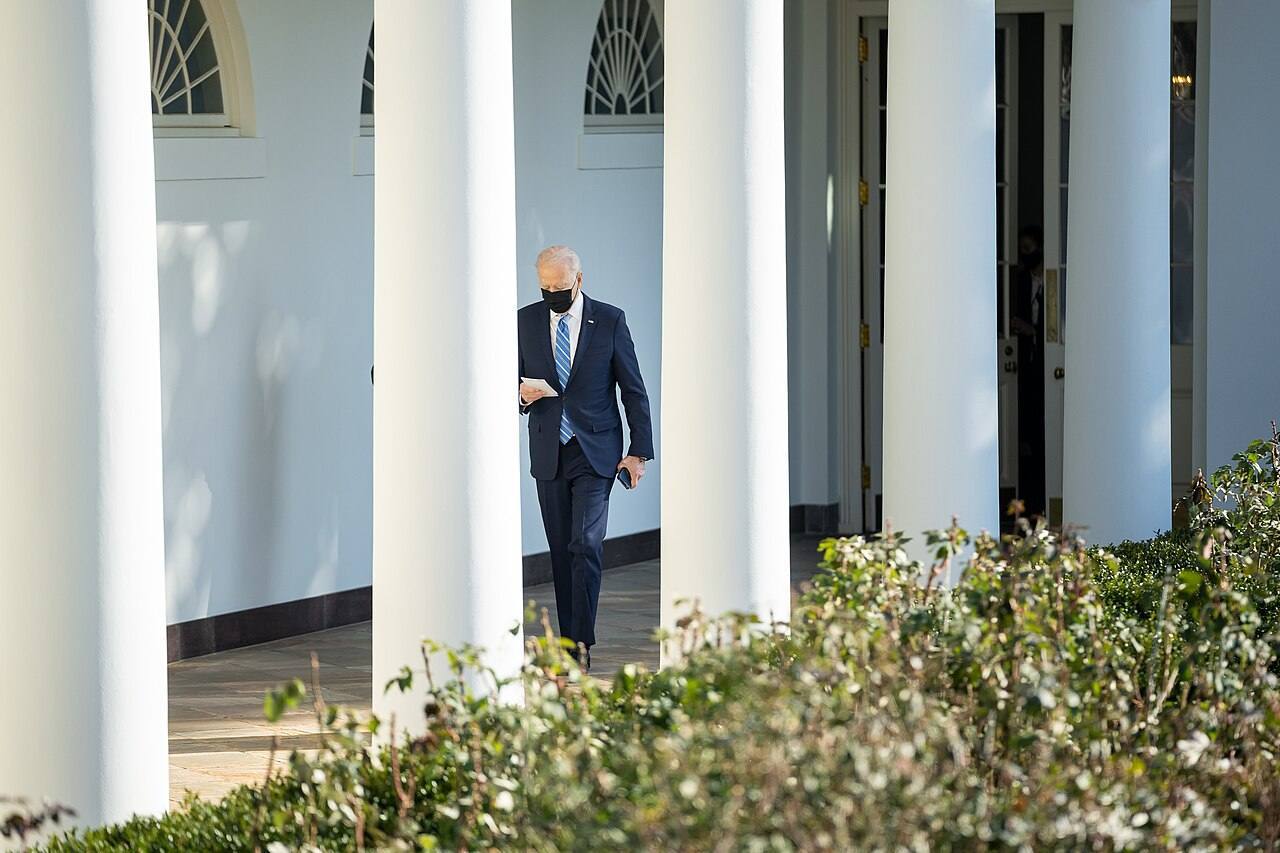
"In an emergency, every second counts; but at what cost to democracy?"
Conversely, critics of executive overreach emphasize the necessity of congressional involvement, warning that unchecked power can lead to military entanglements that lack public support. They argue that the legislative branch must reclaim its constitutional responsibility to declare war, thereby ensuring that military actions reflect the will of the people. However, this call for restraint sometimes veers into a reluctance to act at all, leaving the nation vulnerable during critical moments.

Voices Silenced in the Briefings
One of the most striking aspects of the war powers debate is what goes unmentioned in official briefings and public statements. For instance, the human cost of military action - both for American service members and the civilian populations in conflict zones - often receives scant attention. While leaders may tout the precision of modern warfare, the reality is that collateral damage continues to inflict pain and suffering on innocents, undermining any claims of moral superiority.
Moreover, the economic implications of prolonged military engagements are frequently glossed over. The funds allocated for overseas operations could instead be directed toward pressing domestic issues such as healthcare, education, and infrastructure. Yet, the political will to confront these choices is often absent, as both sides of the aisle become ensnared in a cycle of military spending that prioritizes defense over social welfare.

The Media's Role in Shaping the Narrative
The media plays a pivotal role in shaping public perceptions of war powers. Coverage can amplify certain narratives while neglecting others, thus influencing the broader discourse. Sensational headlines may capture immediate attention but often fail to provide the nuanced context necessary for a comprehensive understanding of military actions. This can lead to a misinformed public that either blindly supports military endeavors or vehemently opposes them without grasping the underlying complexities.
As we navigate this fraught landscape, it is imperative for citizens to demand accountability and transparency from their leaders. The absence of critical voices in the war powers debate must be addressed, ensuring a holistic view of the implications of military action. It is not enough for leaders to present military interventions as necessary evils; they must also engage in a candid dialogue about the consequences of their choices.
A Call for a Balanced Approach
Moving forward, a balanced approach to war powers is essential. This requires a commitment from both sides of the political spectrum to engage in a collaborative process that emphasizes accountability. Rather than succumbing to partisan bickering, lawmakers must come together to establish clear guidelines that protect national security while respecting democratic principles.
Moreover, the public must remain vigilant, advocating for thorough discussions that encompass the broader implications of military action. It is crucial to foster an informed citizenry that can hold both elected officials and military leaders accountable for their decisions. The stakes are too high for the discourse to be reduced to soundbites or ideological posturing.
✦ ✦ ✦