From the file. Written for the paper dated August 2026. Opened in the public stacks July 14, 2026.
As the cacophony of headlines fades, the real stories often lie in the margins of diplomatic cables that remain largely unnoticed by the public eye.
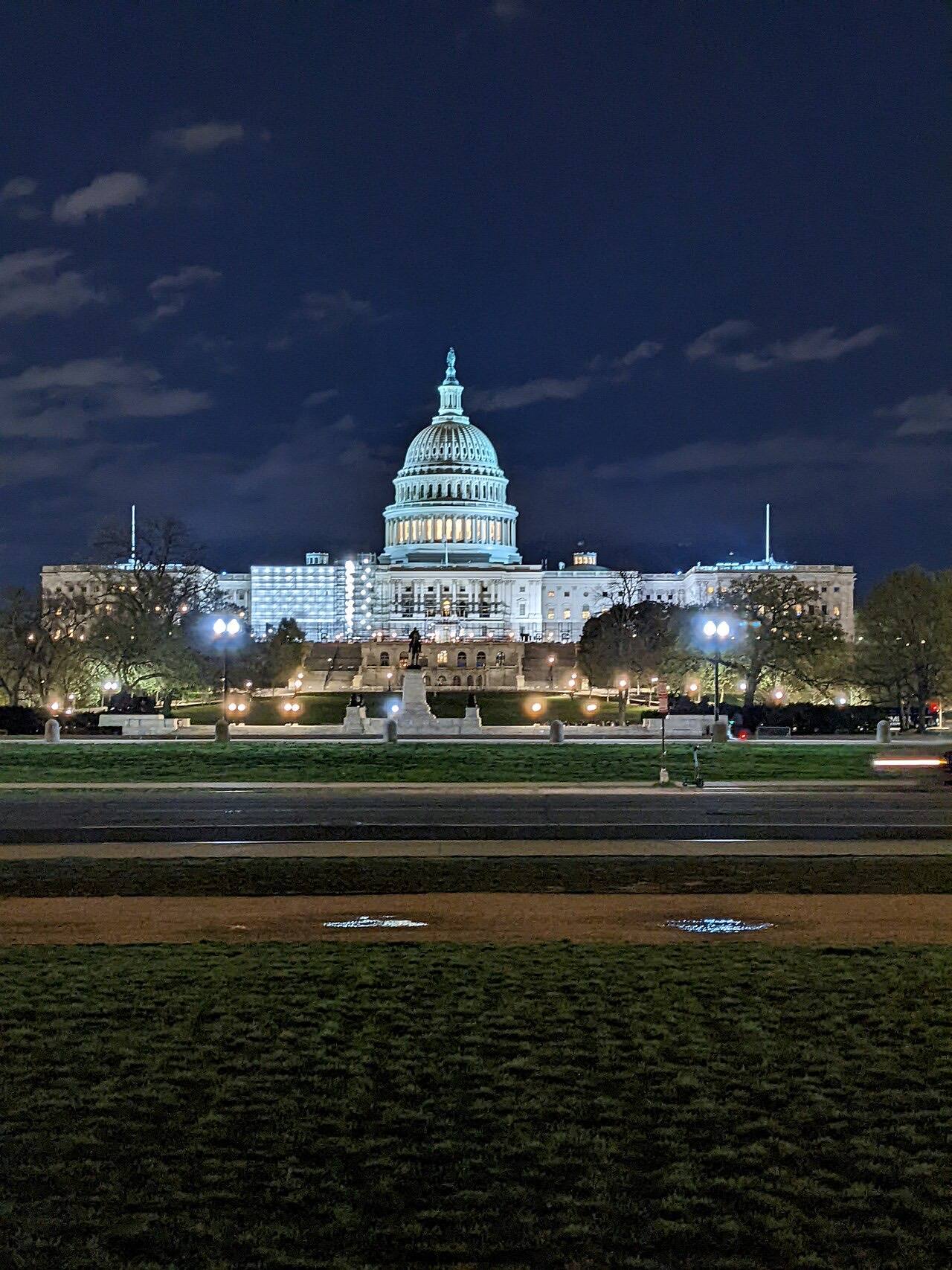
Unveiling the Overlooked
In an age where information is rushed to the forefront, the intricacies of international relations often get lost beneath the clamor of political theater. Diplomatic cables, which serve as a lifeline for policymakers, are frequently reduced to soundbites and sensational headlines. However, it is within the unfiltered details that the true implications of foreign policy are revealed.
One cannot help but notice the stark contrast in how the left and right engage with these cables. The left tends to focus on humanitarian concerns, often amplifying narratives that highlight injustices and the need for global solidarity. While these issues are undeniably crucial, this focus sometimes neglects the strategic complexities that underlie diplomatic decisions. On the other hand, the right often emphasizes national security and economic interests, framing diplomatic actions through a lens of power and dominance. This can lead to a disregard for the human element, reducing people to mere statistics in a geopolitical chess game.
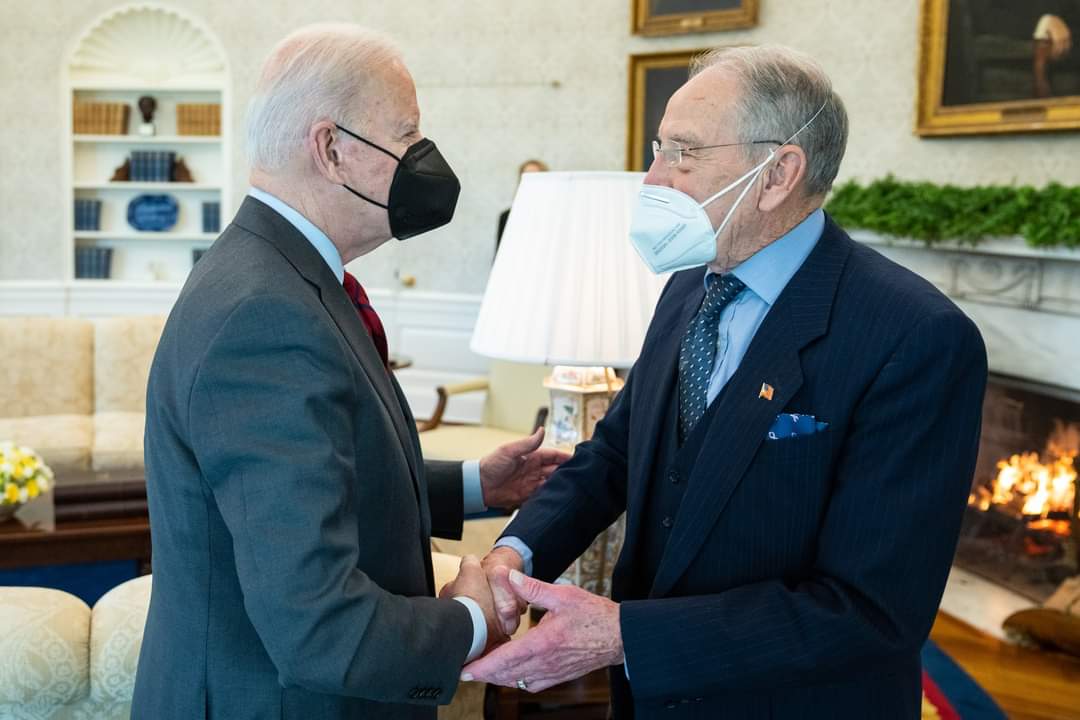
"The reality is that every diplomatic cable tells a story that transcends numbers and policy. It is about people, their struggles, and the potential for future cooperation."
What Gets Left Out
So what gets left out of these briefings? For starters, the voices of local populations often remain unheard. In many cases, the cables reflect the perspectives of diplomats and government officials, yet they fail to capture the sentiments of the citizens living in the regions affected by these policies. The nuances of local culture, history, and individual experiences are frequently overshadowed by the broader strokes of political maneuvering.

Moreover, the economic ramifications of diplomatic decisions often go unrecognized. While a cable may outline a foreign aid package or a new trade agreement, it rarely delves into the long-term impact on local economies. The benefits purportedly promised by such agreements can take years to materialize, if they materialize at all. Consequently, many communities are left in the lurch, with little reassurance that their needs will be prioritized amid shifting political landscapes.
Political Spin and the Art of Simplification
In recent years, the art of simplification has become a dangerous trend in political discourse. Both parties have fallen victim to the allure of oversimplified narratives, where complex issues are boiled down to binary choices. This is particularly evident in the realm of foreign policy, where nuanced discussions about diplomacy are reduced to slogans and catchphrases. Such rhetoric not only alienates the public but also undermines the intricate work that diplomats undertake.

The left often champions the need for diplomacy as a tool for peace, emphasizing collaboration over confrontation. However, in their zeal to advocate for a more humane approach to international relations, they sometimes overlook the necessity of maintaining national interests. Conversely, the right’s focus on strength and deterrence can lead to an aggressive posture that alienates potential allies and exacerbates tensions.
"A balanced approach is essential. Diplomacy should not sacrifice national interests on the altar of idealism, nor should it ignore the human cost of power struggles."
Bridging the Divide
As we navigate these turbulent waters, it is vital for both sides to find common ground. Bridging the divide between idealism and realism is not only a challenge but an opportunity for growth. A more holistic approach to diplomacy would involve acknowledging the importance of local voices while also safeguarding national interests. It is about crafting narratives that reflect the complexities of international relations rather than succumbing to the allure of oversimplified rhetoric.
The call for a more comprehensive understanding of diplomacy is not merely an academic exercise; it is a necessity for a world that increasingly relies on collaboration to tackle pressing issues such as climate change, migration, and global health. By embracing the intricacies of these diplomatic cables, we can foster a more informed citizenry capable of engaging in meaningful dialogue.
Conclusion
As the headlines continue to shift and evolve, it is crucial for both sides of the political spectrum to re-evaluate their engagement with diplomatic communications. By recognizing the importance of what is often left unsaid, we can cultivate a more nuanced understanding of the world around us. It is time to move beyond the simplicity of slogans and embrace the complexity that defines our global interactions.
✦ ✦ ✦