From the file. Written for the paper dated July 2026. Opened in the public stacks July 14, 2026.
As the war powers debate escalates in Congress, the data reveals a stark reality that both sides of the aisle might prefer to ignore.
The Numbers Behind the Debate
The ongoing discussion about the President's authority to initiate military action without Congressional approval has intensified as conflicts abroad continue to evolve. Both the left and right have been quick to point fingers, yet the numbers tell a more complicated story than either party would like to admit.
According to recent reports, U.S. military engagements have surged over the past decade, with a notable increase in operations classified as “limited” or “temporary.” These operations often happen without the explicit approval of Congress, raising concerns about the erosion of legislative oversight.
On one hand, proponents of executive power argue that a swift response is necessary in an increasingly volatile global landscape. They cite the need for the President to act decisively against threats that could escalate into larger conflicts. However, this perspective often dismisses the critical role Congress plays in authorizing military action and holding the executive branch accountable.
On the other hand, critics from the left argue for a more restrained approach, emphasizing that unchecked military action can lead to prolonged engagements with devastating consequences. Yet, the left's calls for restraint sometimes veer into the territory of isolationism, neglecting the complexities of international relations and the need for the U.S. to maintain a strategic presence abroad.
"Both sides seem to be playing a dangerous game, using war powers as a political tool rather than a matter of national security."
This tug-of-war between urgency and caution is evident in the statistics. A recent survey indicated that more than 60% of Americans believe Congress should have a greater say in military actions, yet support for military engagement often spikes in times of crisis. This dichotomy highlights a fundamental disconnection between public sentiment and political action.
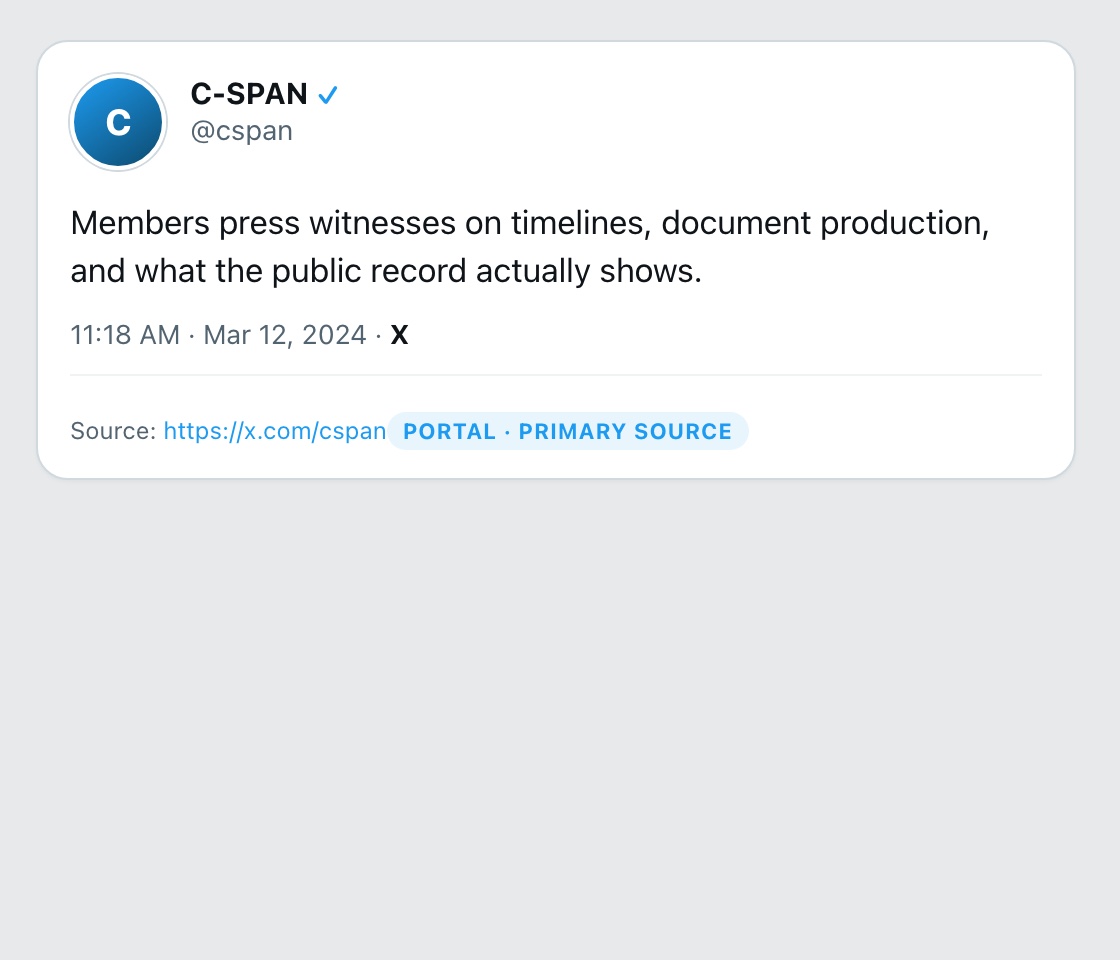
The Political Landscape
As we delve deeper into the political landscape, it becomes clear that both the left and right are engaged in a delicate balancing act. The right often touts national security as the primary justification for military action, while the left raises alarms about the potential for overreach and the humanitarian costs of warfare.
However, both sides often overlook the implications of their rhetoric. The right's insistence on unilateral action can alienate allies and sow distrust among the international community. Meanwhile, the left's focus on restraining military action can appear naive in a world where threats are often multifaceted and require immediate responses.
This polarization serves to complicate the war powers debate, as both parties cling to their narratives without adequately addressing the complexities involved. The result is a political landscape where meaningful dialogue is stifled, and the voices of those advocating for a balanced approach are drowned out.
A Call for Moderation
The current war powers debate necessitates a departure from the extremes. A more moderate approach could involve a commitment to clearer communication between the branches of government and a renewed emphasis on bipartisan cooperation in matters of national security.
For the left, this means recognizing the need for a strong military presence in an increasingly unpredictable world. For the right, it entails acknowledging the necessity of Congressional oversight and the importance of addressing the humanitarian impacts of military action.
As both sides continue to spar, it is crucial that they remember the ultimate goal: ensuring the safety and security of the American people while upholding the principles of democracy. This requires a willingness to engage in honest dialogue and a commitment to accountability.
Conclusion
In the end, the war powers debate reflects a broader struggle over the role of government in matters of national security. While it is easy for both sides to indulge in hyperbole and partisanship, the reality is that the stakes are too high for such tactics. The numbers suggest a need for a reevaluation of how military power is wielded, but this can only happen through cooperation and a shared commitment to the principles that guide our democracy.
✦ ✦ ✦