From the file. Written for the paper dated July 2026. Opened in the public stacks July 14, 2026.
As the summer of 2026 unfolds, the currency markets present a complex tapestry of volatility and opportunity, prompting both investors and observers to question the narratives shaping these financial landscapes.

The Rise and Fall of the Dollar
The U.S. dollar has experienced significant fluctuations in recent months, prompting debates among economists and market analysts. Following a period of relative strength, the dollar has weakened against several foreign currencies. This decline has raised concerns among those who view the dollar's status as the world's reserve currency as being jeopardized.
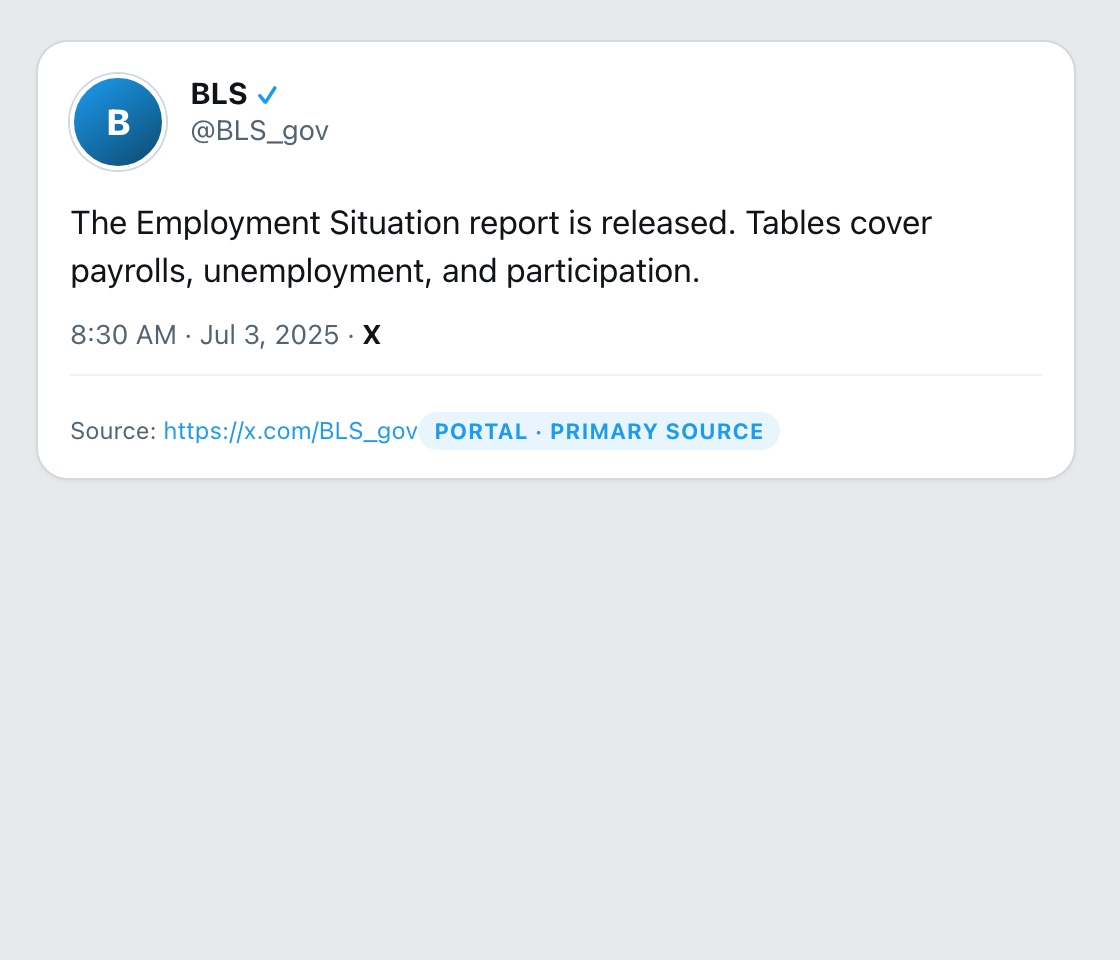
Proponents of the dollar's resilience argue that the currency remains a safe haven amid global uncertainty, citing its historical strength during crises. However, critics point to the increasing pressures from rival currencies, particularly the euro and the yuan, as indicators that the dollar's dominance may be under threat.

“The dollar's strength is a double-edged sword; it can boost U.S. purchasing power while undermining export competitiveness.”
Market Reactions to Policy Changes
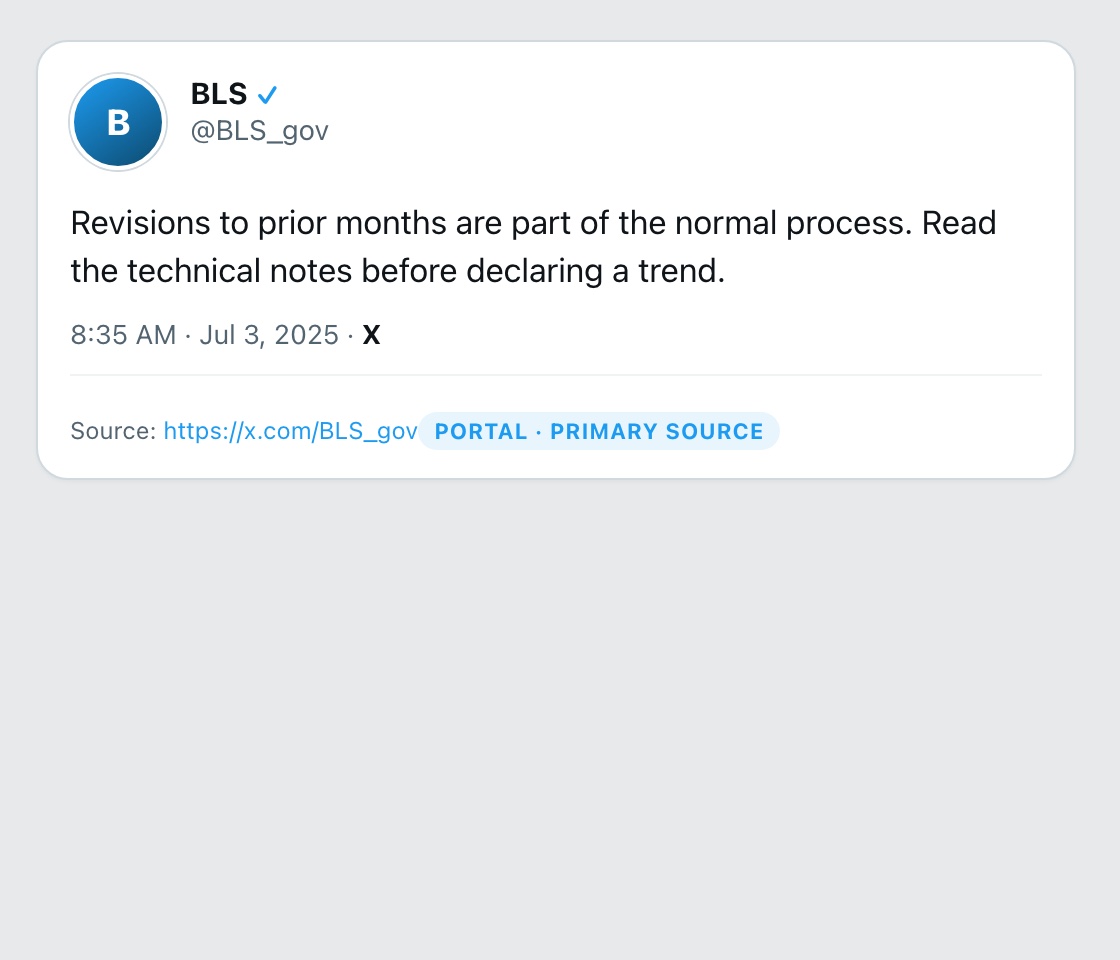
In recent weeks, the Federal Reserve has made headlines with its monetary policy adjustments aimed at combating inflation. The decision to raise interest rates has had immediate repercussions on the currency markets, as investors have recalibrated their expectations. Some argue that higher rates will attract foreign investment, bolstering the dollar. Others warn that a prolonged period of rate hikes could stifle economic growth and lead to a recession.
These divergent viewpoints highlight a broader issue in the current economic environment: the challenge of balancing inflation control with sustainable growth. While the Fed's actions are intended to stabilize the economy, they have also resulted in increased volatility in currency exchange rates. As a result, businesses and consumers alike are feeling the strain.
Global Competition and Currency Strategies
As the dollar's position wavers, other countries are seizing the opportunity to promote their currencies. China, in particular, has been aggressively pushing the yuan onto the global stage, seeking to diversify trade away from the dollar. The recent agreements between China and various nations to conduct trade in yuan have sparked discussions about a potential shift in the balance of power within currency markets.
However, the left's calls for a complete overhaul of the international monetary system often overlook the complexities involved. A sudden move away from the dollar could destabilize not just the U.S. economy but the global economy as a whole. Meanwhile, the right's unwavering commitment to dollar supremacy often ignores the need for pragmatic adaptations in an evolving marketplace.
Investing Amid Uncertainty
For investors, the current landscape poses both risks and opportunities. Currency trading has become increasingly popular, with many turning to foreign currencies as a hedge against inflation and volatility in domestic markets. However, this pursuit is not without its pitfalls. The rapid pace of change in currency values can lead to significant losses for those unprepared for the inherent risks.
Moreover, the rise of alternative currencies and digital assets has added another layer of complexity to the market. While cryptocurrencies have gained traction, their volatility raises questions about their viability as long-term investments. The tension between traditional fiat currencies and digital alternatives reflects a broader ideological divide among investors and policymakers.
“The allure of quick returns in currency trading can lead to reckless decisions, underscoring the importance of caution.”
A Call for Balanced Perspectives
As discussions around currency markets intensify, it is essential to adopt a balanced perspective that critiques both left and right excesses. The left's inclination to dismiss the dollar's significance can undermine economic stability, while the right's reluctance to acknowledge the need for adaptation may hinder progress. A nuanced approach that recognizes the complexities of global finance is crucial in navigating these turbulent waters.
Moving forward, stakeholders must prioritize collaboration and dialogue to address the challenges facing currency markets. This includes fostering an environment where diverse perspectives can coexist, enabling informed decision-making that benefits both the economy and the populace.
Conclusion
As July 2026 progresses, currency markets reflect the broader economic currents at play. The interplay between the dollar, emerging currencies, and shifting monetary policies underscores the necessity for vigilance and adaptability. In an era marked by rapid change, those who can navigate these complexities will be best positioned to succeed.
✦ ✦ ✦