From the file. Written for the paper dated June 2026. Opened in the public stacks July 14, 2026.
As the world grapples with the complexities of climate change and natural disasters, the allure of certainty is driving a surge in interest towards volcano monitoring systems. From scientists to the general public, everyone wants answers amid the chaos.
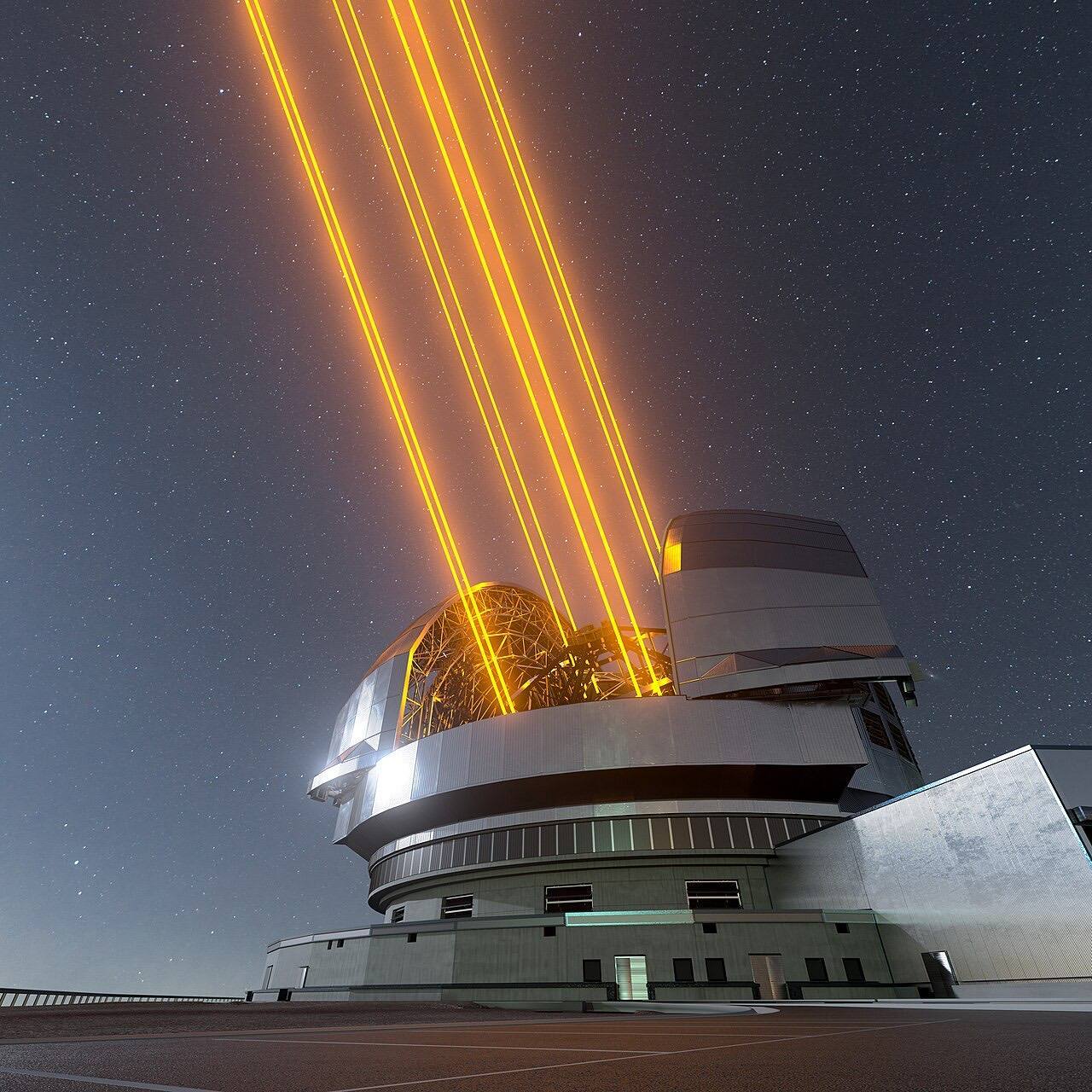
Understanding Volcano Watch
In recent years, volcano monitoring has shifted from a niche scientific endeavor to a mainstream concern, drawing attention from environmental activists, governments, and everyday citizens. The recent eruptions in various parts of the world have heightened awareness of volcanic activity, making volcano watch systems more relevant than ever.
But why is certainty regarding volcanic activity so appealing? The answer lies in our current climate of uncertainty. With climate change on the rise, severe weather events becoming more frequent, and the unpredictability of natural disasters, people are desperate for information that can help them make sense of their surroundings. Volcano monitoring promises a clearer picture, allowing communities to prepare and respond effectively.
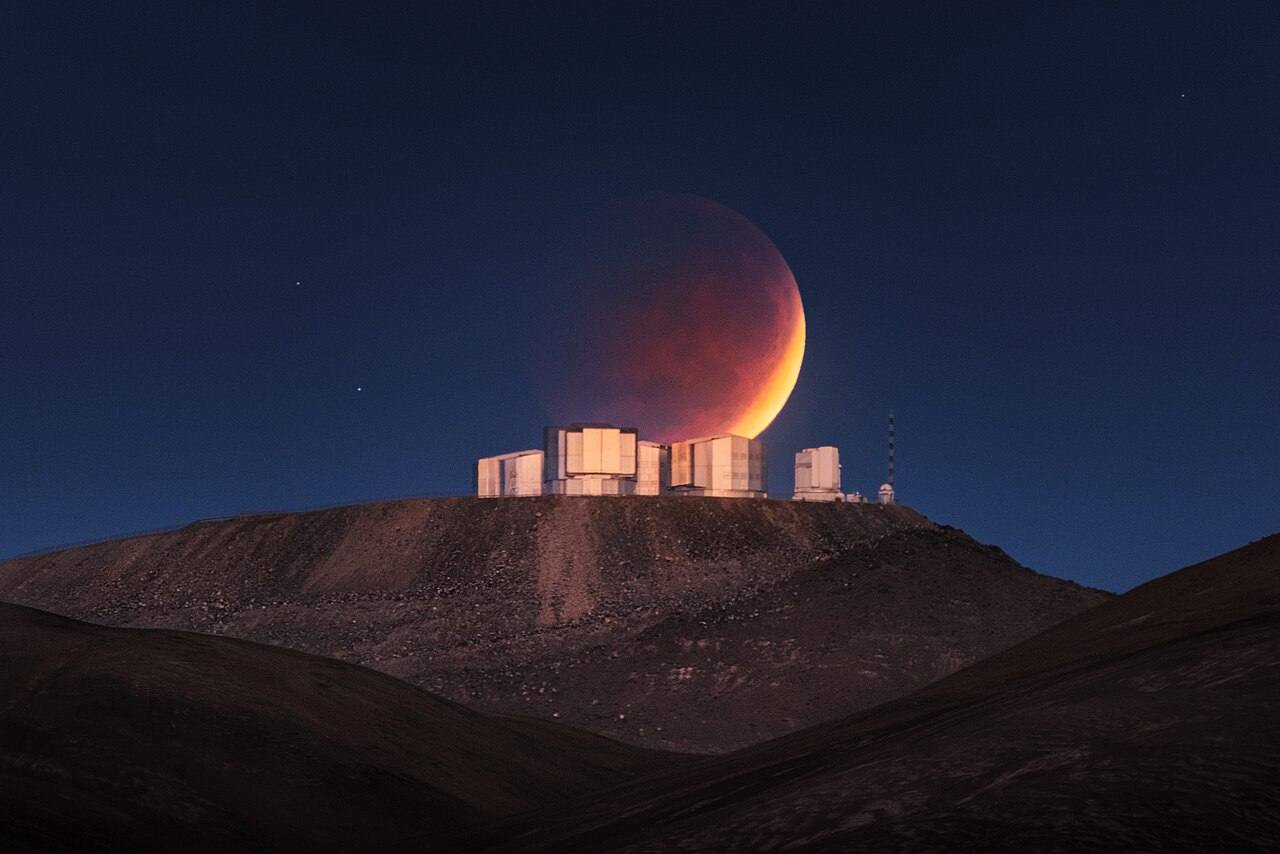
The Market for Certainty
Companies specializing in geological monitoring technologies have reported a significant upswing in demand for their services. While the scientific community has always recognized the importance of monitoring volcanic activity, the commercial sector has now stepped in to capitalize on public fear and curiosity. This raises ethical questions: Is it responsible to exploit a natural disaster for profit?
On one hand, the advancements in technology have allowed for better predictions and warnings. Real-time data feeds and sophisticated modeling techniques can offer early warnings for potential eruptions. On the other hand, the constant barrage of information can lead to sensationalism, causing unnecessary panic. News outlets often report on volcanic activity with dramatic flair, leading to a cycle of fear that fuels further demand for monitoring technologies.
"In a world where uncertainty reigns, certainty sells. But at what cost?"
The Role of Media
The media plays a pivotal role in shaping public perception of volcanoes and their hazards. While responsible reporting can raise awareness, sensationalist coverage tends to dominate headlines. The public is inundated with images of eruptions and lava flows, but often lacks context about the science behind these phenomena. This disconnect can lead to misinterpretation and, in turn, a rush for monitoring technologies that may not be necessary or effective.
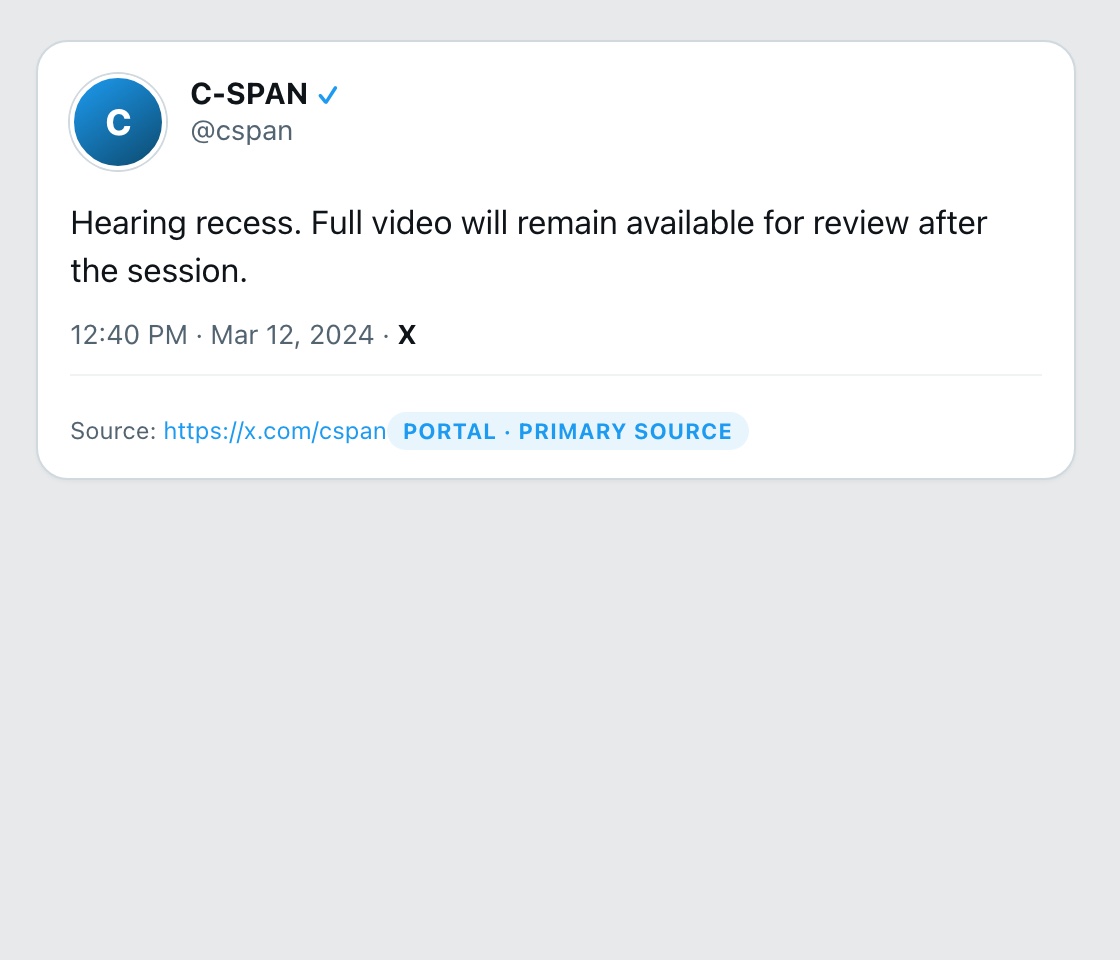
Furthermore, the media's focus on extreme events often overshadows the more mundane but equally important aspects of volcano monitoring, such as ongoing research and long-term data collection. A balanced approach is essential, as it can help foster a more informed public that understands the complexities of volcanic activity.
Left and Right: A Divided Response
In the political sphere, responses to volcanic threats reveal the excesses of both the left and right. The left often emphasizes the need for regulation and government intervention, advocating for increased funding for scientific research. While this is a valid concern, it can sometimes come at the expense of private sector innovation. The excessive push for regulation can stifle the very advancements that could improve monitoring technologies.
Conversely, the right tends to prioritize privatization and deregulation, arguing that market forces can provide better solutions. While there is merit to this argument, it risks overlooking the importance of coordinated scientific research and public safety. In a rush to profit from uncertainty, some private companies may prioritize their bottom line over the well-being of communities at risk.
A Call for Balance
As we navigate this complex landscape of volcanic monitoring, it is crucial to strike a balance between scientific integrity and public interest. Both the left and right must recognize that certainty in volcanic activity cannot be commodified without risking misinformation and exploitation. A more nuanced approach is necessary to address the urgent need for effective monitoring while fostering public trust.
Conclusion
In an age where certainty is increasingly elusive, the appeal of volcano monitoring systems will likely continue to grow. However, this demand must be tempered with responsibility. A focus on scientific accuracy, ethical considerations, and balanced media coverage can help ensure that communities are well-informed and prepared without falling prey to fearmongering.
✦ ✦ ✦