From the file. Written for the paper dated June 2026. Opened in the public stacks July 14, 2026.
As the dust settles from the latest economic reports, the conversation around factory orders is shifting from mere numbers to the deeper implications of certainty in an uncertain world.
The Current Landscape of Factory Orders
In June 2026, factory orders present a mixed but telling picture of the American economy. Amidst ongoing debates over inflation, labor shortages, and geopolitical tensions, manufacturers are experiencing an unprecedented demand for certainty. This need manifests itself not just in the orders placed but in the types of products being sought after. Companies are steering away from speculative investments, opting instead for goods that promise reliability and stability.

According to recent data, factory orders have shown a modest increase, driven primarily by sectors that are less affected by external shocks. Industries such as food production, pharmaceuticals, and essential consumer goods have seen sharp rises in orders. These sectors thrive on predictability, which is why they are drawing in investments even as other areas of the economy face headwinds.
Why Certainty is the New Commodity
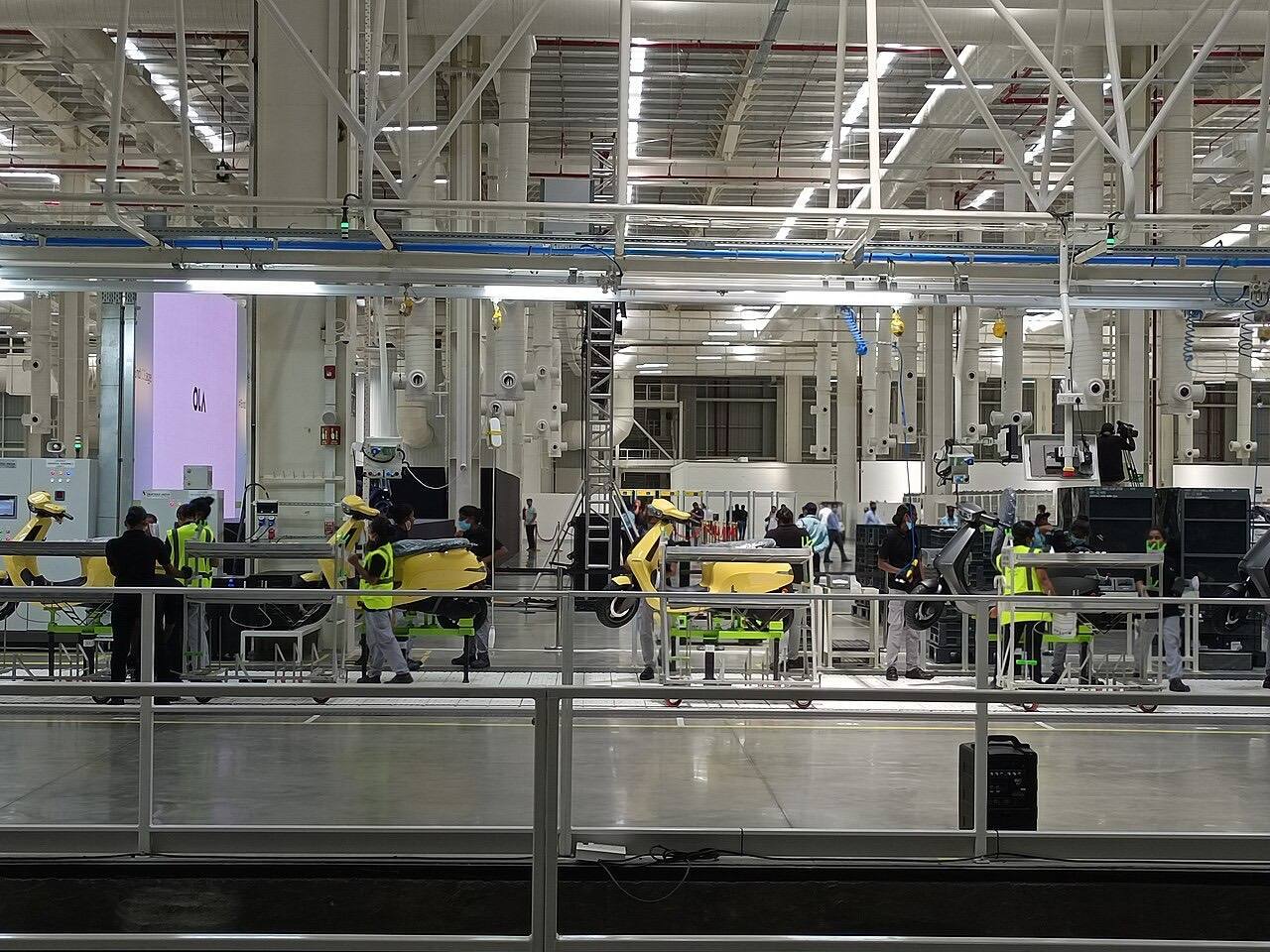
At the heart of this trend lies a fundamental shift in consumer and business behavior. In a world where external factors - such as interest rates, international trade policies, and climate events - can change overnight, the appeal of certainty is hard to overstate. Businesses are prioritizing relationships with suppliers who can guarantee timely delivery and consistent quality over those who may offer lower prices but come with risks. This is evident in the growing preference for domestic manufacturing over overseas production, as companies seek to mitigate supply chain disruptions that have plagued industries in recent years.
"In an unpredictable world, certainty is what every business is chasing."
Moreover, the power of branding and reputation is more pronounced than ever. Companies that have established themselves as reliable partners are reaping the benefits, often finding themselves with backlogs of orders they can barely keep up with. This trend is not solely confined to large corporations; small and medium-sized enterprises are also capitalizing on the demand for trusted partners in the manufacturing space.
Political Polarization and Economic Implications
While the market for factory orders is buoyed by a demand for certainty, it is critical to recognize the political landscape that surrounds these economic activities. The current administration has placed a focus on revitalizing American manufacturing, pushing for policies that support domestic production. However, critics from both sides of the aisle argue that these measures often come with excessive regulations or insufficient support for innovation.

The left argues for increased government intervention to protect workers and promote sustainable practices. Yet, excessive regulation can stifle the very innovation needed to adapt to changing market conditions. On the flip side, the right often pushes for deregulation, claiming it will unleash the full potential of American industry. However, this can lead to a race to the bottom, where quality and safety are compromised in the name of profit.
What is clear is that both extremes can hinder the growth of the manufacturing sector. The answer may lie not in the extremes, but in a balanced approach that fosters innovation while ensuring that workers are protected and products meet high standards. Only then can the American manufacturing sector truly thrive, meeting both domestic needs and global competition.
Looking Ahead
As we move further into 2026, factory orders will continue to be a bellwether for the economy. The demand for certainty in manufacturing may very well dictate how businesses navigate the choppy waters of the current economic climate. Companies that can adapt to this demand, while balancing the need for regulation and innovation, will likely emerge as leaders in the industry.
Furthermore, ongoing global issues such as supply chain disruptions, rising energy costs, and labor availability will continue to shape the landscape of factory orders. As these challenges unfold, the ability to maintain a steady flow of production while ensuring quality and reliability will be paramount. Businesses must also engage with their local economies and communities to build trust and foster resilience in their supply chains.
In conclusion, the factory orders of June 2026 tell a story of a marketplace seeking assurance amidst chaos. As the narrative unfolds, it remains to be seen how companies, policymakers, and consumers will respond to the age-old quest for certainty in an unpredictable world.
✦ ✦ ✦