From the file. Written for the paper dated June 2026. Opened in the public stacks July 14, 2026.
As headlines fade and the chaos of daily news settles, the undercurrents of diplomatic communications often reveal a deeper story - one where certainty is becoming a hot commodity in an unpredictable world.
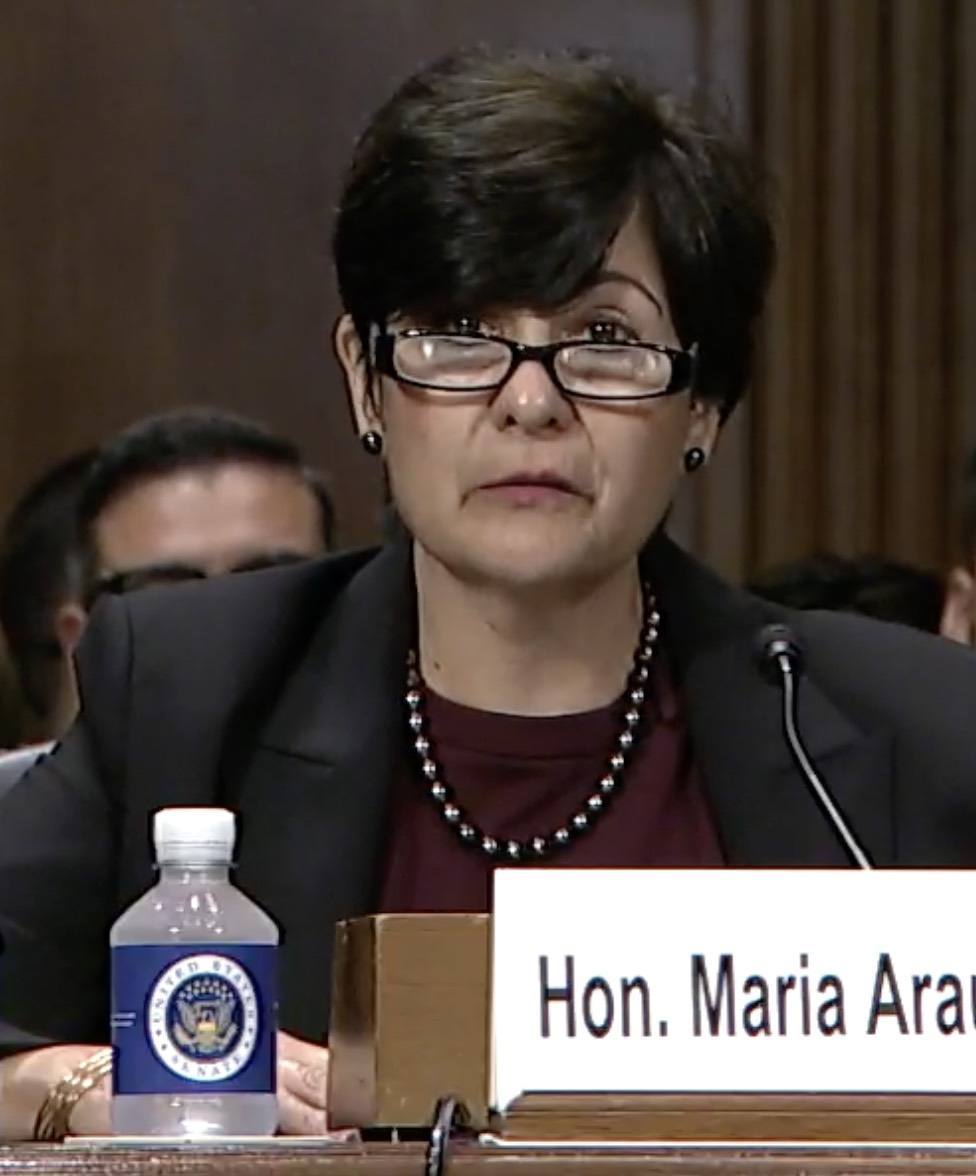
Certainty vs. Uncertainty
The world stage today feels increasingly volatile. From rising tensions in Eastern Europe to the shifting sands of alliances in the Middle East, the diplomatic landscape is fraught with uncertainty. In such times, clarity and predictability in international relations have become highly sought after. This is reflected in the recent diplomatic cables that have circulated among various nations, echoing a common theme: the desire for certainty is driving policy decisions and international negotiations.

As nations grapple with their own internal conflicts and external pressures, the need for clear-cut positions has amplified. The left often champions diplomacy as a means to avoid conflict, while the right pushes for a more aggressive stance that prioritizes national interests above all else. Both extremes, however, have created a paradox where the quest for certainty leads to oversimplified narratives and inflexible policies.
"In a world rife with unpredictability, the allure of certainty can cloud our understanding of complex international dynamics."
Political Polarization and Its Effects
Political polarization in the United States has increasingly manifested in foreign policy debates. On one side, progressives advocate for multilateralism and global cooperation, often emphasizing diplomacy as a solution to international conflicts. However, their reluctance to engage in military action can be perceived as weakness, leading to frustration among constituents who prioritize a strong national defense.

Conversely, conservatives tend to favor a more hawkish approach, advocating for decisive action against perceived threats. Their rhetoric often relies on clear delineations of "us versus them," which can oversimplify the complexities of international relations and obscure the nuances of diplomacy. This binary thinking not only complicates negotiations but also risks escalating conflicts that could be managed through dialogue.
The Role of Media in Shaping Perceptions
The media's role in shaping public perceptions of diplomacy cannot be understated. Coverage often emphasizes conflict and sensationalism, leaving little room for the nuanced discussions that underpin diplomatic cables. The focus on immediate crises overshadows the long-term strategies that diplomats work tirelessly to develop. This environment fosters an appetite for certainty, as audiences crave clear answers to complex questions.

Moreover, the 24-hour news cycle exacerbates the situation. The demand for constant updates can result in hasty interpretations of diplomatic communications, leading to a skewed understanding of international affairs. As a result, both politicians and the public may find themselves gravitating towards simplistic narratives that promise certainty, even when the reality is far more complicated.
"In the rush for clarity, we risk overlooking the rich tapestry of global relations that requires patience and understanding."
Finding Common Ground
Despite the challenges posed by political polarization and media sensationalism, there is a path forward. It requires an acknowledgment of the complexities inherent in international relations. Both sides of the political spectrum must engage in constructive dialogue, recognizing that diplomacy is not merely a tool to achieve national interests but a process that requires patience, compromise, and an appreciation for diverse perspectives.
Building trust among nations is essential, and this can only be achieved through meaningful conversations that prioritize understanding over certainty. As diplomats continue to navigate the intricacies of global politics, they must resist the temptation to oversimplify issues, recognizing that the world is not black and white.
The Future of Diplomacy
As we look ahead, the challenge for policymakers and diplomats will be to strike a balance between the desire for certainty and the need for complexity in international relations. Embracing ambiguity may be uncomfortable, but it is essential for fostering cooperation and preventing conflict. The diplomatic cables of today will shape the narratives of tomorrow, and it is crucial that we approach these communications with a mindset that values depth over simplicity.
The allure of certainty may be strong, but it is the willingness to engage with the messiness of diplomacy that will ultimately guide us toward a more peaceful and cooperative global community.
✦ ✦ ✦