From the file. Written for the paper dated June 2026. Opened in the public stacks July 14, 2026.
As the headlines fade, a creeping sense of civic boredom settles over the nation, leaving many searching for the comforting embrace of certainty.
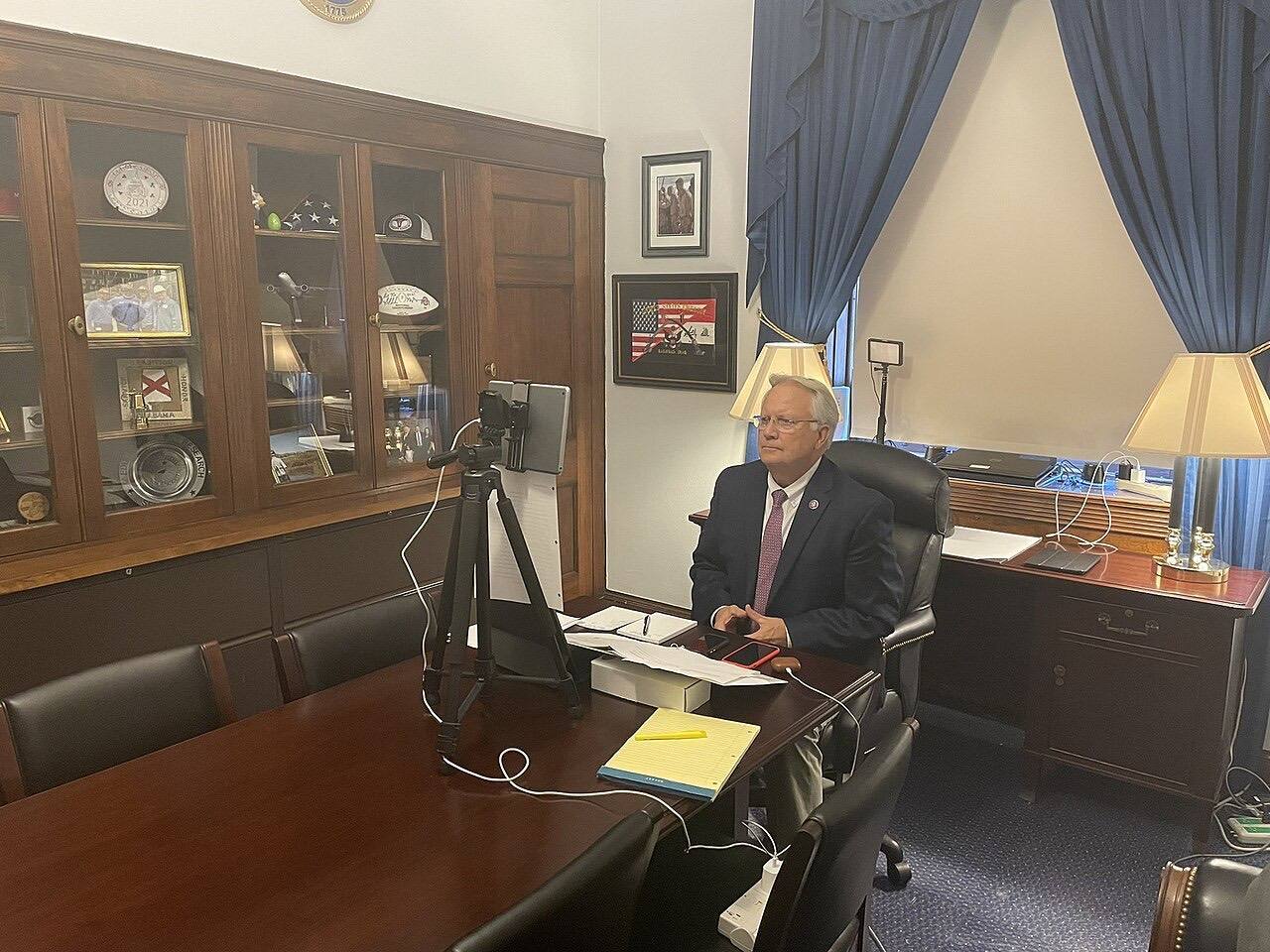
In an era where the news cycle spins faster than ever, and the public's attention is continually diverted from one crisis to another, a peculiar phenomenon has emerged: civic boredom. It seems that Americans, exhausted by the endless barrage of information, have found themselves disenchanted with the very democracy they once passionately engaged in. This malaise is not just a symptom of fatigue; it is a reflection of our collective yearning for clarity in an increasingly complex world.

The left and right extremes of our political landscape are grappling with this boredom in radically different ways. On one hand, we see the progressive left leaning into outrage culture, amplifying every injustice and perceived slight with fervor. Their fervent calls for change often drown out more measured discussions, creating an environment where only the loudest voices are heard. While their intentions may be noble, this constant state of agitation can lead to a sense of fatigue among those who long for constructive dialogue rather than relentless outrage.
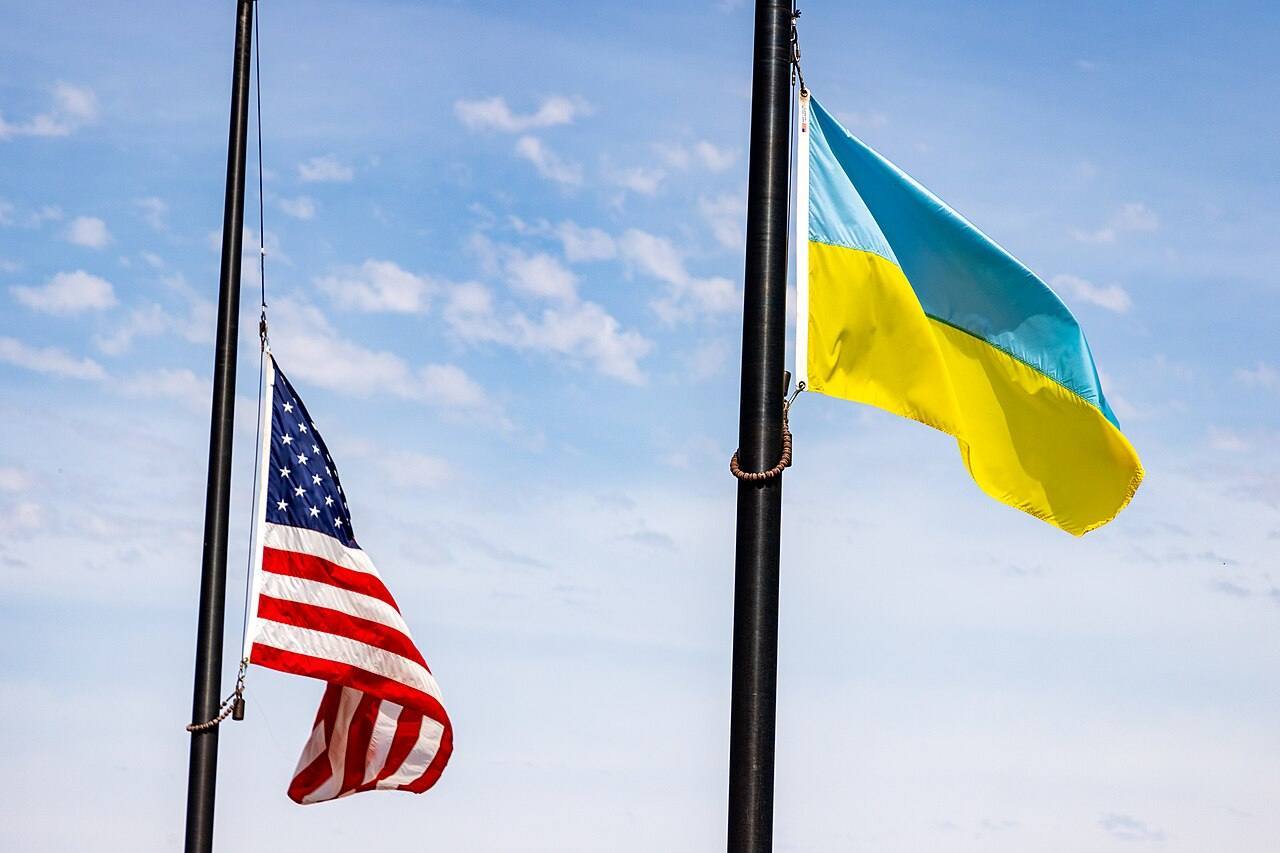
Conversely, the right has cultivated a different kind of response to civic boredom. In a bid for certainty, they have embraced a narrative that often simplifies complex issues into digestible sound bites. This approach appeals to those who crave clarity and reassurance in uncertain times, but it often comes at the cost of nuance. By offering a black-and-white view of the world, the right provides a comforting balm for those weary of the messy realities of governance.

The Allure of Certainty
The desire for certainty is not inherently negative; it reflects a fundamental human need for understanding and security. In uncertain times, people gravitate toward messages that affirm their beliefs and offer easy solutions. This trend is visible not only in politics but also in various aspects of society, from economic discourse to social issues. As complexity grows, so too does the allure of certainty.
Many citizens are seeking out platforms and figures that promise clear answers, even if those answers are oversimplified. The rise of populism across the political spectrum can be traced, in part, to this yearning for certitude. Leaders who position themselves as outsiders, unafraid to challenge the status quo, tap into a deep-seated frustration that resonates with those who feel marginalized by traditional political discourse.

"In uncertain times, people gravitate toward messages that affirm their beliefs and offer easy solutions."
However, this craving for clarity poses dangers. When people choose certainty over complexity, they risk shutting down critical thinking and discouraging the exploration of new ideas. In this environment, echo chambers thrive, reinforcing existing biases and further entrenching divisions. Civic engagement becomes a contest of loyalty rather than a collaborative effort to address societal challenges.
The Role of Media
Media organizations play a crucial role in shaping public perceptions and responses to civic boredom. In their quest for ratings and clicks, many outlets have leaned into sensationalism, prioritizing eye-catching headlines over substantive reporting. This trend contributes to the cycle of outrage and certainty, as sensational stories often overshadow nuanced discussions of pressing issues.
Moreover, the rise of highly partisan media has exacerbated the divide between left and right. Each side crafts narratives that reinforce their respective worldviews, further alienating those who seek a more balanced perspective. As a result, the public is left with a fragmented understanding of issues that require comprehensive solutions.
To combat this civic boredom and the accompanying allure of certainty, we must foster an environment that encourages critical thinking and open dialogue. This requires a collective effort to seek out diverse viewpoints, challenge our own biases, and engage with the complexities of the world around us. Only then can we break free from the shackles of boredom and rediscover the vibrancy of civic life.
Conclusion
In a time when headlines fade and outrage becomes routine, it is essential to recognize the underlying currents of civic boredom that affect our society. Both the left and right must grapple with their respective excesses, understanding that the pursuit of certainty can lead to stagnation and division. By embracing complexity and fostering respectful discourse, we can reignite the passion for civic engagement and build a more informed, connected citizenry.
✦ ✦ ✦