From the file. Written for the paper dated May 2026. Opened in the public stacks July 14, 2026.
As the 2026 election cycle heats up, the issue of campaign finance remains a contentious topic, revealing a bipartisan habit of selective memory that shapes political narratives and influences public opinion.
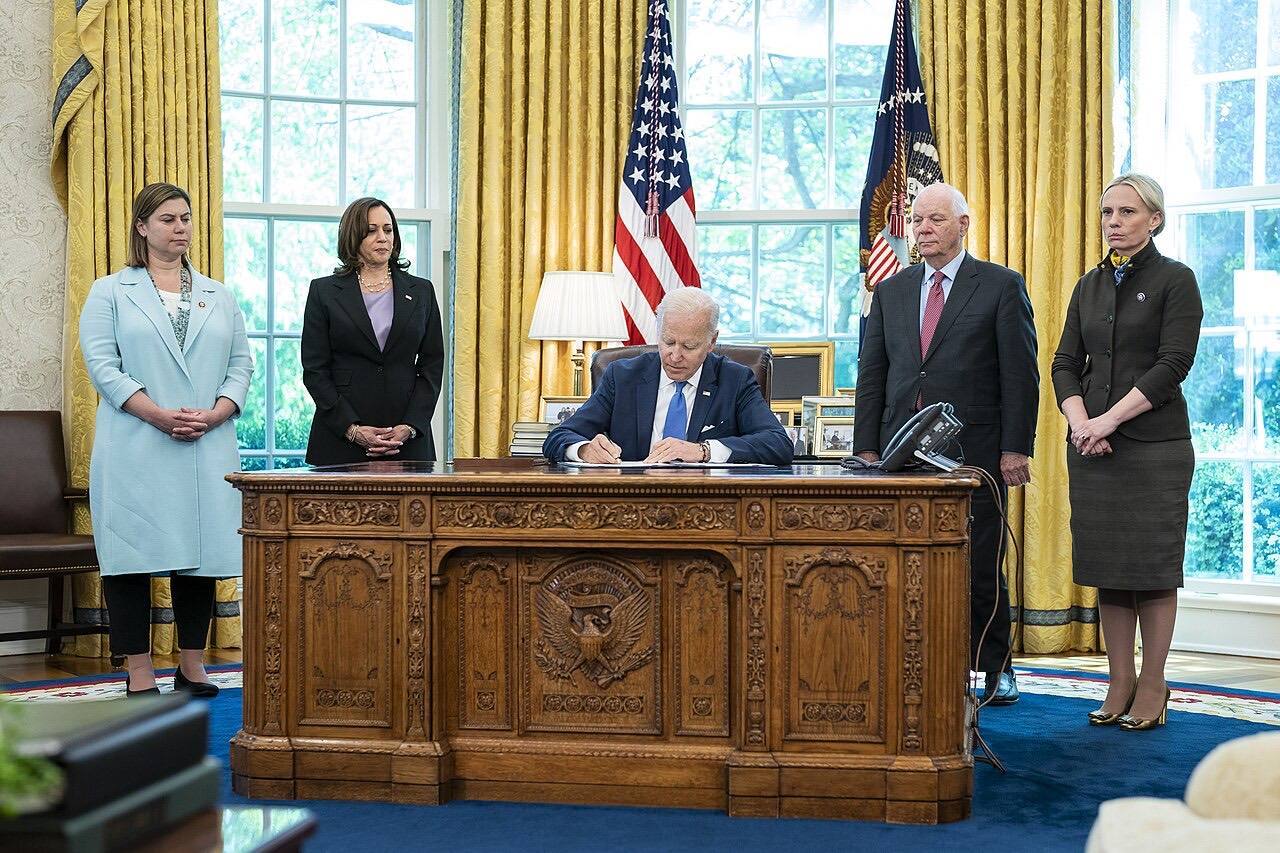
In the wake of the Citizens United decision, we have seen an explosion of dark money in American politics. Both parties have adeptly wielded the tools of campaign finance to their advantage, often forgetting their prior condemnations of the very practices they now adopt. It is a curious phenomenon, one that raises questions about integrity and accountability in our political system.

The Left's Critique
The left has long been vocal about the dangers of unchecked corporate influence in elections. Progressives decry the influx of corporate donations that drown out the voices of everyday citizens. Yet, as we approach the 2026 elections, many Democratic candidates find themselves in a paradoxical position, embracing large donations and super PACs to fund their campaigns. This reliance on big-money donors begs the question: where is the line between pragmatism and hypocrisy?
Take, for instance, the recent fundraising efforts of prominent Democratic candidates who have openly courted wealthy donors, despite previously advocating for comprehensive campaign finance reform. These candidates argue that the high cost of running a competitive campaign necessitates such alliances. However, this justification often rings hollow to voters who feel disillusioned by the political establishment.
"When did the fight for the soul of democracy become a bidding war?"
Moreover, the left’s criticism of dark money has taken on a tone of moral superiority that can be difficult to reconcile with their own funding strategies. This selective memory obscures the fact that Democrats have also benefited from the very system they denounce, further alienating constituents who seek genuine reform.
The Right's Double Standards
On the other side of the aisle, Republicans have historically positioned themselves as champions of free speech, arguing that campaign contributions are a form of protected speech. Yet, they too have conveniently forgotten their principles when it comes to campaign finance. As the GOP has seen the advantages of super PACs and dark money groups, many have shifted their rhetoric to justify these tactics.

Just this past month, a major Republican candidate was found to have accepted substantial donations from a super PAC funded by anonymous donors. While the candidate had previously lambasted the influence of such money in politics, the lure of funding from ultra-wealthy individuals proved too tempting to resist. This pattern of behavior illustrates a troubling trend where principles are sacrificed for electoral gain.
"The integrity of our democracy should not come with a price tag."
Furthermore, the right has often dismissed the concerns surrounding dark money as a “liberal talking point,” failing to recognize that the corrosive effects of money in politics transcend party lines. This unwillingness to confront the issue fully only serves to perpetuate a culture of cynicism and distrust among voters.
The Need for Reform
Both parties must acknowledge their roles in the current campaign finance landscape and work toward meaningful reform. The American public is increasingly aware of the influence of money in politics and is demanding change. Polls consistently show that a significant majority of voters across party lines support measures to reduce the impact of money on elections, such as campaign finance transparency and public financing of campaigns.
As we navigate this election year, it is crucial for candidates to prioritize the voices of their constituents over the allure of big donors. A commitment to genuine reform and accountability could restore faith in our political system and foster a more inclusive democracy.
Moving Forward
In this election cycle, we must demand accountability from both parties. The electorate deserves candidates who are not only willing to challenge the status quo but are also committed to upholding the democratic ideals that our nation was built upon. The time for bipartisan accountability and reform is now; the future of our democracy depends on it.
✦ ✦ ✦