From the file. Written for the paper dated May 2026. Opened in the public stacks July 14, 2026.
In the charged atmosphere of Washington, where every cabinet nomination becomes a battleground for political identity, the phenomenon of selective memory is on full display. Both sides of the aisle have become adept at conveniently forgetting past behaviors and statements to serve their current narratives.
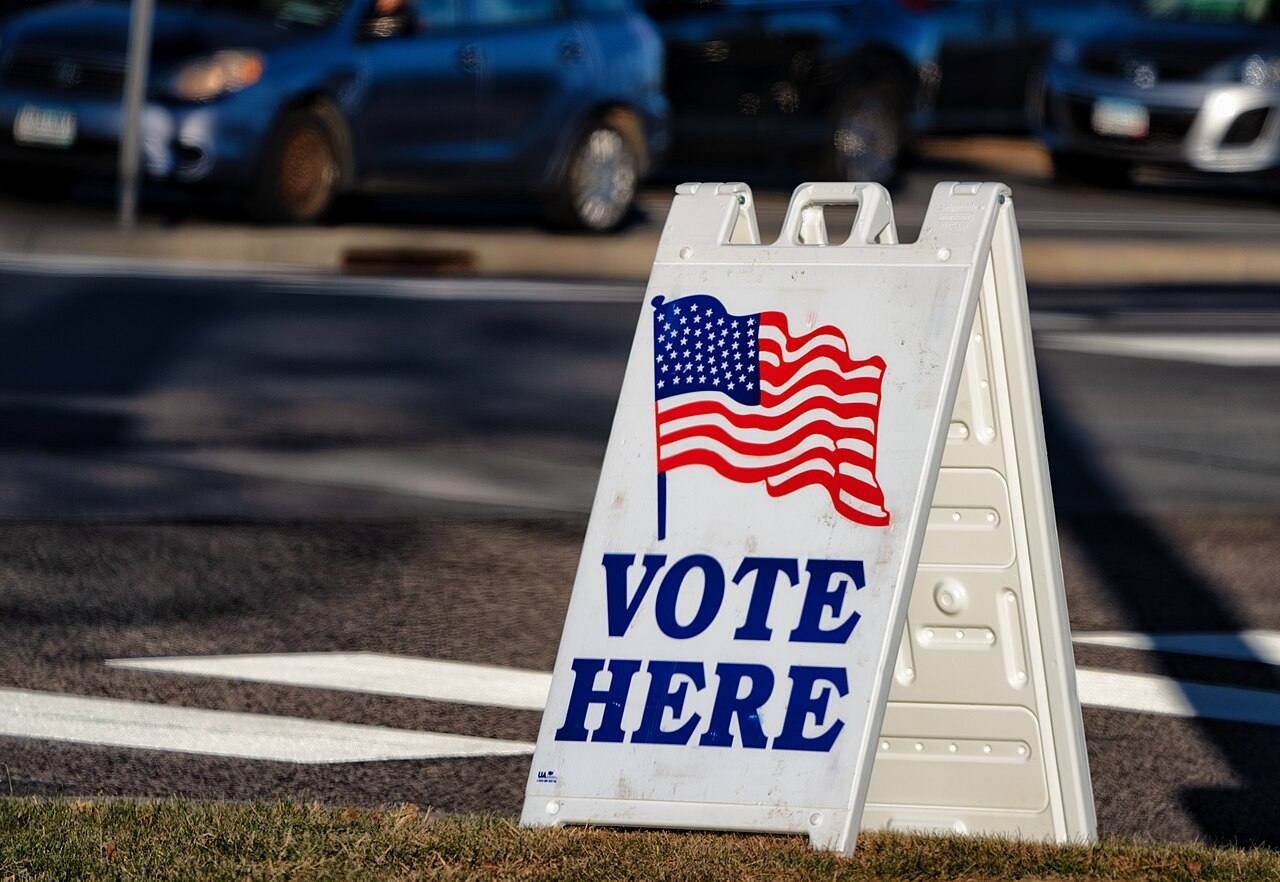
History Revisited: When Partisanship Clouds Judgment
The recent nomination of a controversial figure to a key cabinet position has reignited the age-old debate about qualifications versus political loyalty. Democrats, who once championed the virtues of accountability, now find themselves defending a nominee whose past actions contradict the principles of transparency and integrity they advocate. Conversely, Republicans, who previously decried similar appointments from the other side, have rushed to support an individual that exemplifies the very traits they once condemned.

This pattern of selective memory is not new; it has become a hallmark of our political discourse. Politicians and their supporters often engage in a form of collective amnesia, choosing to remember only what suits their present agenda. The danger lies in the erosion of public trust, as citizens increasingly perceive their leaders as hypocrites unwilling to hold themselves to the same standards they impose on their opponents.

"The real test of a democracy is not just in the ideals we espouse, but in the integrity with which we uphold them."
Political Theater: The Role of Media Narratives
The media, too, contributes to this cycle of selective memory. Coverage often reflects the biases of news outlets and their audiences, amplifying narratives that support one party while downplaying the transgressions of the other. This creates a feedback loop where politicians can rely on media support to shape public perception, regardless of the actual facts involved.
Consider the ongoing discourse around cabinet nominations. When a Democrat proposes an appointee with a questionable past, the chorus of outrage from Republicans is swift and loud. Yet when a similar situation arises with a Republican nominee, the same voices often turn mute, as they scramble to justify their support. This inconsistency not only undermines the credibility of our political leaders but also raises questions about the integrity of the media that cover them.
Consequences for Democracy
The implications of this selective memory extend beyond individual nominations; they strike at the very heart of our democratic system. When accountability is eroded, citizens become disillusioned, leading to lower voter turnout and a disengaged electorate. A democracy thrives on informed citizenry, yet when the truth is obscured by partisan narratives, the electorate is left to navigate a fog of misinformation.

Moreover, this cycle of selective memory fosters an environment where extreme positions take root. As each party becomes more entrenched in its narrative, the middle ground - the space where compromise and cooperation live - dissolves. This not only stifles productive discourse but also prevents us from addressing the real issues facing our nation.
"When the truth becomes a casualty of political expediency, we all lose."
A Call for Accountability
As we grapple with the implications of our political landscape, it is imperative that both parties recognize the importance of accountability. Leaders must be willing to confront their own hypocrisy and hold their colleagues to the same standards they demand of others. Voters, too, must demand transparency and integrity from their representatives, regardless of party affiliation.
The upcoming cabinet confirmation process presents a critical opportunity for both parties to demonstrate their commitment to accountability. Will they rise above the fray of partisan politics and prioritize the interests of the public over their own agendas? Or will they continue the cycle of selective memory that has become all too familiar?
The Way Forward
Ultimately, the future of our democracy hinges on our ability to confront uncomfortable truths and hold ourselves accountable to the ideals we espouse. Selective memory serves no one, and it is time for both parties to move beyond this cycle of hypocrisy. By prioritizing integrity over partisanship, we can begin to restore faith in our political institutions and foster a more engaged and informed electorate.
✦ ✦ ✦