From the file. Written for the paper dated April 2026. Opened in the public stacks July 14, 2026.
As the dust settles from the recent election cycle, the glaring deficiencies in campaign finance reform become increasingly evident. While both sides of the political spectrum tout their commitment to transparency and accountability, the reality reveals a troubling landscape filled with loopholes and excessive influence from undisclosed sources.
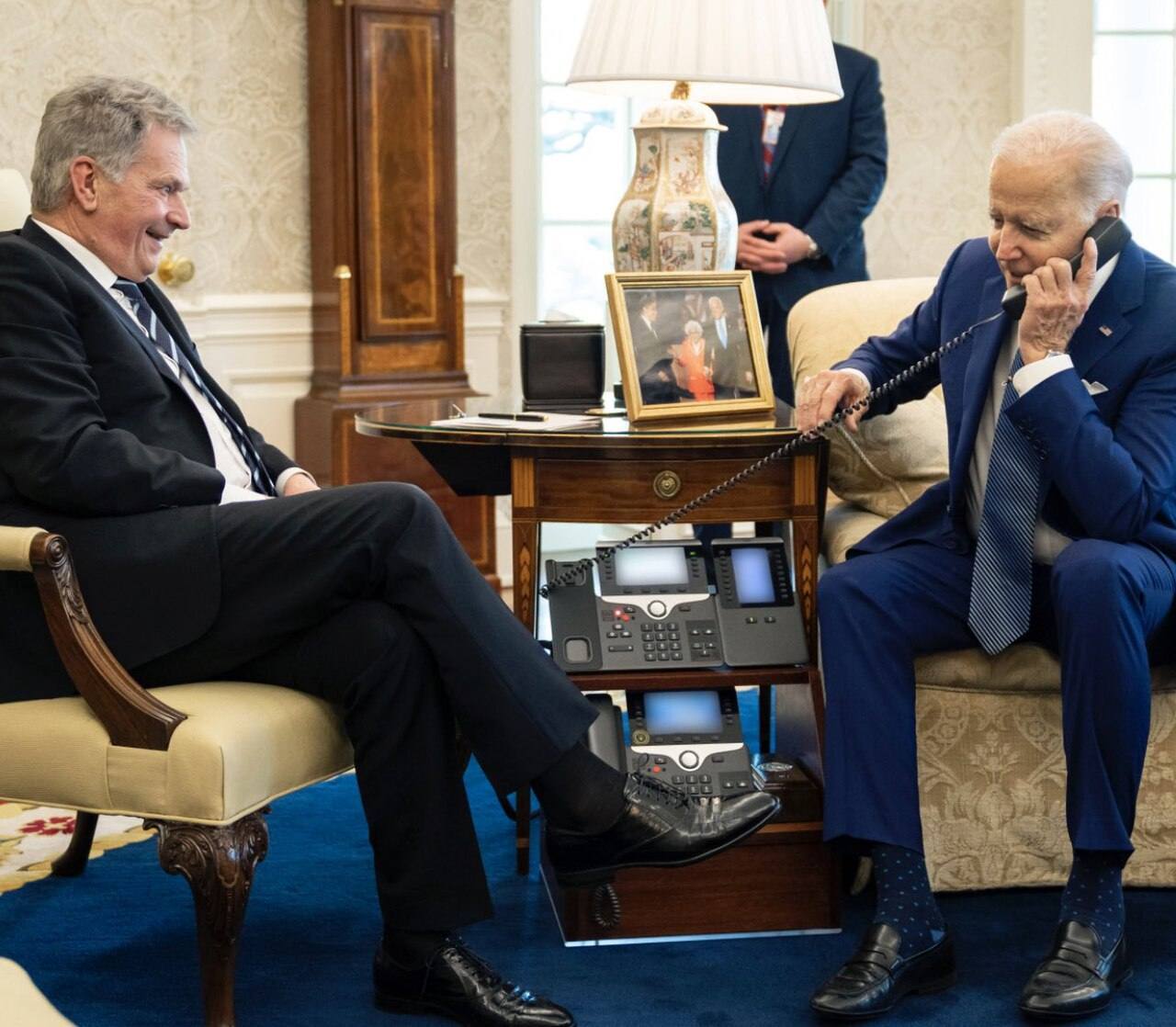
In the aftermath of another contentious election, the conversation surrounding campaign finance often fades from the forefront of public discourse. Yet, this quiet failure of oversight merits our attention, as it underscores the pervasive influence of money in politics. While both major parties make grand promises of reform, the actual mechanisms for regulating campaign contributions remain largely unchanged.
Promises Made, Promises Broken
For years, politicians have campaigned on platforms that advocate for stricter regulations on campaign finance. On the left, advocates have called for comprehensive reforms aimed at limiting the influence of wealthy donors and Super PACs. Meanwhile, the right positions itself as a champion of free speech, often arguing against regulations that they perceive as infringing upon First Amendment rights. The irony is that both sides have, at different times, failed to deliver on their promises.
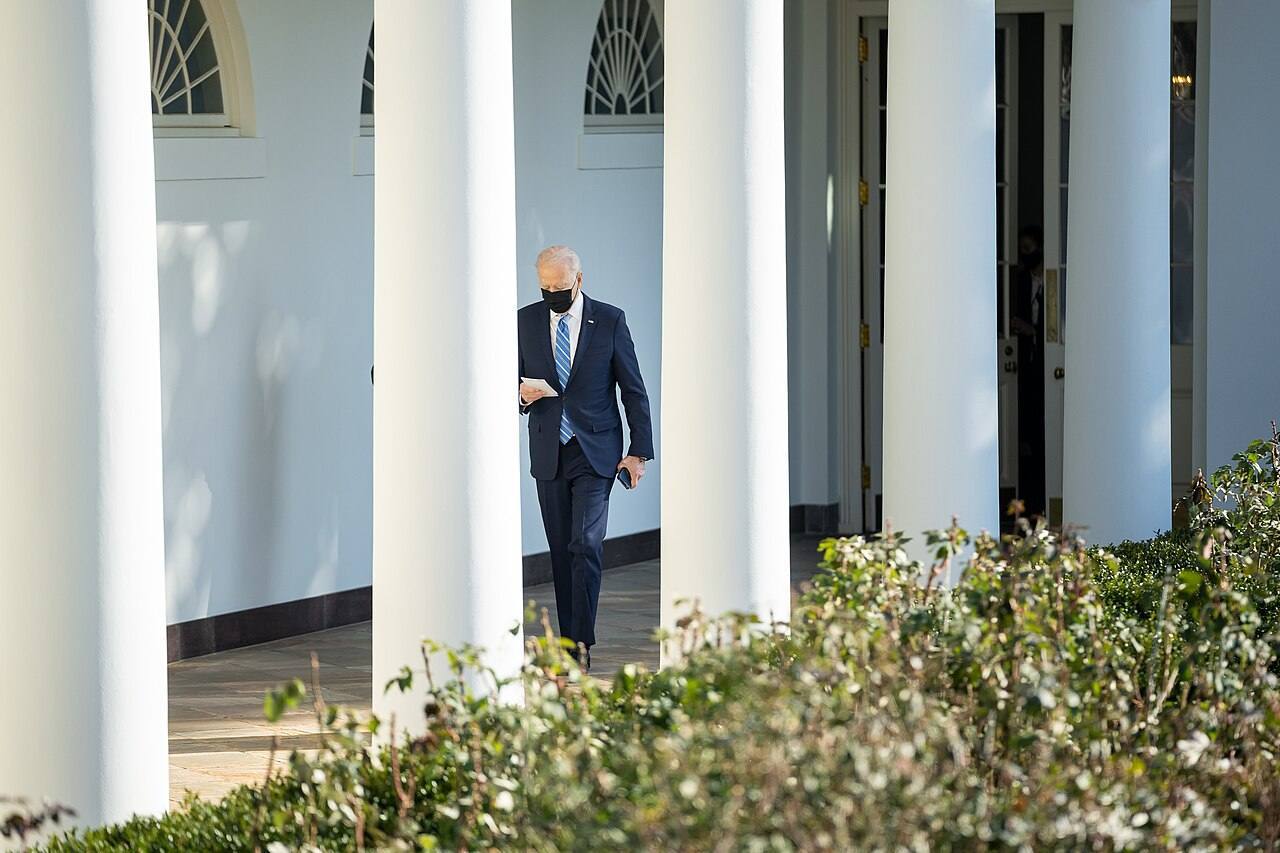
In 2022, the Democrats introduced a sweeping package of reforms aimed at increasing transparency in campaign donations. However, as the 2026 election approached, many of these proposals languished in committee, stymied by partisan bickering and a lack of political will. The Republicans, who have historically resisted any form of campaign finance reform, continued to leverage their favored status among wealthy donors, further complicating the landscape.
"The result is a system that rewards the wealthy, while ordinary voters remain sidelined."
As both parties engage in a game of pointing fingers, the American electorate is left to grapple with the consequences. The result is a system that rewards the wealthy, while ordinary voters remain sidelined. This is not merely a theoretical concern; it translates into real-world impacts on policy and governance. When candidates are beholden to large donors, the interests of everyday citizens are often overlooked.
The Role of Dark Money
One of the most pressing issues in the realm of campaign finance is the rise of dark money - funds that are spent to influence elections but are not disclosed to the public. These contributions flow into the coffers of nonprofit organizations that can operate without revealing their donors, effectively shielding the identities of those who wish to influence the political process. This lack of transparency raises serious questions about accountability and the integrity of our democratic institutions.

Despite growing public concern over dark money's influence in elections, legislative action to curtail its prevalence has been minimal. The Supreme Court's Citizens United decision in 2010 significantly expanded the ability of corporations and unions to spend money on political campaigns, leading to an explosion of spending that has only worsened in the years since. Both parties have failed to take meaningful steps to address this issue, leaving voters in the dark about who is funding their candidates.
A Call for Genuine Reform
As we move further into the 2026 election cycle, it is imperative that voters demand genuine reform from their representatives. This means not only advocating for greater transparency in campaign finance but also holding politicians accountable for their inaction. It is not enough to pay lip service to the idea of reform; concrete steps must be taken to ensure that the voices of average citizens are not drowned out by the influence of money.
In the face of this challenge, grassroots movements across the country are organizing to push for change. Citizens are increasingly aware of the impact that campaign finance has on their lives, and many are calling for policies that prioritize public financing of campaigns and stricter limits on contributions. These efforts signal a growing recognition that the current system is broken and that meaningful change is needed.
Conclusion: The Path Forward
The current state of campaign finance is a sobering reminder of the work that lies ahead. Both the left and right have their shortcomings, and the absence of meaningful reform is a collective failure. It is crucial for voters to recognize the stakes involved in this issue. The future of democracy hinges on our ability to confront the influence of money in politics.
As we reflect on the challenges ahead, let us remember that the fight for a fair and transparent electoral process is far from over. The excesses of both parties must be checked, and the voices of all citizens must be heard. Only then can we hope to restore integrity to our political system and ensure that democracy works for everyone.
✦ ✦ ✦