From the file. Written for the paper dated April 2026. Opened in the public stacks July 14, 2026.
As the cacophony of partisan rhetoric fills the airwaves, a quiet failure of oversight in the ongoing budget standoff reveals the deep fissures in American governance and a troubling disregard for the very agreements that sustain our democracy.
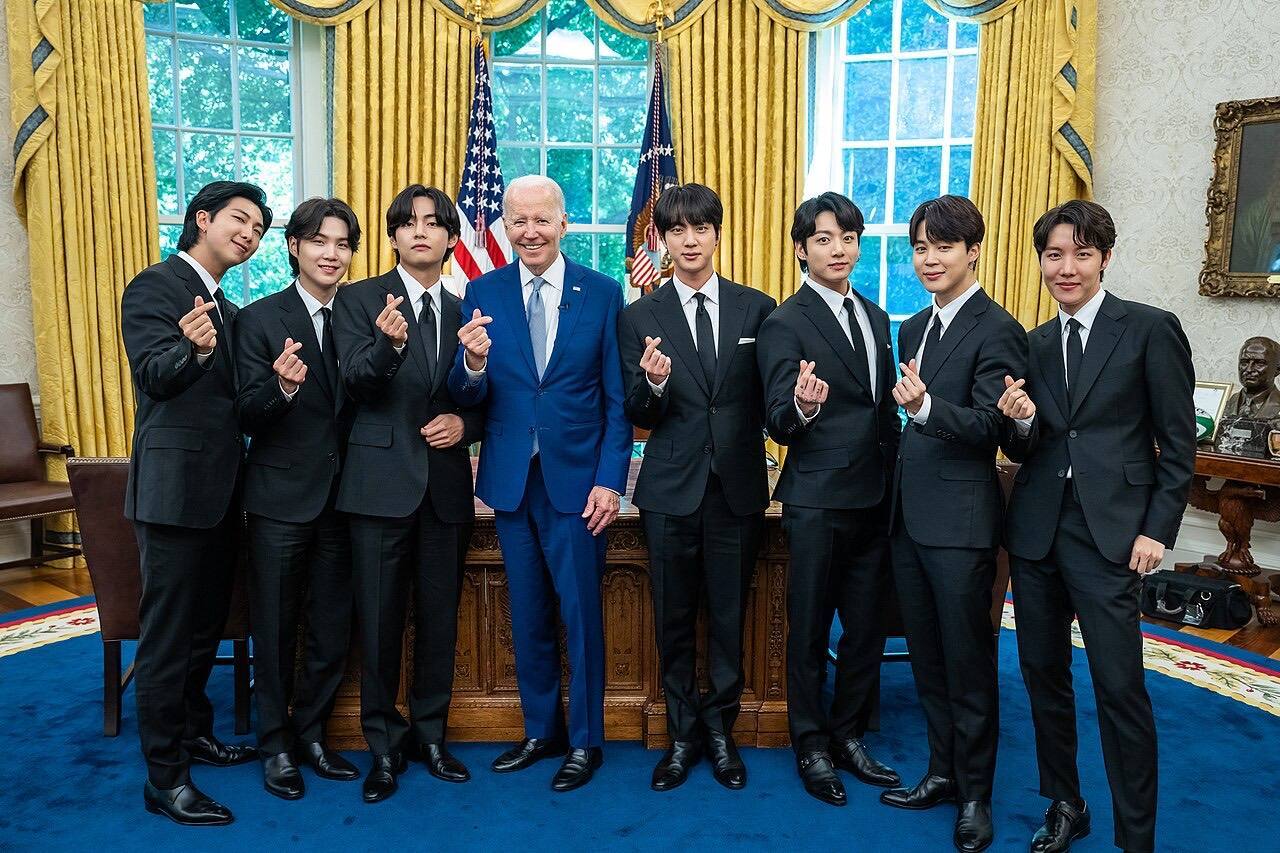
The Budget Standoff: A Political Game of Chicken
In April 2026, the political landscape is awash with accusations and counter-accusations as both sides of the aisle engage in a high-stakes game of chicken over the federal budget. The Democrats, still reeling from a bruising midterm election, are struggling to rally support for their proposed spending increases aimed at social programs. Meanwhile, Republicans, emboldened by their newfound majority, are staunchly opposing any moves that could increase the national debt.
This latest budget standoff is not merely a spectacle for the political theater; it is a critical moment that exposes the weaknesses of our legislative process. Both parties have become increasingly entrenched in their ideologies, often at the expense of pragmatic governance. With each day that passes without a resolution, the consequences for millions of Americans grow more dire.
"In the relentless pursuit of political gain, both parties have lost sight of the people they are meant to serve."
Oversight or Overreach?
At the heart of this budgetary impasse lies a failure of oversight. The continual push for extreme positions has left little room for compromise. Democrats argue that funding essential services such as education, healthcare, and infrastructure is non-negotiable, while Republicans counter that fiscal responsibility should take precedence over social spending. This polarized approach has created an environment where neither side is willing to budge, effectively holding the budget hostage to their ideological whims.
The consequences of this standoff are not abstract. As government services begin to slow and critical programs face cuts, everyday citizens find themselves caught in the crossfire. The lack of an agreed-upon budget threatens vital services like food assistance, housing support, and public education - all of which serve as lifelines for millions of Americans. Yet, as the budget stalemate drags on, the focus remains squarely on political gain, rather than the well-being of constituents.
The Danger of Extremism
Both sides of the aisle are guilty of excess. The Democrats' insistence on sweeping social reforms without addressing the concerns of fiscal conservatives has alienated moderate voices, while the Republicans' unwavering commitment to austerity has stifled necessary investments in public welfare. As a result, the American people are left with a legislative process that resembles a battleground more than a forum for constructive dialogue.
Moreover, the political strategies employed in this standoff often prioritize short-term wins over long-term solutions. Democrats and Republicans alike are more concerned about scoring points against their opponents rather than crafting a budget that reflects the needs of their constituents. This has led to a profound disconnect between elected officials and the realities faced by everyday Americans.
"The priorities of the many have been eclipsed by the ambitions of the few."
Common Ground: An Elusive Goal
As the budget standoff drags on, one has to wonder whether a path to common ground is even possible. The extreme positions taken by both parties have created a toxic atmosphere where compromise is viewed as weakness. Yet, the reality is that the American political system was designed for cooperation, not conflict. The founders envisioned a government that would work collaboratively to solve the pressing issues facing the nation.
Unfortunately, the current landscape resembles anything but that ideal. With both sides digging in their heels, the potential for a compromise appears dim. The question remains: will either party step back and consider the broader implications of their actions? Or will they continue to prioritize their political ambitions over the needs of the American people?
The Future of Governance
As we approach the deadline for passing a budget, it is imperative that both parties reconsider their approaches. A failure to reach an agreement could lead to devastating consequences for millions who depend on government services. The stakes are high, and the time for constructive dialogue is now.
In the end, it is not merely about numbers on a ledger or political points scored; it is about the lives that are affected by these decisions. Our leaders must remember that governance is a responsibility, not a game. The true measure of success lies not in partisan victories, but in the ability to work together for the common good.
✦ ✦ ✦