From the file. Written for the paper dated March 2026. Opened in the public stacks July 14, 2026.
As the debate over the United States' trade deficit continues to escalate, this week has presented a complex tapestry of economic indicators, highlighting the stark contrasts between the left's alarmism and the right's complacency.

The Trade Deficit Landscape
The trade deficit, a term that has become a lightning rod in American political discourse, reflects the difference between what the United States imports and what it exports. Recent figures indicate that the trade deficit has widened, raising alarms among progressive economists who argue that this trend undermines domestic manufacturing jobs and contributes to a growing dependency on foreign goods. On the other hand, many conservative commentators downplay the trade deficit, asserting that a robust economy can thrive despite these numbers.
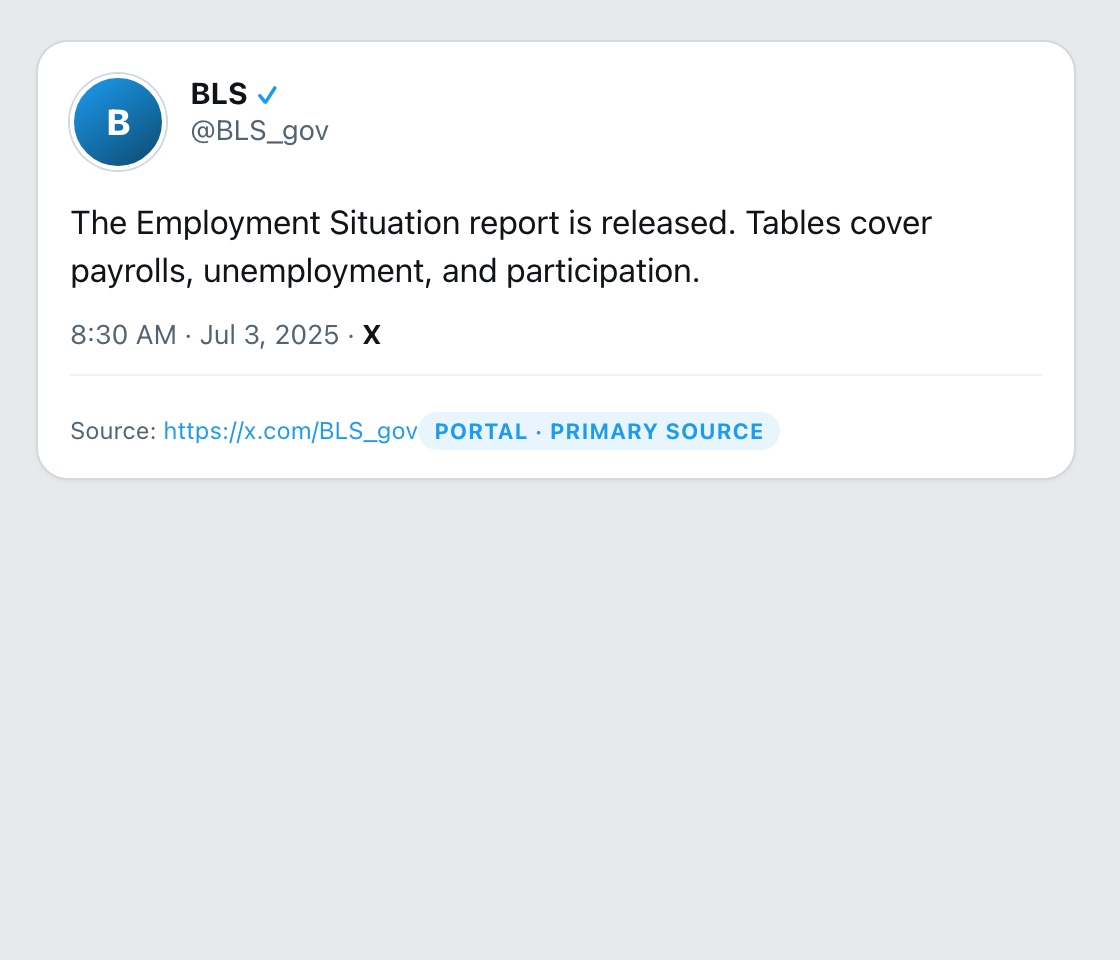
This week, various reports have emerged, showcasing a mixed picture of the American economy. While some sectors are experiencing growth, particularly in technology and services, manufacturing continues to lag. The dichotomy between these sectors fuels the ongoing debate about the trade deficit, with each side using the figures to bolster their arguments.

The Left's Alarmism
Progressives are quick to point out the potential dangers of a rising trade deficit. They argue that it is a symptom of a larger malaise within the American economy, one that prioritizes short-term profits over long-term sustainability. Their calls for increased tariffs and protectionist measures echo the sentiments of the past, where such strategies were often viewed as a double-edged sword.
"A trade deficit is not just a number; it represents lost jobs and weakened industries."
While their concerns are certainly valid, the left's approach can sometimes veer into alarmism, creating an atmosphere of fear rather than constructive dialogue. It is essential to recognize that trade deficits are not inherently detrimental; they can reflect a dynamic economy that is integrating with global markets. Misplaced hysteria may stifle necessary discussions about how to adapt to changing economic landscapes.
The Right's Complacency
Conversely, the right tends to dismiss the trade deficit as a non-issue, often pointing to the resilience of the American economy overall. They argue that American consumers benefit from lower prices on imported goods, and they highlight the strength of the stock market as evidence of economic health. However, this perspective can overlook the deeper implications of a growing trade deficit, particularly for low and middle-income workers.
"We cannot ignore the reality that our manufacturing base is eroding, even if the stock market is booming."
This complacency can be equally harmful, as it fails to address the systemic issues facing American workers. A thriving economy for some does not equate to prosperity for all. The right's tendency to ignore the trade deficit's impact on jobs and industries can lead to policies that exacerbate inequality and overlook the needs of vulnerable populations.
Finding Common Ground
As both sides dig in, it is crucial to seek common ground. A balanced approach to trade policy is necessary - one that recognizes the benefits of global trade while protecting American jobs and industries. This could involve targeted investments in manufacturing, combined with efforts to enhance worker training and education.
Moreover, both sides should engage in constructive dialogue rather than resorting to inflammatory rhetoric. The trade deficit is a multifaceted issue that requires careful consideration, not knee-jerk reactions. Policymakers must focus on strategies that benefit the economy as a whole, rather than catering solely to partisan interests.
The Road Ahead
Looking ahead, it is essential for the American public to engage with these issues critically. The trade deficit will not resolve itself, and as the political climate grows increasingly polarized, there is a pressing need for sober analysis and constructive solutions that transcend party lines. Balancing the interests of consumers, workers, and industries must be the priority, fostering an economy that is both resilient and equitable.
In conclusion, as we navigate the complex terrain of the trade deficit, let us strive for a middle reading that recognizes the merits and pitfalls of both perspectives. Only through cooperation and thoughtful discourse can we hope to address the challenges ahead.
✦ ✦ ✦